


Written by Dr. Matthew Capozzi, DPM, FACFAS, CWS (board-certified foot surgeon and wound specialist) · Medically reviewed by the CircuFiber Scientific Advisory Board · Updated: October 27, 2026
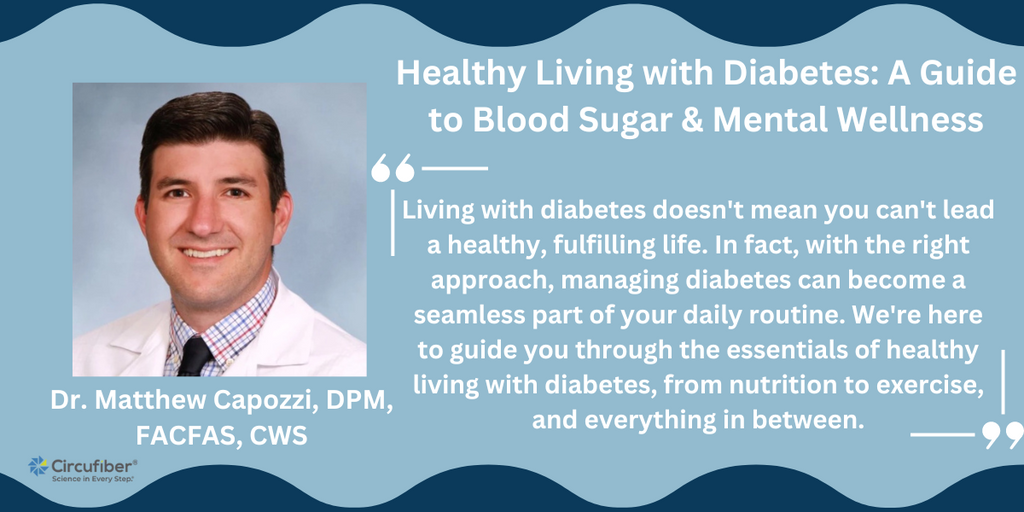
Healthy living with diabetes comes down to five daily habits: keeping blood sugar in your target range, eating balanced meals at consistent times, moving your body regularly, taking medications exactly as prescribed, and looking after your mental health. Living with diabetes doesn't mean you can't lead a healthy, fulfilling life. In fact, with the right approach, managing diabetes can become a seamless part of your daily routine, and the same habits that steady your glucose also lower your risk of nerve, eye, kidney and heart complications.
Key Takeaways
- Know your type. Effective diabetes management involves understanding the different types of diabetes and their specific treatment and management strategies, including the importance of insulin for Type 1 and lifestyle changes for Type 2.
- Blood sugar control comes first. Maintaining stable blood sugar levels is crucial in preventing both short-term and long-term complications of unmanaged diabetes, such as neuropathy, retinopathy, and cardiovascular diseases.
- Diet does the heavy lifting. A balanced diet rich in whole grains, lean proteins, healthy fats, and low-GI foods, along with consistent meal timing, plays a critical role in stabilizing blood glucose levels.
- Movement improves insulin sensitivity. Regular physical activity enhances insulin sensitivity, aids in weight management, improves cardiovascular health, and boosts mental well-being, making it a cornerstone of diabetes management.
- Medications need a system. Understanding medication types, proper timing, and dosage, and being aware of potential side effects, is essential for keeping blood sugar levels within target ranges.
- Mental health is part of the plan. Mental health and the support of a robust support system are integral to the overall management of diabetes, highlighting the connection between emotional well-being and effective diabetes care.
What does healthy living with diabetes involve?
Healthy living with diabetes involves balancing your meals, monitoring your blood sugar, staying active, managing medications and protecting your mental well-being, all as part of one routine rather than as separate chores. Understanding how to balance your meals, monitor your blood sugar, and stay active are key components of diabetes management. But it's not just about the physical aspects; it's also about mental well-being and finding joy in the small things. Navigating life with diabetes begins with a thorough understanding of the condition itself: diabetes, a chronic illness, impacts the body's ability to process sugar effectively. For a step-by-step overview of the fundamentals, see our essential diabetes management guide.
What are the types of diabetes, and how is each one managed?
There are three primary types of diabetes: Type 1, Type 2, and gestational diabetes. Each type affects insulin production and management differently, so the daily routine for healthy living depends on which one you have.
| Type of diabetes | What happens in the body | How it is managed |
|---|---|---|
| Type 1 diabetes | The body's immune system attacks and destroys insulin-producing beta cells in the pancreas. | Individuals with Type 1 diabetes require daily insulin injections to manage their blood sugar levels (see our guide to insulin pens). |
| Type 2 diabetes | This type represents the majority of diabetes cases. The body becomes resistant to insulin or doesn't produce enough insulin. | Lifestyle changes, oral medications, and sometimes insulin are necessary for management. |
| Gestational diabetes | This type occurs during pregnancy when the body cannot make enough insulin, resulting in elevated blood sugar levels. | It generally resolves after giving birth, but it increases the risk of Type 2 diabetes later in life (see gestational diabetes symptoms). |
If you are unsure which category you fall into, read how prediabetes, type 1 and type 2 diabetes differ.
Why is blood sugar management the foundation of living well with diabetes?
Blood sugar management is the foundation of living well with diabetes because controlling glucose levels prevents the short-term and long-term complications associated with the condition. It's not just about avoiding high blood sugar (hyperglycemia); it's equally crucial to prevent low blood sugar (hypoglycemia), ensuring a balanced approach to one's health. Effective diabetes management hinges on maintaining blood sugar levels within a target range, and monitoring these levels allows you to make informed decisions about diet, physical activity, and medication.
How to monitor blood sugar
Monitoring blood sugar is a foundational tool in identifying how well your meal plan, physical activities, medications, and lifestyle choices align with your health goals. Regular checks provide immediate feedback, offering an opportunity to make necessary adjustments promptly. Utilizing glucose meters or continuous glucose monitors (CGMs) provides real-time blood sugar levels, and keeping a log helps in identifying patterns and making necessary adjustments. Learn why checking your blood sugar matters and how to recognize hypoglycemia and fix it quickly.
What happens when blood sugar is poorly managed
Unmanaged diabetes can lead to serious health complications over time, affecting various organs and systems in the body. These conditions not only diminish the quality of life but can also increase mortality risk.
- Neuropathy: High blood sugar levels can damage nerve fibers, leading to diabetic neuropathy, characterized by numbness or pain, particularly in the feet and hands.
- Retinopathy: Damage to the blood vessels in the retina can lead to vision problems and, in severe cases, blindness.
- Nephropathy: Prolonged high blood sugar can cause kidney damage.
- Cardiovascular diseases: Diabetes increases the risk of various cardiovascular problems, including heart attack, stroke, and atherosclerosis.
Effective blood sugar management necessitates a comprehensive approach, combining the expertise of healthcare professionals with your own commitment to monitoring, diet, and physical activity. It empowers you to lead a vibrant, healthy life, minimizing the impact of diabetes on your wellbeing.
What should you eat when living with diabetes?
A diabetes-friendly diet is built on whole grains, lean proteins, healthy fats, fiber-rich foods and low-glycemic-index choices, eaten at regular times and in consistent portions. A balanced approach focuses not only on what you eat but also on how meals are structured throughout the day, which keeps blood sugar levels stable and reduces the risk of both hyperglycemia and hypoglycemia. For a worked example, see how to craft a diabetic diet plan.
Key components of a diabetic diet
Selecting the right foods can profoundly impact your ability to manage diabetes effectively. These are the essential components that should feature prominently in a diabetic meal plan:
- Whole grains: Foods like brown rice, quinoa, and whole wheat offer complex carbohydrates, which digest more slowly, preventing spikes in blood sugar.
- Lean proteins: Sources such as chicken, fish, tofu, and legumes are excellent for maintaining muscle health without affecting glucose levels adversely.
- Healthy fats: Nuts, seeds, avocados, and olive oil contribute to heart health and help in satiety, making it easier to manage portion sizes.
- Fiber-rich foods: Vegetables, fruits, and legumes that are high in fiber aid in the slow release of glucose into the bloodstream, supporting consistent blood sugar levels.
- Low-glycemic index (GI) foods: Emphasizing foods with a low GI rating, such as leafy greens, whole grains, and nuts, ensures that meals have a minimal impact on blood sugar levels.
Planning and timing meals
The timing and composition of meals play a crucial role in diabetes management. Eating at regular intervals allows for more predictable blood sugar levels, avoiding sudden highs or lows. Meals and snacks should be well-timed and consistent in carbohydrate content to avoid spikes in blood sugar, and incorporating a mix of the key dietary components in each meal further enhances blood glucose stability.
Monitoring and adjusting your diet
Monitoring your response to different foods allows for precise adjustments in your diet. Keeping a food diary can be incredibly helpful in tracking how specific foods affect blood sugar levels. Consulting with a registered dietitian or a healthcare provider ensures that your meal plan aligns with your individual health needs and diabetes management goals. Embracing a diet rich in whole, nutrient-dense foods while avoiding processed items with high sugar content is critical.
How does physical activity help you live well with diabetes?
Physical activity helps you live well with diabetes in four ways: it lowers blood sugar by increasing insulin sensitivity, helps manage weight, improves cardiovascular health, and reduces stress. Exercise is a cornerstone for not only managing blood sugar levels but also for improving overall health.
- Lower blood sugar. Physical activity helps lower blood sugar levels by increasing insulin sensitivity. This means the body's cells are better able to use available insulin to take in glucose during and after activity. Read more on how exercise lowers blood sugar.
- Weight management. Exercising consistently can help manage weight, reducing the risk of developing type 2 diabetes complications such as heart disease and stroke. Exercise burns calories, which can help in shedding excess weight or maintaining a healthy weight.
- Heart health. Regular physical activity strengthens the heart and blood vessels, reducing the risk of heart disease and high blood pressure. Since diabetes increases the risk of heart-related issues, keeping the heart as healthy as possible through exercise is of paramount importance.
- Mental health. Living with diabetes can be challenging, and physical activity can act as a natural stress reliever. It stimulates the production of endorphins, the body's natural mood lifters, helping to alleviate stress, enhance mood, and improve overall quality of life.
Engaging in moderate exercise, like brisk walking or cycling, for at least 150 minutes a week is recommended, and incorporating a mix of aerobic exercises, such as walking, swimming, or cycling, with strength training exercises at least a few times a week offers these benefits. Choose activities you enjoy and can stick with long-term, monitor blood sugar before and after exercise to prevent hypoglycemia, and consult your healthcare professional before starting any new exercise regimen. Our guide to building a diabetes exercise plan shows how to put this together.
How do you manage diabetes medications safely?
Managing diabetes medications safely means understanding what each medication does, taking it at the right time and dose, watching for side effects and interactions, and keeping your healthcare team informed. Achieving optimal health with diabetes isn't solely about diet and exercise; it's equally critical to manage medications effectively. Individuals with diabetes often take a combination of medications to manage blood sugar levels and to address other health concerns, and it's crucial to take each medication exactly as prescribed.
Understanding medication types
There are various types of medications used to treat diabetes, each with a specific role. Insulins and oral medications like metformin or sulfonylureas are common, and they work by either increasing insulin sensitivity, stimulating insulin production, or both. Recognizing how each medication works aids in understanding how they influence blood sugar levels and overall health.
Timing and dosage
The timing and dosage of medication are paramount. Taking insulin or other medications at the wrong time can lead to dangerously high or low blood sugar levels. Keeping a schedule and setting reminders can prevent missed doses and ensure medications are taken at the optimal time for the best therapeutic effect.
Side effects and interactions
Some diabetes medications may interact with other prescriptions, over-the-counter drugs, or even dietary supplements, altering their effectiveness or leading to adverse effects. Communication with healthcare providers about all medications being taken, including non-prescription ones, is essential, and monitoring for side effects and reporting them to a healthcare professional ensures prompt adjustment of treatment plans to maintain both efficacy and safety.
Continuous communication with healthcare providers
Maintaining open lines of communication with healthcare professionals is the cornerstone of effective medication management. Regular check-ups and consultations provide opportunities to discuss any concerns about medication regimens, including difficulties with timing, dosage, or side effects. Healthcare providers can offer alternatives or adjustments that better suit individual needs and lifestyles.
How does mental health affect living with diabetes?
Mental health directly affects diabetes management because anxiety, depression and stress are more common in people with diabetes and can make it harder to keep blood sugar consistent. Managing diabetes extends beyond the physical aspects of medication and exercise; it encompasses the emotional and psychological challenges that accompany this lifelong condition. Our article on diabetes and mental health covers this connection in more depth.
The connection between mental health and blood sugar
Conditions such as anxiety and depression are more prevalent among individuals with diabetes, affecting their ability to maintain consistent blood sugar levels. Stress, a common factor in daily life, may also lead to fluctuations in glucose levels, making it harder to manage the condition. Acknowledging these challenges forms the first step towards fostering a positive environment for managing diabetes; practical techniques are covered in our guide to stress management with diabetes.
Building a supportive environment
Creating a support system involves both personal networks and professional assistance. Family and friends play an indispensable role, providing emotional comfort and practical help when needed. Engaging with healthcare professionals and joining diabetes support groups is equally significant: these groups offer an avenue to share experiences, tips, and encouragement with others facing similar challenges, reducing feelings of isolation and providing a sense of community.
Engaging professional mental health services
Sometimes, the complexity of emotions and mental health challenges necessitates seeking professional help. Psychologists or psychiatrists specializing in chronic illness management can offer tailored strategies to cope with the emotional aspects of living with diabetes. They provide tools for managing stress, anxiety, and depression, which, in turn, can lead to better diabetes management outcomes.
The role of technology in support
Digital platforms and mobile apps can connect individuals with diabetes to larger communities, providing immediate access to information and peer support. Telehealth services make consulting healthcare providers more convenient, ensuring consistent medical guidance and mental health support.
Encouraging self-care
Incorporating self-care practices into daily routines is vital. Activities such as meditation, mindfulness, and gentle physical exercises not only improve physical health but also bolster mental resilience. These practices help in managing stress levels, thereby positively affecting blood sugar control.
When should you see a doctor about living with diabetes?
See your doctor or diabetes care team if your blood sugar readings are frequently outside your target range, if you have repeated episodes of low blood sugar, if you notice new numbness, tingling or pain in your feet or hands, changes in your vision, or a wound that is slow to heal, or if you are struggling with persistent low mood, anxiety or diabetes burnout. Regular check-ups, including eye exams and foot exams, are part of healthy living with diabetes even when you feel well, and any change in your medication regimen should be discussed with your healthcare provider rather than made on your own. If you are in crisis, contact your doctor or local emergency services.
Frequently asked questions about living with diabetes
Can you live a long, healthy life with diabetes?
Yes. People who keep their blood sugar within their target range, eat well, stay active, take medications as prescribed and keep up with check-ups can substantially reduce their risk of complications and live full, active lives. The habits described in this article are the same ones the CDC and the American Diabetes Association recommend for living well with diabetes.
How do you live with type 2 diabetes day to day?
Living with type 2 diabetes day to day usually means monitoring blood sugar as your doctor advises, eating balanced meals at consistent times, moving for at least 150 minutes a week, and taking any prescribed oral medication or insulin on schedule. Because type 2 diabetes responds strongly to lifestyle changes, diet and exercise often do much of the work, with medication adjusted by your healthcare team over time.
Is living with type 1 diabetes different from living with type 2?
Yes. People with type 1 diabetes must take insulin every day because their pancreas no longer produces it, so insulin timing, carbohydrate counting and hypoglycemia awareness are central to daily life. People with type 2 diabetes may manage with lifestyle changes and oral medications first, though some eventually need insulin as well. The diet, exercise and mental-health principles apply to both.
What is the hardest part of living with diabetes?
Many people find the mental load the hardest part: constant monitoring, meal planning and medication timing can lead to stress, anxiety or burnout, which in turn makes blood sugar harder to control. Building a support system, using technology such as CGMs and apps, and seeking professional mental-health support when needed are the most effective ways to lighten that load.
How do you live a healthy lifestyle with diabetes without feeling restricted?
Focus on what you add rather than what you remove: whole grains, lean proteins, healthy fats and fiber-rich vegetables, activities you genuinely enjoy, and routines that fit your life. Consistency in meal timing and portion sizes matters more than eliminating entire food groups, and a registered dietitian can help you build a plan that includes foods you love.
References, studies and sources
- Centers for Disease Control and Prevention (CDC). Living Well with Diabetes. https://www.cdc.gov/diabetes/library/features/living-well-with-diabetes.html
- Centers for Disease Control and Prevention (CDC). Diabetes. https://www.cdc.gov/diabetes/
- American Diabetes Association. Living with Diabetes. https://diabetes.org/
- National Institute of Diabetes and Digestive and Kidney Diseases (NIDDK). Diabetes. https://www.niddk.nih.gov/health-information/diabetes
- Mayo Clinic. Diabetes: Symptoms and Causes. https://www.mayoclinic.org/diseases-conditions/diabetes/symptoms-causes/syc-20371444
About the author: Dr. Matthew Capozzi, DPM, FACFAS, CWS, is a board-certified foot surgeon through the American Board of Foot and Ankle Surgery. He is a Diplomate of the American Academy of Wound Management and Fellow of the American College of Foot and Ankle Surgeons. He completed a three-year residency program in Foot and Ankle Reconstructive Surgery at St. Francis Hospital & Medical Center in Hartford, CT in 2010. Dr. Capozzi is a board-certified Wound Specialist® granted by the American Academy of Wound Management.
Healthcare disclaimer: Always consult your physician before beginning any program. This general information is not intended to diagnose any medical condition or to replace your healthcare professional. If you experience any pain or difficulty, stop and consult your healthcare provider. CircuFiber socks are a general wellness product intended to promote a temporary increase in local blood flow and circulation; they are not intended to diagnose, treat, cure, or prevent any disease. Individual results vary.