

Written by Dr. Matthew Capozzi, DPM, FACFAS, CWS (board-certified foot surgeon and wound specialist) · Medically reviewed by the CircuFiber Scientific Advisory Board · Updated: October 27, 2026
Diabetic neuropathy creams can help ease the burning, tingling, and aching of nerve pain in the feet, but they work on the symptom, not the nerve damage underneath. The two most studied over-the-counter ingredients are capsaicin, which gradually dulls pain signals from the skin, and lidocaine, which numbs the area for a short time. Results vary widely from person to person, so a cream is best used as one tool alongside blood sugar control, daily foot care, and the treatment plan your doctor sets for diabetic peripheral neuropathy.

Key Takeaways
- Neuropathy creams relieve symptoms, not the cause. They can take the edge off burning and tingling in the feet, but they do not repair nerves damaged by long-term high blood sugar.
- Capsaicin and lidocaine are the two ingredients with the most support. Capsaicin builds up relief over days to weeks; lidocaine works within minutes but wears off.
- Effectiveness varies by product and by person. What works for one person with diabetic neuropathy may do little for another, so expect some trial and error.
- Use topical creams carefully on diabetic feet. Never apply them to cuts, cracks, blisters, or sores, and check your feet daily because reduced sensation can hide irritation.
- Blood glucose control is the foundation. Keeping blood sugar in your target range is the only measure that can slow the progression of peripheral neuropathy.
- See a doctor if pain is getting worse, keeps you awake, or comes with numbness, color changes, or a wound that is not healing.
Do diabetic neuropathy creams really work?
Yes, they can, but the effectiveness varies widely by product and individual needs. We've likely spent some amount of time frequenting the pharmacy aisles, weighing the options for lotions and creams, and wondering which products are worth our time and money. In a nutshell, evidence suggests that if used regularly and as directed, neuropathy creams could provide an additional tool in your arsenal against diabetic neuropathy symptoms. They are not a replacement for managing the diabetes itself, and they do not prevent or reverse nerve damage.
It helps to think of a neuropathy cream the way you would think of an ice pack for a sore knee: it changes how the area feels for a while, without changing what is going on underneath. For people whose main complaint is burning or stinging pain on the skin of the feet, that temporary relief can be meaningful. For numbness, weakness, or loss of balance, a cream will not help, and those symptoms need a different approach covered in our guide to diabetic neuropathy treatment options.
What is diabetic neuropathy and why does it hurt?
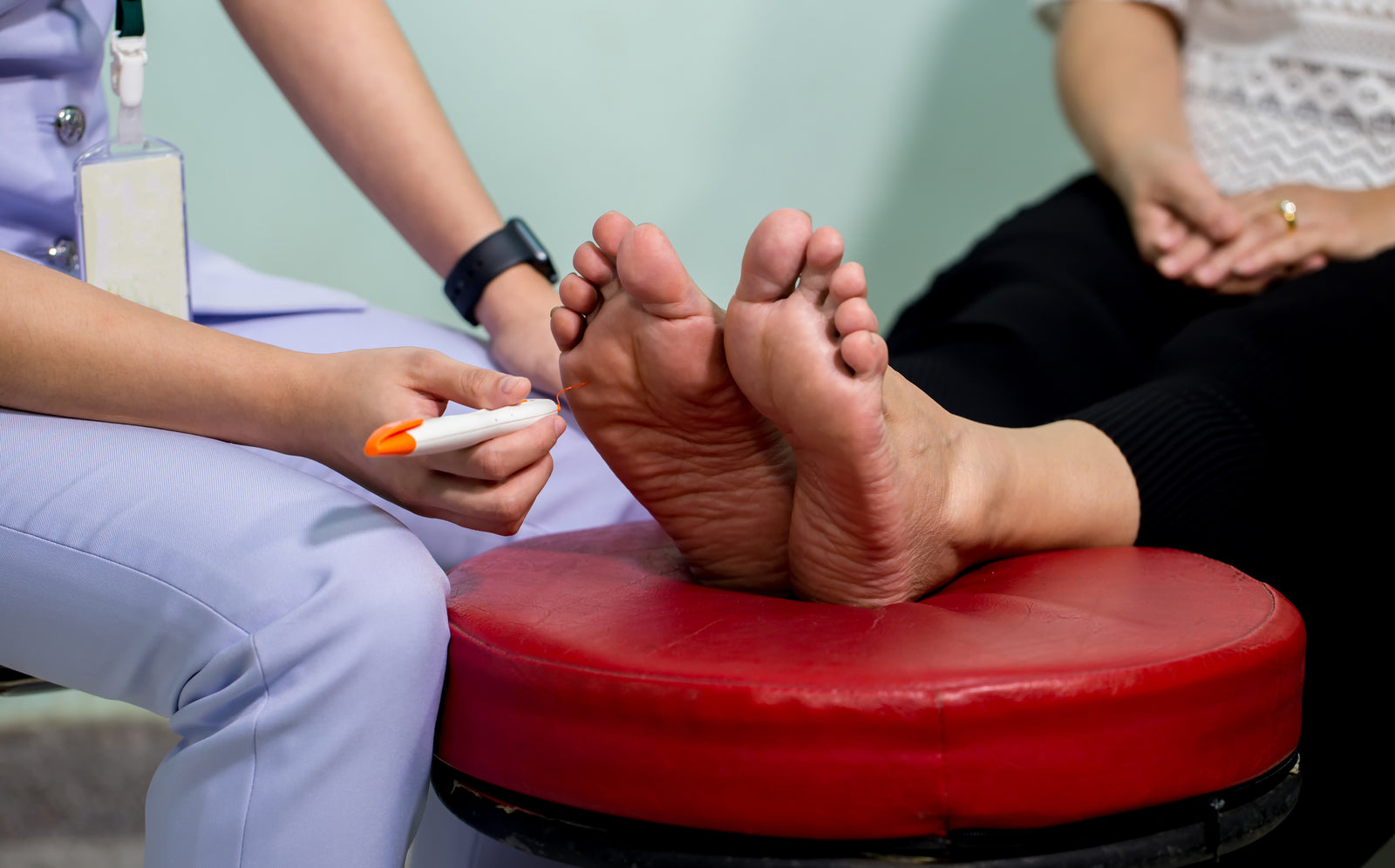
Diabetic neuropathy is a type of nerve damage that can occur if you have diabetes, caused by high blood sugar (glucose) injuring nerves throughout your body over time. Diabetic neuropathy most often damages nerves in your legs and feet, which is why the first symptoms are usually burning, tingling, or numbness in the toes and soles. We must first understand what diabetic neuropathy is before we can discuss the advantages of creams targeted at this condition.
However, diabetic neuropathy is not a singular condition. Instead, it's a group of conditions resulting from nerve damage. Depending on the affected nerves, symptoms can range from pain and numbness in your extremities to problems with your digestive system, urinary tract, blood vessels, and heart. It's worth noting that many people with diabetes have some form of neuropathy, though not all will experience symptoms.
Which risk factors make diabetic neuropathy more likely?
When it comes to risk factors, many variables can contribute to nerve damage in those with diabetes. Here are some key points that can lead to diabetic neuropathy:
- The length of time you have diabetes
- Poor blood sugar control (see why checking your blood sugar matters)
- Being overweight
- High blood pressure
- Kidney diseases
- Smoking
Why blood glucose control comes before any cream
When we talk about managing diabetic neuropathy, the goal is to manage the diabetes itself and the related complications. A crucial component of diabetic neuropathy's management is blood glucose control. Maintaining tight blood glucose control can prevent or slow the progression of peripheral neuropathy. Moreover, foot care is significant for those with peripheral neuropathy, because diabetes is also linked to nerve damage in the feet and legs, leading to a condition called diabetic foot. Here, small injuries can lead to irreversible damage, sometimes even leading to amputation. A cream can make the feet more comfortable, but daily inspection and good diabetic foot care are what protect them.
How do neuropathy creams ease nerve pain in the feet?
Neuropathy creams work at the skin surface, either by gradually desensitizing the nerve endings that send pain signals or by numbing them directly for a short time. The two ingredients you will see most often are capsaicin and lidocaine, and they work in different ways.
Capsaicin cream
Creams designed for neuropathy often contain capsaicin, a chili pepper extract. This spicy ingredient interrupts pain signals from your nerves to your brain, effectively dulling the feeling of neuropathy. Capsaicin works by desensitizing your skin's sensory receptors over repeated applications, so relief typically builds over days to weeks rather than appearing on the first use. Expect a warming or stinging sensation at first; wash your hands after applying it and keep it away from your eyes and any broken skin.
Lidocaine cream
Next up, we've got creams enriched with lidocaine. This local anesthetic dulls your pain receptors, providing temporary but fast relief, usually within minutes, that wears off after a few hours. It's a hit-or-miss thing, of course; what works for one person might not work for another. Still, it is reasonable to try when used as directed on intact skin. Do not apply it to open cuts or sores, and do not exceed the amount on the label, because lidocaine is absorbed through the skin.
What the two ingredients offer at a glance
| Key Benefit | Exclusive Feature |
|---|---|
| Pain Interruption | Capsaicin’s ability to block pain signals |
| Instant Relief | Lidocaine that works as a topical local anesthetic |
| Availability | Easy to find and purchase on the Internet or stores |
However, do remember that no one-size-fits-all solution exists when dealing with neuropathy. Trying a different option, with your doctor's input, is often how people find the one that fits.
How do you choose the best cream for neuropathy in feet?
The best neuropathy cream for feet is the one with a proven active ingredient, a clear label, and a formula your skin tolerates. The key aspects to focus on when choosing the right cream include effectiveness, ingredients, application, and user experience. Amidst so many options, we recommend following this checklist:
- Choose a product with a proper over-the-counter Drug Facts label that lists the active ingredient and its strength, from a reputable manufacturer.
- Look for key ingredients like capsaicin or lidocaine, the two with the most evidence behind them.
- Read customer reviews, but weigh them against the ingredient list rather than marketing claims.
- Consider your personal tolerance level for possible side effects, such as skin irritation, redness, or burning.
Effectiveness tops the list. If your cream doesn't deliver relief after using it as directed for the time the label suggests, then it's not the right choice for you. Equally important is the product's ingredients. Everyone reacts differently, and what works wonders for one might not for another. Applying the cream should be easy and mess-free, so products that absorb quickly and don't leave a greasy residue are easier to use every day. Finally, dig into user experiences: product reviews provide real-life insights into the effectiveness and convenience of different creams.
If dry, cracked skin is also part of the problem, a dedicated moisturizer may matter as much as a pain cream. See our guides to recommended diabetic foot creams and the best lotions for diabetic feet.
Which neuropathy creams are commonly used for diabetic foot pain?
Several over-the-counter creams are widely used by people with diabetic neuropathy, and the three below are the ones our readers ask about most. These picks are based on their active ingredients and on customer reports; none of them has been shown to repair nerve damage, and your own results may differ.
The Capzasin-HP Cream is an over-the-counter option with many positive reviews for its performance. This product harnesses capsaicin, a substance found in chili peppers known for its pain-relieving properties. Capsaicin works by desensitizing your skin's sensory receptors, numbing the painful sensations over repeated use.
Higher on the price scale, Topricin Foot Pain Relief Cream stands out with its combination of homeopathic ingredients. Customers praise it for its non-greasy formula, and some report quick action for foot pain, although the evidence for homeopathic preparations is limited.
Another option in the market is Neuropathy Nerve Therapy & Relief Cream by Neuro One. It's marketed to soothe irritated nerve endings, and customers report relief that builds over a few weeks of regular use.
Here are the mentioned creams in a more digestible format:
| Product Name | Beneficial Properties |
|---|---|
| Capzasin-HP Cream | Desensitizes skin receptors |
| Topricin Foot Pain Relief Cream | Non-greasy, fast action |
| Neuropathy Nerve Therapy & Relief Cream | Soothes inflamed nerve endings |
Here's one more thing: the application directions on the label need to be followed strictly to get the most benefit and to avoid irritation. It's always wise to schedule an appointment with your healthcare provider to discuss whether these creams are suitable for your condition, especially if you have any open skin, poor circulation, or a history of foot ulcers. These creams are available online and in local drugstores.
How should you use a neuropathy cream safely if you have diabetes?
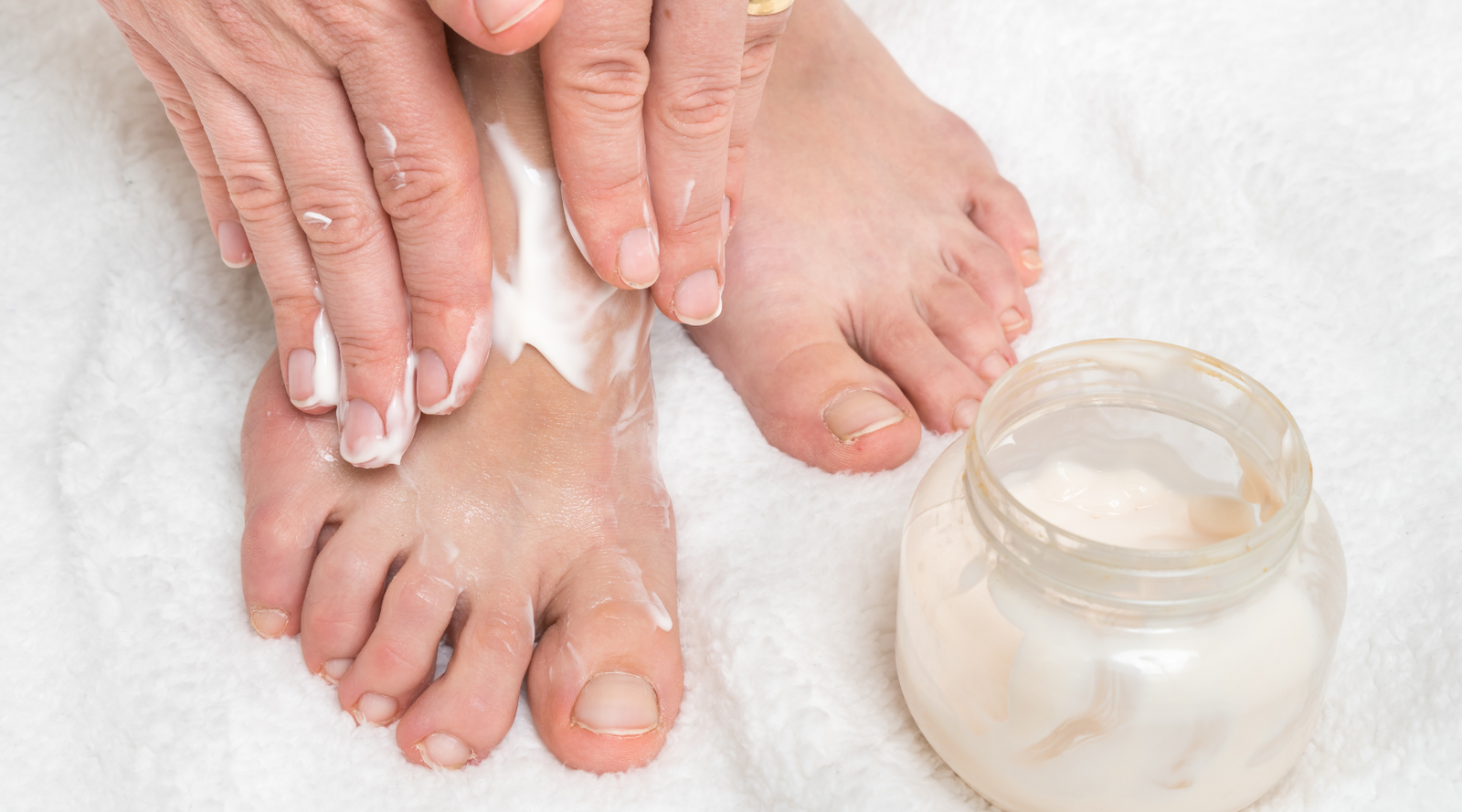
Use a neuropathy cream only on clean, dry, unbroken skin, in the amount the label directs, and check your feet before and after each application. Reduced sensation means you may not feel the burning or irritation a cream can cause, so the usual rules of diabetic foot care apply even more:
- Inspect your feet daily for redness, cracks, blisters, or sores before applying anything.
- Never apply capsaicin or lidocaine to broken skin, an ulcer, or between the toes.
- Wash your hands after applying capsaicin and keep it away from your eyes.
- Do not wrap, bandage, or apply a heating pad over the treated area; heat increases absorption and can burn skin you cannot feel.
- Stop and call your doctor if the skin becomes red, swollen, or blistered.
For other everyday measures that pair well with a cream, see our diabetic neuropathy self-care guide and our overview of natural home remedies for neuropathy.
Can diabetic socks help with neuropathy foot pain?
Diabetic socks are a sensible companion to a neuropathy cream, because they address two things a cream cannot: keeping feet warm and protecting skin that has reduced sensation. A good diabetic sock has a non-binding top that does not squeeze the calf, a seamless toe so there is nothing to rub against numb skin, and a moisture-wicking fabric that keeps feet dry and comfortable through the day.
CircuFiber diabetic socks go a step further. The fabric is woven with Circulight® IR fibers containing thermoreactive mineral particles that absorb your own body heat and reflect it back into the foot as far-infrared energy, which promotes a temporary increase in local blood flow and circulation. In a randomized, double-blinded, placebo-controlled trial at Yale School of Medicine (ClinicalTrials.gov NCT04460612, published in Diabetes & Vascular Disease Research, 2023), the active textile significantly increased transcutaneous oxygen in the feet of people with diabetes compared with a placebo sock, with the difference visible at 40 minutes and significant at 60 minutes. CircuFiber socks also carry the APMA Seal of Acceptance.
In practice, let a cream absorb fully before putting socks on, and treat both as part of a daily foot-care routine rather than a substitute for medical treatment.
When should you see a doctor about neuropathy foot pain?
See a doctor or podiatrist if nerve pain in your feet is new, getting worse, keeping you awake, or not improving after a few weeks of using an over-the-counter cream as directed. Also get seen promptly if pain comes with growing numbness, weakness, changes in skin color or temperature, or any cut, blister, or sore that is not healing, since these can signal numb feet from diabetes progressing toward a foot ulcer. Your doctor can confirm the diagnosis with a diabetic foot exam, review your blood sugar control, and discuss prescription options when topical creams are not enough. If you are not sure which specialist to call, read who treats diabetic neuropathy.
Frequently asked questions about diabetic neuropathy creams
What is the best cream for neuropathy in feet?
There is no single best cream, but products with capsaicin or lidocaine as the active ingredient have the most evidence for easing nerve pain on the skin of the feet. Capsaicin suits people who can tolerate an initial warming sensation and want relief that builds over time; lidocaine suits people who want fast, short-term numbing. Try one as directed for the period on the label before switching.
Does capsaicin cream help diabetic neuropathy?
Some studies suggest capsaicin cream can reduce burning pain from peripheral neuropathy when applied regularly, because repeated use desensitizes the pain-signaling nerve endings in the skin. It does not repair the nerves. Many people feel stinging at first, which usually fades with continued use; stop if the skin becomes irritated and talk to your doctor.
Is lidocaine cream good for neuropathy pain?
Lidocaine cream can numb painful areas of the foot within minutes and is a reasonable short-term option for flares. Relief lasts a few hours, so it is less useful for round-the-clock pain. Use only the amount on the label, keep it off broken skin, and ask your doctor before combining it with any prescription lidocaine product.
Does magnesium cream or CBD cream help neuropathy?
Magnesium and CBD creams are popular, but there is little high-quality evidence that either improves diabetic neuropathy pain. Some people report they feel soothing, which may be partly the moisturizing and massage effect. If you want to try one, treat it as a comfort measure rather than a treatment, check the ingredient list, and talk to your doctor first.
Is there a prescription cream for neuropathy in feet?
Yes. When over-the-counter creams are not enough, a doctor may prescribe a higher-strength lidocaine product or a compounded topical that combines several pain-relieving ingredients, alongside oral medications for nerve pain. Which option fits depends on your symptoms, kidney function, and other medications, so this is a conversation for your healthcare provider.
Can a neuropathy cream reverse nerve damage?
No. Topical creams only change how pain signals are felt at the skin; they do not restore damaged nerves. Keeping blood sugar in your target range is the measure most likely to slow progression. Read more on whether diabetic neuropathy can be reversed.
References, studies and sources
- American Diabetes Association. Foot Complications. https://diabetes.org/about-diabetes/complications/foot-complications
- National Institute of Diabetes and Digestive and Kidney Diseases (NIDDK). Peripheral Neuropathy. https://www.niddk.nih.gov/health-information/diabetes/overview/preventing-problems/nerve-damage-diabetic-neuropathies/peripheral-neuropathy
- Mayo Clinic. Diabetic neuropathy: Symptoms and causes. https://www.mayoclinic.org/diseases-conditions/diabetic-neuropathy/symptoms-causes/syc-20371580
- Cleveland Clinic. Diabetic Feet. https://my.clevelandclinic.org/health/diseases/21510-diabetic-feet
- Yale School of Medicine. Randomized, double-blinded, placebo-controlled trial of an infrared textile on transcutaneous oxygen in people with diabetes. ClinicalTrials.gov NCT04460612. https://clinicaltrials.gov/study/NCT04460612
About the author: Dr. Matthew Capozzi, DPM, FACFAS, CWS, is a board-certified foot surgeon through the American Board of Foot and Ankle Surgery. He is a Diplomate of the American Academy of Wound Management and Fellow of the American College of Foot and Ankle Surgeons. He completed a three-year residency program in Foot and Ankle Reconstructive Surgery at St. Francis Hospital & Medical Center in Hartford, CT in 2010. Dr. Capozzi is a board-certified Wound Specialist® granted by the American Academy of Wound Management.
Healthcare disclaimer: Always consult your physician before beginning any program. This general information is not intended to diagnose any medical condition or to replace your healthcare professional. If you experience any pain or difficulty, stop and consult your healthcare provider. CircuFiber socks are a general wellness product intended to promote a temporary increase in local blood flow and circulation; they are not intended to diagnose, treat, cure, or prevent any disease. Individual results vary.