

Written by Dr. Matthew Capozzi, DPM, FACFAS, CWS (board-certified foot surgeon and wound specialist) · Medically reviewed by the CircuFiber Scientific Advisory Board · Updated: October 27, 2026
Diabetes is diagnosed with a blood test, and there are four of them: the A1C test, the fasting blood sugar test, the random blood sugar test, and the oral glucose tolerance test. Each one measures glucose in a different way, and a result in the diabetes range usually has to be confirmed on a second test before a diagnosis is made. Home glucose meters and continuous glucose monitors are for tracking blood sugar once you have been diagnosed; they are not used to diagnose diabetes.

Key Takeaways
- Four blood tests diagnose diabetes: the A1C test (average blood sugar over about three months), the fasting blood sugar test, the random blood sugar test, and the oral glucose tolerance test.
- The numbers that matter: a fasting blood sugar of 70–99 mg/dL is normal, 100–125 mg/dL is prediabetes, and 126 mg/dL or higher on two separate tests is diabetes. An A1C below 5.7% is normal, 5.7–6.4% is prediabetes, and 6.5% or higher is diabetes.
- Preparation affects results. The fasting and glucose tolerance tests require an 8–10 hour fast with water only; the A1C and random tests do not.
- Who should be tested: the American Diabetes Association recommends screening adults aged 45 and older every three years, earlier and more often for people who are overweight or have other risk factors, and all pregnant women at 24–28 weeks.
- Home testing is for monitoring, not diagnosis. Glucose meters and continuous glucose monitors (CGMs) help you manage diabetes day to day, but a laboratory blood test is needed to diagnose it.
How is diabetes diagnosed?
Diabetes is diagnosed by measuring the amount of glucose in your blood with a laboratory blood test. Diabetes tests play a vital role in diagnosing and managing diabetes by detecting abnormal blood sugar levels. But did you know that there are different types of diabetes tests? Each has its own unique purpose and procedure in helping you stay on top of your diabetes management:
- A1C test
- Fasting blood sugar test
- Random blood sugar test
- Glucose tolerance test
Because blood sugar varies from day to day, a result in the diabetes range is normally confirmed with a repeat test on a different day, unless you have clear symptoms and a very high reading. If you are wondering whether your symptoms warrant testing, read our guide to the early signs and symptoms of diabetes.
What are the four types of diabetes test?
The four diabetes tests are the A1C test, the fasting blood sugar test, the random blood sugar test, and the oral glucose tolerance test. They differ in whether you need to fast, what period of time they reflect, and which forms of diabetes they can detect.
A1C test
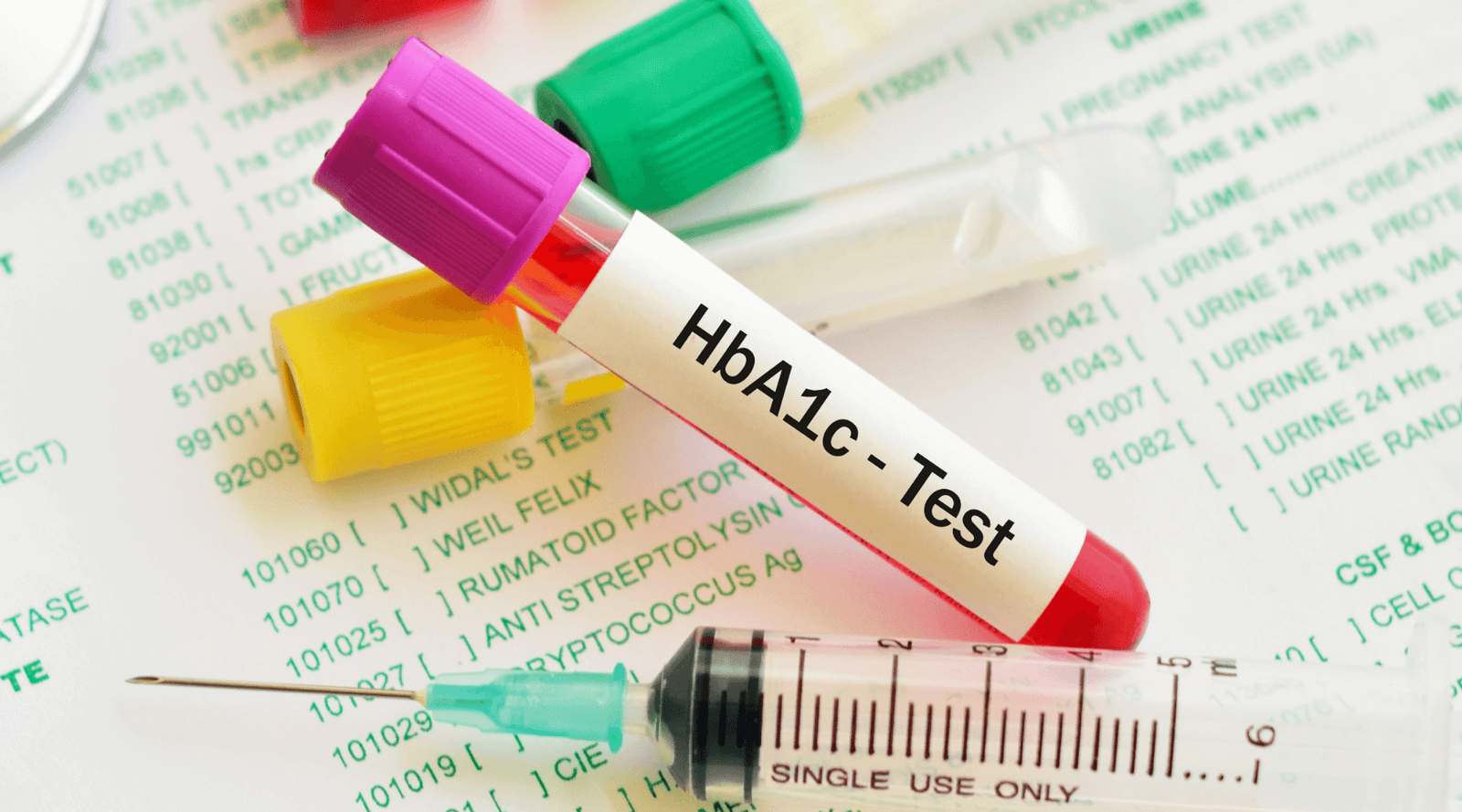
The A1C test, also known as the hemoglobin A1C, HbA1C, glycated hemoglobin, or glycosylated hemoglobin test, is a laboratory test that provides an estimate of a person's average blood sugar levels over the last three months. This test is crucial in determining how well you're managing your diabetes and helps your healthcare provider make necessary adjustments to your treatment plan.
A typical A1C test result is below 5.7%. A result of 5.7% to 6.4% indicates prediabetes, and 6.5% or higher indicates diabetes. By measuring your average blood sugar levels over an extended period, the A1C test can help identify trends and fluctuations in your blood sugar control. This valuable information can assist you and your healthcare provider in making informed decisions about your diabetes management. The A1C test does not require fasting.
Fasting blood sugar test
The fasting blood sugar test, also known as the fasting blood glucose test, is another essential diabetes test, requiring you to fast for 8-10 hours before the test. The normal range for fasting blood sugar levels is 70-99 mg/dL, prediabetes is indicated by a range of 100-125 mg/dL, and diabetes is indicated by a fasting blood sugar level of 126 mg/dL and above.
It's important to note that other medical conditions may be associated with elevated or decreased blood glucose levels. Therefore, fasting blood sugar tests are crucial in identifying potential health issues and ensuring timely intervention.
Random blood sugar test
Random blood sugar test is used to determine the level of sugar in the blood at the time of testing. It does not require fasting beforehand. This test can only detect diabetes, not prediabetes, and is typically utilized to diagnose diabetes when symptoms are present but fasting for 8 hours isn't feasible. A random result of 200 mg/dL or higher, together with symptoms of diabetes, indicates diabetes.
A random blood sugar test can be conducted at a diagnostic center, or your doctor may check a reading in the office. This convenient test allows for quick results and can provide valuable insights into your blood sugar levels throughout the day.
Oral glucose tolerance test
The glucose tolerance test is a diagnostic procedure assessing the body's response to sugar or glucose. This test serves as a screening tool for type 2 diabetes and gestational diabetes. After fasting, you drink a measured glucose solution and your blood sugar is checked two hours later: below 140 mg/dL is normal, 140-199 mg/dL is prediabetes, and 200 mg/dL or higher is diabetes. The American Diabetes Association recommends that adults aged 45 years and older receive type 2 diabetes screenings every three years, with earlier and more frequent screenings for those considered overweight or obese.
Pregnant women are advised to be tested for gestational diabetes between 24 and 28 weeks of pregnancy using the glucose challenge test, which involves consuming a sweet liquid containing glucose and measuring blood glucose levels one hour after consumption. This test helps ensure the wellbeing of both mother and baby during pregnancy. Learn more about gestational diabetes symptoms.
What do diabetes test results and blood sugar levels mean?
Diabetes test results fall into three ranges, normal, prediabetes, and diabetes, and the cutoffs depend on which test was used. Interpreting your blood sugar levels is crucial in managing diabetes and maintaining overall health. The table below summarizes the standard diagnostic ranges used by the American Diabetes Association and the CDC.
| Test | Normal | Prediabetes | Diabetes |
|---|---|---|---|
| A1C | Below 5.7% | 5.7% to 6.4% | 6.5% or higher |
| Fasting blood sugar | 70 to 99 mg/dL | 100 to 125 mg/dL | 126 mg/dL or higher |
| Oral glucose tolerance (2 hours) | Below 140 mg/dL | 140 to 199 mg/dL | 200 mg/dL or higher |
| Random blood sugar | Not used for diagnosis | Not used for diagnosis | 200 mg/dL or higher with symptoms |
Normal blood sugar levels
A normal fasting blood glucose level is 70-99 mg/dL (3.9 to 5.5 mmol/L). However, it's essential to understand that normal blood sugar levels may vary depending on the individual, and there are generally accepted ranges considered to be within the normal range. Individuals who are thin and younger often have a lower normal fasting blood sugar level; for instance, this can be as low as 70 mg/dL (3.9 mmol/L). It's essential to discuss your blood sugar levels with your healthcare provider to determine what's considered normal for you.
High blood sugar levels
High blood sugar levels can indicate prediabetes or diabetes. A fasting blood glucose level of 126 mg/dL (7.0 mmol/L) or higher indicates diabetes. This is indicated by the results of more than one testing occasion. A blood sugar level of 200 mg/dL (11.1 mmol/L) or higher on a random or two-hour glucose tolerance test is also in the diabetes range.
Various factors, such as diet, lifestyle, and genetics, may contribute to elevated blood sugar levels. If you have prediabetes, it's important to make lifestyle changes to reduce the risk of developing type 2 diabetes. Consult your healthcare provider if you experience concerning symptoms or abnormal blood sugar levels, and read about prediabetes symptoms, diagnosis, and treatment.
Low blood sugar levels
Low blood sugar, or hypoglycemia, occurs when blood sugar levels fall below the target range. A blood sugar result of 70 mg/dL or less is typically regarded as low. Symptoms of low blood sugar include:
- Dizziness
- Confusion
- Sweating
- Hunger
- Shakiness
- Fatigue
The most effective way to treat low blood sugar is to consume carbohydrates that can be quickly absorbed by the body, such as fruit juice or glucose tablets. It's crucial to monitor your blood sugar levels regularly and discuss any concerns with your healthcare provider. Our guide to recognizing hypoglycemia and quick fixes covers what to do in the moment.
How do you prepare for a blood sugar test?
Preparing for a blood sugar test means fasting for 8-10 hours if your test requires it, drinking only water, and asking your doctor whether to adjust any medications. Proper preparation is key to ensuring accurate results from your blood sugar test.
Fasting requirements
Fasting is the act of abstaining from food and drink for a predetermined period of time. For a fasting blood sugar test or glucose tolerance test, it's recommended that you fast for 8-10 hours prior to the test. It's important to adhere to fasting requirements, as failure to do so can result in inaccurate test results and incorrect diagnosis.
During the fasting period, you should only drink water and avoid consuming any other beverages, such as coffee or tea. If you're unsure about your fasting requirements, consult your healthcare provider for advice on how to best prepare for your blood sugar test.
Pre-test considerations
In addition to fasting, there are other pre-test considerations to keep in mind when preparing for a blood sugar test. Medication adjustments may be necessary before taking the test, including insulin or oral diabetes medications. Be sure to consult your healthcare provider for guidance on medication adjustments.
Also, avoid consuming food and beverages that may influence the test results, such as alcohol, and refrain from engaging in strenuous exercise prior to the test. By taking these pre-test considerations into account, you'll be better prepared for your blood sugar test and more likely to receive accurate results.
What happens during a blood sugar test, and is it safe?
A blood sugar test involves a healthcare professional drawing a small blood sample, either from a fingertip or from a vein in your arm, and the risks are minor and short-lived. The test procedure itself is relatively simple and straightforward.
Capillary vs. venous blood glucose tests
When it comes to blood sugar tests, there are two main types: capillary and venous blood glucose tests. A capillary blood glucose test, also known as a fingerstick test, involves pricking your finger to obtain a small blood sample. Healthcare professionals, such as nurses, are qualified to administer capillary blood glucose tests.
On the other hand, a vein blood glucose test requires obtaining a blood sample from a vein. Vein blood tests are generally more accurate for measuring blood glucose levels than a fingerstick with a blood glucose meter or a continuous glucose monitor. It's important to use reliable methods when monitoring one's blood sugar levels. It's crucial to discuss with your healthcare provider which type of test is most suitable for your needs.
Test sensations and recovery
During a blood sugar test, you may experience moderate pain upon needle insertion for drawing blood, while others may experience a prick or stinging sensation. Subsequently, some may experience throbbing or slight bruising at the site of the blood draw. However, these sensations are typically short-lived and should not cause significant discomfort.
In terms of recovery, most people can resume their normal activities immediately following a blood sugar test. If you experience any prolonged discomfort or symptoms, it's essential to consult your healthcare provider for guidance and assistance.
Potential risks
While blood sugar tests are generally safe, there are some potential risks to be aware of. These may include:
- Slight tenderness or bruising at the site of the blood draw
- Soreness, swelling, and bruising at the puncture site
- The potential for exposure to bloodborne viruses if contaminated equipment is utilized
However, these risk factors are infrequent and should not deter you from taking the test. If you experience any unusual or severe symptoms following a blood sugar test, it's crucial to consult your healthcare provider.
Can you test for diabetes at home?
You can measure your blood sugar at home with a glucose meter or a continuous glucose monitor, but a diagnosis of diabetes still requires a laboratory blood test ordered by a healthcare provider. At-home blood sugar monitoring can be an empowering tool for those living with diabetes. By learning about these devices and their proper use, you'll be well-equipped to take control of your diabetes management. For practical advice, see our tips for blood sugar monitoring.
Glucose meters
Glucose meters, or blood glucose monitors, are devices used to measure and monitor blood sugar levels. They're often employed by individuals with diabetes to regulate their condition more effectively. To use a glucose meter and test strips, you must:
- Insert a test strip into the meter
- Prick your finger with a lancet
- Place a drop of blood on the test strip
- The meter will then measure your blood sugar level and display the result.
Glucose meters offer a rapid and convenient method to check blood sugar levels at home or while traveling, making them an invaluable tool for diabetes management. By regularly monitoring your blood sugar levels with a glucose meter, you can better understand how various factors, such as diet and exercise, impact your blood sugar levels and make necessary adjustments to your diabetes management plan. Read more on why you should check your blood sugar.
Continuous glucose monitoring systems
Continuous glucose monitoring (CGM) devices are another powerful tool for effective blood sugar management. These devices, worn on the body, provide continuous measurement of blood sugar levels and are connected to an app on a smartphone or other device, which will alert you when your blood sugar levels are outside of the desired range.
CGMs offer several benefits, such as reducing the frequency of fingersticks required to monitor blood sugar levels and providing valuable insights into trends in blood sugar levels. By utilizing a CGM, you can gain a more comprehensive understanding of your blood sugar levels and make informed decisions about your diabetes management.
When should you see a doctor about a diabetes test?
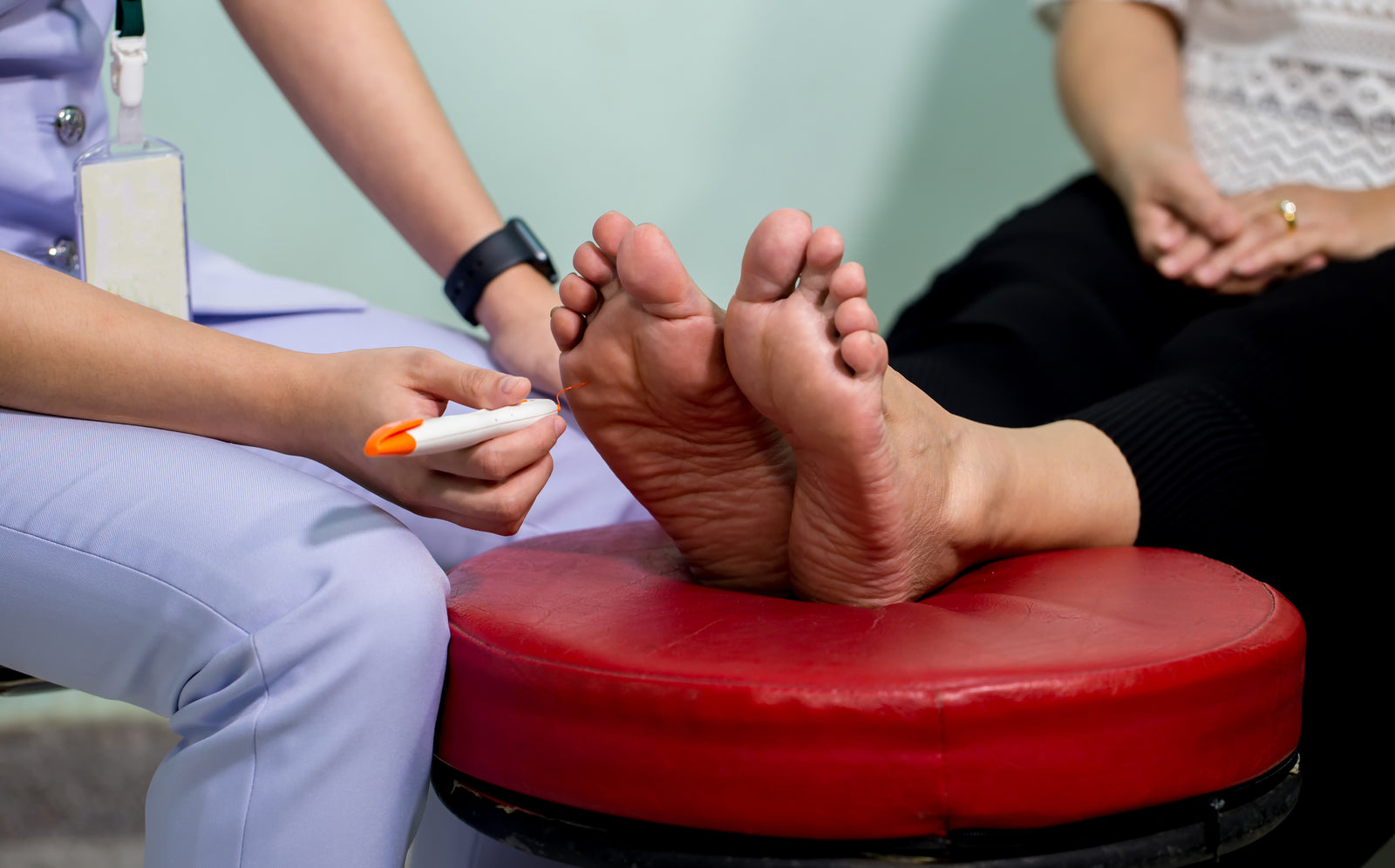
See a doctor for a diabetes test if you have symptoms such as excessive thirst, frequent urination, unexplained weight loss, blurry vision, fatigue, or slow-healing sores, or if you are 45 or older, overweight, or have a family history of diabetes and have not been screened in the last three years. It is important to consult your healthcare provider if you experience any symptoms that could be related to diabetes. If a home meter reading is unexpectedly high or low, or if you have been diagnosed and your readings are consistently outside your target range, contact your healthcare provider rather than waiting for your next appointment. People already diagnosed with diabetes should also have a yearly diabetic foot exam, since nerve and circulation changes in the feet are often the first complications to appear. If you have just been diagnosed, our guide for newly diagnosed diabetics explains the next steps.
Frequently asked questions about diabetes tests
How do you get tested for diabetes?
To get tested for diabetes, a simple blood test is usually the first step. This test will measure your current blood glucose level and if it reveals a level of above 125 mg/dL, your doctor will ask you to repeat the test on a different day. Additional blood tests may also be taken, such as an A1C test, fasting blood sugar test, or glucose tolerance test, to confirm the diagnosis. Only through blood tests can you find out whether you or a loved one has diabetes, which can be arranged through your GP.
What are the warning signs of diabetes?
Be aware of warning signs of diabetes, such as excessive thirst, frequent urination, unexplained weight loss, feeling tired and weak, mood changes, blurry vision, ketones in the urine, slow-healing sores, and increased hunger. Don't ignore any of these indicators of possible diabetes. Our article on the nine signs of type 2 diabetes goes into more detail.
What is a normal blood sugar level?
A healthy fasting blood sugar level is between 70 to 99 mg/dL (3.9 to 5.5 mmol/L). Prediabetes is indicated if the level is between 100 to 125 mg/dL (5.6 to 6.9 mmol/L). Diabetes is indicated if the level is 126 mg/dL (7 mmol/L) or higher.
How do I know for sure if I have diabetes?
To definitively know if you have diabetes, it is important to visit your doctor for regular check-ups and blood tests. If you have risk factors such as a family history of diabetes, these tests are even more necessary. It is important to be aware of the signs and symptoms of diabetes, such as increased thirst, frequent urination, and fatigue. If you experience any of these symptoms, it is important to visit your doctor.
What is the difference between the A1C test and the fasting blood sugar test?
The A1C test provides an average of blood sugar levels over the last three months, whereas the fasting blood sugar test measures glucose levels after a fast of 8-10 hours. Both tests are vital for diabetes diagnosis and management.
How is type 1 diabetes diagnosed differently from type 2?
The same blood sugar tests diagnose both type 1 and type 2 diabetes, but your doctor may add autoantibody tests or a C-peptide test to tell them apart, because the two conditions are treated differently. Type 1 is more likely when symptoms start suddenly, especially in children and young adults. Read more on diagnosing type 1 versus type 2 diabetes.
References, studies and sources
- Centers for Disease Control and Prevention (CDC). Diabetes Tests (Getting Tested). https://www.cdc.gov/diabetes/basics/getting-tested.html
- American Diabetes Association. Diagnosis. https://diabetes.org/about-diabetes/diagnosis
- National Institute of Diabetes and Digestive and Kidney Diseases (NIDDK). Diabetes Tests & Diagnosis. https://www.niddk.nih.gov/health-information/diabetes/overview/tests-diagnosis
- MedlinePlus (U.S. National Library of Medicine). Diabetes. https://medlineplus.gov/diabetes.html
About the author: Dr. Matthew Capozzi, DPM, FACFAS, CWS, is a board-certified foot surgeon through the American Board of Foot and Ankle Surgery. He is a Diplomate of the American Academy of Wound Management and Fellow of the American College of Foot and Ankle Surgeons. He completed a three-year residency program in Foot and Ankle Reconstructive Surgery at St. Francis Hospital & Medical Center in Hartford, CT in 2010. Dr. Capozzi is a board-certified Wound Specialist® granted by the American Academy of Wound Management.
Healthcare disclaimer: Always consult your physician before beginning any program. This general information is not intended to diagnose any medical condition or to replace your healthcare professional. If you experience any pain or difficulty, stop and consult your healthcare provider. CircuFiber socks are a general wellness product intended to promote a temporary increase in local blood flow and circulation; they are not intended to diagnose, treat, cure, or prevent any disease. Individual results vary.