

Written by Dr. Matthew Capozzi, DPM, FACFAS, CWS (board-certified foot surgeon and wound specialist) · Medically reviewed by the CircuFiber Scientific Advisory Board · Updated: October 27, 2026
The most common signs of diabetes in women are frequent urination, excessive thirst, blurry vision, and fatigue that sleep does not fix. Women also get warning signs that men do not: recurring urinary tract infections, vaginal yeast infections and dryness, and polycystic ovary syndrome (PCOS), which is closely linked to insulin resistance. These symptoms often build slowly and are easy to dismiss, so if you notice two or more of them, ask your doctor for a blood sugar test rather than waiting for them to pass.

Key Takeaways
- The four classic signs of diabetes in women are frequent urination, extreme thirst, blurry vision, and persistent fatigue. They are caused by high blood sugar pulling fluid out of the body and the eyes.
- Women-specific warning signs include repeated urinary tract infections, vaginal yeast infections or dryness, and polycystic ovary syndrome (PCOS).
- Other early signs include unexplained weight change, slow-healing cuts, increased hunger, itchy skin, and tingling or numbness in the feet.
- Type 1, type 2, and gestational diabetes share the same core symptoms but differ in cause, age of onset, and treatment. Gestational diabetes usually resolves after delivery but raises the lifetime risk of type 2.
- A simple blood test (HbA1c or fasting glucose) confirms or rules out diabetes. Early diagnosis and management lower the risk of heart, kidney, eye, nerve, and foot complications.
What are the most common signs of diabetes in women?
The most common signs of diabetes in women are frequent urination, excessive thirst, blurry vision, and fatigue, and they usually appear together rather than one at a time. For women, diabetes can produce symptoms such as frequent urination, extreme thirstiness, blurred vision and tiredness that all indicate something is wrong, a warning sign that needs to be heeded. It's important to know how this condition affects women differently in order to get a proper diagnosis and treatment.
Frequent urination
Frequent urination happens because the kidneys work to flush excess glucose out of the blood, carrying water with it. Though it's not exclusive to diabetes, when combined with other symptoms, this could signal that your blood sugar levels are elevated and hint at diabetic tendencies. If you find yourself having trouble controlling these urges, it's time for a visit to your doctor, as undiagnosed high sugar levels may lead to kidney damage complications.
Excessive thirst
Excessive thirst, called polydipsia, is the body's response to the fluid lost through frequent urination. This symptom could hint at diabetes being the culprit behind chronic dehydration and dryness of the mouth. The need for constant hydration serves as one clue in determining whether someone has diabetes, since urination leaves them short on fluids, leading into an ongoing cycle of dehydration.
Blurry vision
Blurry vision is caused by high blood sugar levels leading to fluid build-up in the lens of the eye, which distorts what is seen. This symptom is often overlooked but is more common than one may think. Blurriness from high blood sugar usually improves once glucose is brought under control, but long-term high blood sugar can damage the retina, a condition called diabetic retinopathy, so any vision change deserves an eye exam.
Fatigue
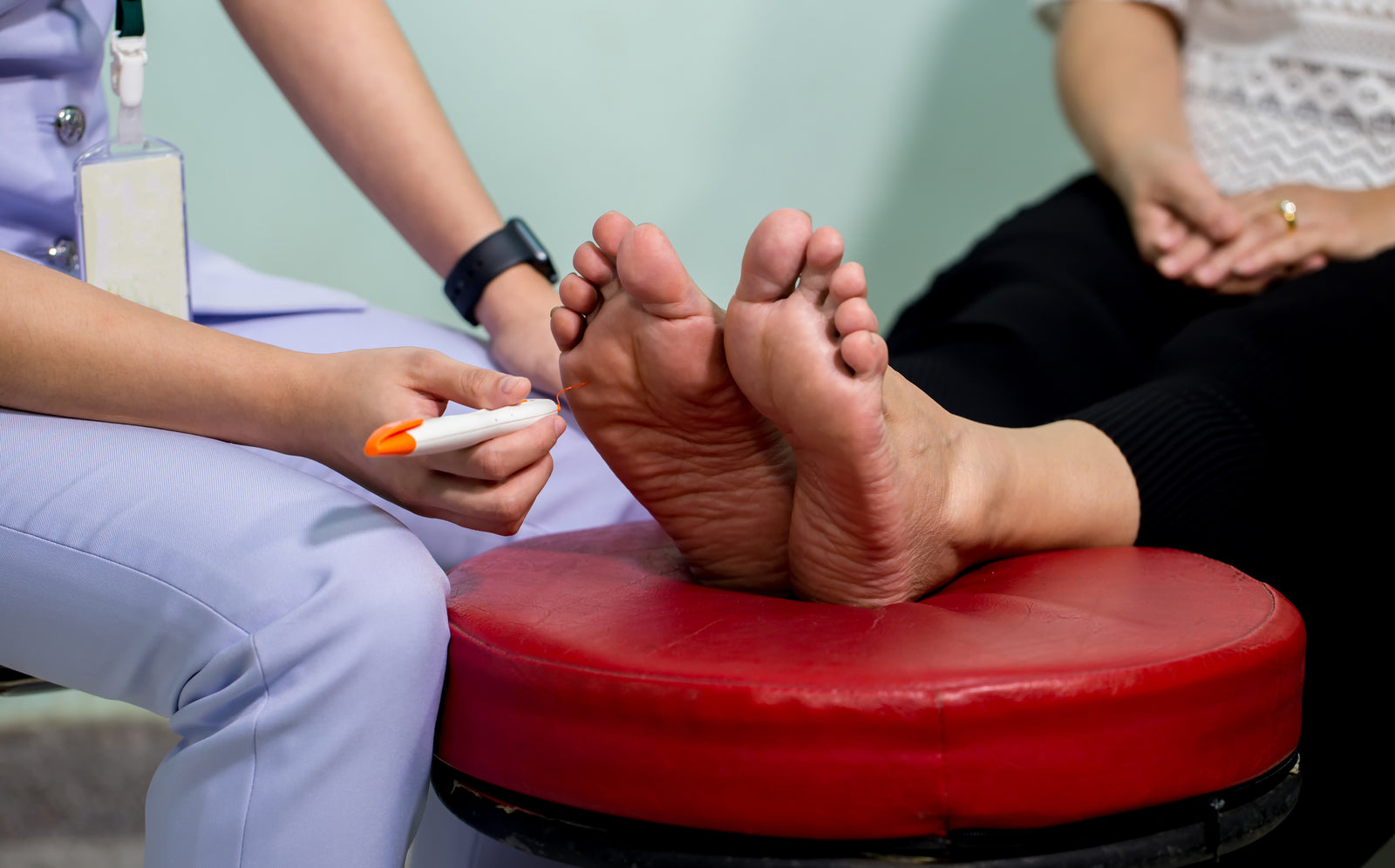
Fatigue in women with diabetes is the unrelenting sensation of exhaustion that isn't overcome with restful sleep. With exceptionally high blood sugar, dehydration and irregular sleeping patterns, this symptom becomes all too familiar. Alongside this comes neuropathy, which often brings feelings of numbness or stinging sensations to the hands, arms, legs and feet, a sign that nerves are being affected. Read more about numb feet and diabetes.
Which signs of diabetes are unique to women?
Women with diabetes are more likely than men to experience urinary tract infections, vaginal yeast infections and dryness, and polycystic ovary syndrome, because high blood sugar affects the urinary tract, vaginal tissue, and hormone balance. Diabetes affects men and women in a somewhat similar way, but these conditions bring their own troubles on top of those faced by everyone else living with diabetes.
Urinary tract infections
Women with diabetes are more prone to urinary tract infections (UTIs) because sugar in the urine feeds bacteria and high blood sugar weakens the immune response. UTI symptoms include a burning sensation during urination, cloudy urine, and a frequent urge to go. When left untreated, the infection can spread to the kidneys. To avoid serious complications, it is necessary for women with diabetes to diagnose and treat UTIs promptly.
Vaginal dryness and yeast infections
Vaginal dryness in women with diabetes is a result of high blood sugar levels, which cause damage to the nerves and small blood vessels around the vagina, leading to reduced lubrication and sensation. High blood sugar also feeds yeast, so recurring vaginal yeast infections (itching, discharge, soreness) are a recognized early sign of diabetes in women.
Polycystic ovary syndrome (PCOS)
Polycystic ovary syndrome (PCOS) increases the risk of developing type 2 diabetes. PCOS is marked by above-normal androgen levels, irregular periods, and often a family history of the syndrome, and it has an established link to insulin resistance. Women with PCOS should have their blood sugar checked regularly even if they have no other symptoms.
What are the early warning signs of diabetes in women?
Early signs of diabetes in women are subtle and build gradually: more thirst and bathroom trips than usual, tiredness, slow-healing cuts, itchy skin, and recurring infections. Women should be aware of warning signs such as frequent urination and thirstiness, feeling overly tired or having blurry vision. Other possible symptoms include a change in weight (loss or gain), slow-healing wounds, excessive hunger, recurring bladder or skin infections, tingling feelings in the feet and itchy patches on the skin. The table below summarizes what each sign usually means and what to do about it.
| Sign | Why it happens | What to do |
|---|---|---|
| Frequent urination and excessive thirst | Kidneys flush excess sugar, pulling water out of the body | Ask your doctor for a blood sugar test |
| Blurry vision | Fluid shifts in the lens of the eye | Blood sugar test plus an eye exam |
| Fatigue and increased hunger | Cells cannot use glucose for energy without enough insulin | Blood sugar test; do not dismiss as stress |
| Recurring UTIs or vaginal yeast infections | Sugar in urine and tissue feeds bacteria and yeast | Treat the infection and ask about screening for diabetes |
| Unexplained weight loss | Body burns fat and muscle when it cannot use glucose | See your doctor promptly; more typical of type 1 |
| Slow-healing cuts, tingling or numb feet | Nerve and blood vessel damage from prolonged high blood sugar | Blood sugar test and a foot exam |
For a broader list of less obvious symptoms, see unusual symptoms of diabetes.
How do the types of diabetes differ in women?
Women can develop three primary forms of diabetes, type 1, type 2, and gestational, and each has distinct characteristics and challenges. Understanding which type is involved shapes how the condition is treated.
Type 1 diabetes
Type 1 diabetes is an autoimmune disorder in which the body erroneously attacks its own insulin-producing cells, preventing the production of the hormone that maintains blood sugar levels. Those living with this condition must monitor their glucose levels daily and manage them using insulin therapy. Symptoms of type 1 diabetes in women tend to come on quickly, often with rapid weight loss.
Type 2 diabetes
Type 2 diabetes is the most common form, occurring in all age groups and leading to a multitude of potential issues. As with many illnesses, such as obesity and cardiac conditions, it may not be easily identifiable, which makes its recognition paramount. Making certain lifestyle alterations or taking prescribed medications can prove vital for dealing with type 2 diabetes successfully. Read the nine signs of type 2 diabetes for more detail.
Gestational diabetes
Gestational diabetes develops during pregnancy, creating elevated blood sugar levels for both mother and child. Although it typically fades away after the baby arrives, mothers have a greater likelihood of developing type 2 diabetes afterwards. To lower these risks, one should adopt healthy habits such as eating right, staying active and taking steps to reduce weight if needed. Learn the symptoms of gestational diabetes and how a gestational diabetes diet helps manage blood sugar during pregnancy.
How is diabetes in women diagnosed and managed?
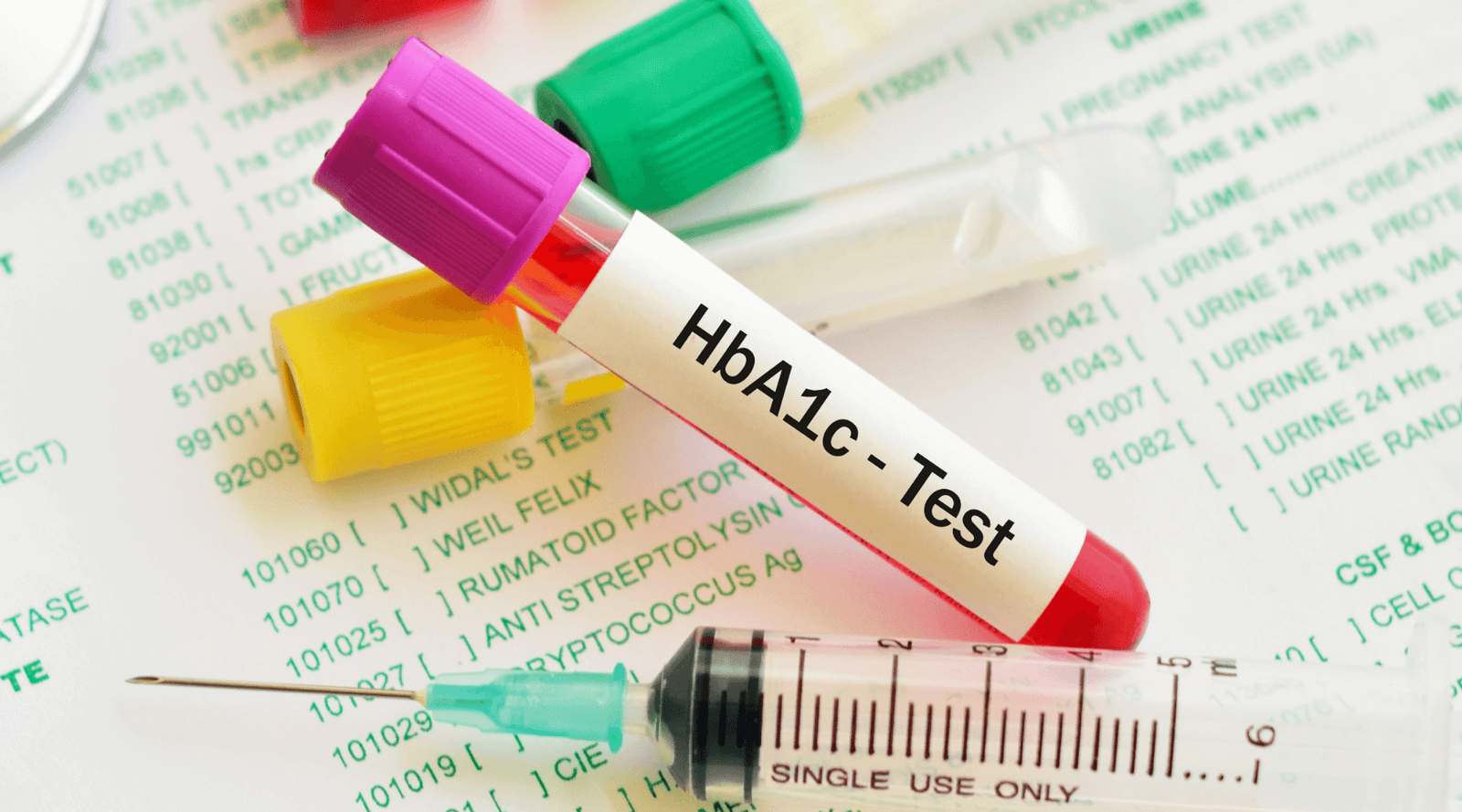
Diabetes is diagnosed with a blood test, most often an HbA1c, fasting glucose, or oral glucose tolerance test, and managed through a combination of medication, lifestyle changes, and regular blood sugar monitoring. Women with this condition need to use medicines and adjust their lifestyle, all for the purpose of maintaining stable blood sugar levels.
Medications
Common drugs used to control diabetes are metformin, sulfonylureas, insulin, GLP-1 receptor agonists and SGLT2 inhibitors. These medicines help maintain blood sugar levels in the body while keeping one on course with their treatment plan. They may be taken orally or by injection depending on how they were prescribed. Prescription medications play a pivotal role in regulating blood sugar in type 1 and type 2 diabetes; always consult your doctor if you are unsure about your medication.
Lifestyle changes
Eating nutritiously, staying active and monitoring your weight is an effective way to maintain balanced control of this condition. By following these habits consistently, it's possible to keep blood sugar in range over the long term. Our essential diabetes management guide covers diet, exercise, and daily routines in more detail.
Alternative remedies
Alternative treatments can provide support alongside standard care, though it is essential to speak with a medical professional before starting any new approach. Some studies suggest certain supplements may affect blood sugar, but they are not a substitute for prescribed treatment; talk to your doctor before trying any of them.
Blood sugar monitoring
Keeping tabs on blood sugar is key to managing diabetes. Tracking your glucose levels can show you how diet, exercise and stress influence them throughout the day, and patterns might become evident that are useful in making adjustments. An HbA1c test tracks your average blood sugar over a period of two to three months, so you can tell if your diabetes management plan is working or needs alterations. Home blood glucose testing offers quick insight into current sugar levels so that you can readily make appropriate changes to your treatment plan. Read why checking your blood sugar matters.
How can women reduce the risk of diabetes-related health problems?
Women can reduce the risk of diabetes-related complications by keeping blood sugar, blood pressure, and cholesterol in their target ranges, staying active, not smoking, and attending regular check-ups. By taking charge and managing their condition effectively, women are able to reduce the danger of serious medical difficulties such as heart disease and complications involving blood vessels in the kidneys, eyes, nerves and feet. Women who had gestational diabetes should be tested for type 2 diabetes regularly after delivery; see our strategies for preventing type 2 diabetes after gestational diabetes.
When should you see a doctor about signs of diabetes?
See a doctor if you have two or more of the signs above for more than a few days, if you have recurring UTIs or yeast infections, or if you have PCOS or had gestational diabetes and have not been screened recently. Seek urgent care for symptoms of very high blood sugar such as vomiting, abdominal pain, confusion, fruity-smelling breath, or rapid breathing, which can signal diabetic ketoacidosis. Early detection and treatment help prevent long-term health complications arising from diabetes.
Frequently asked questions about signs of diabetes in women
What are the 3 most common symptoms of undiagnosed diabetes?
People who have diabetes but are not yet diagnosed most often experience having to go to the bathroom more often than usual, extreme thirst and hunger, and feeling very tired. Blurry vision and slow-healing cuts are also common.
What are 10 warning signs of diabetes in women?
Ten warning signs of diabetes in women are frequent urination, excessive thirst, fatigue, blurry vision, unexplained weight change, slow-healing wounds, increased hunger, recurring bladder, vaginal or skin infections, tingling in the feet, and itchy patches of skin. These red flags shouldn't go unnoticed; medical attention is necessary to correctly diagnose this issue.
What are the early signs of type 2 diabetes in women?
Early signs of type 2 diabetes in women are usually mild: slightly more thirst and urination, tiredness, darkened skin patches on the neck or armpits, recurring yeast infections, and tingling in the feet. Because type 2 develops slowly, many women have it for years before diagnosis, which is why routine screening matters.
Are the signs of diabetes different for women over 40 or 60?
The core signs are the same at any age, but in women over 40 they are more easily mistaken for perimenopause or menopause, since fatigue, mood changes, vaginal dryness, and frequent urination overlap. After 60, the risk of type 2 diabetes is higher and symptoms can be even more subtle, so an annual blood sugar check is recommended.
How do I know if I'm starting with diabetes?
If you find yourself having an unusual level of thirst or hunger, visiting the bathroom more often than normal, feeling tired all the time without good reason, experiencing blurry vision, noticing wounds take longer to heal and losing weight unintentionally, then it may be a sign that diabetes is present. A blood test is the only way to know for sure; see how to know if you have diabetes.
How can I monitor my blood sugar levels at home?
Home blood sugar monitoring can be done quickly and easily with a portable blood glucose meter or a continuous glucose monitor. These devices provide a reading of your current blood sugar level, making it easy to keep track of patterns and share them with your care team.
References, studies and sources
- Centers for Disease Control and Prevention (CDC). Diabetes and Women. https://www.cdc.gov/diabetes/library/features/diabetes-and-women.html
- American Diabetes Association. Blood Sugar Checks for Type 2 Diabetes. https://diabetes.org/tools-support/devices-technology/blood-sugar-checks-type-2
- National Institute of Diabetes and Digestive and Kidney Diseases (NIDDK). Diabetes. https://www.niddk.nih.gov/health-information/diabetes
- Mayo Clinic. Diabetes: Symptoms and Causes. https://www.mayoclinic.org/diseases-conditions/diabetes/symptoms-causes/syc-20371444
- MedlinePlus. Diabetes. https://medlineplus.gov/diabetes.html
About the author: Dr. Matthew Capozzi, DPM, FACFAS, CWS, is a board-certified foot surgeon through the American Board of Foot and Ankle Surgery. He is a Diplomate of the American Academy of Wound Management and Fellow of the American College of Foot and Ankle Surgeons. He completed a three-year residency program in Foot and Ankle Reconstructive Surgery at St. Francis Hospital & Medical Center in Hartford, CT in 2010. Dr. Capozzi is a board-certified Wound Specialist® granted by the American Academy of Wound Management.
Healthcare disclaimer: Always consult your physician before beginning any program. This general information is not intended to diagnose any medical condition or to replace your healthcare professional. If you experience any pain or difficulty, stop and consult your healthcare provider. CircuFiber socks are a general wellness product intended to promote a temporary increase in local blood flow and circulation; they are not intended to diagnose, treat, cure, or prevent any disease. Individual results vary.