


Written by Dr. Matthew Capozzi, DPM, FACFAS, CWS (board-certified foot surgeon and wound specialist) · Medically reviewed by the CircuFiber Scientific Advisory Board · Updated: October 27, 2026
Diabetes and depression are closely linked: people living with diabetes are about twice as likely to experience depression as people without the disease. The connection runs in both directions. The daily burden of monitoring blood sugar, planning meals and worrying about complications wears on mood, and high blood sugar itself can affect brain chemistry; in turn, depression makes diabetes self-care harder, which worsens glucose control. Diabetes depression is treatable with therapy, medication when appropriate, physical activity and support, so recognizing the signs early matters.
Key Takeaways
- People with diabetes are roughly twice as likely to experience depression as people without diabetes, according to the American Diabetes Association, and almost 30% show signs of depression at some point in their lives.
- Three factors drive the link: biological changes in brain chemistry from chronic illness and high blood sugar, the emotional burden of daily diabetes management, and lifestyle changes that can cause distress and social isolation.
- The two conditions feed each other. Depression leads people to neglect diet, medication and monitoring, which worsens glucose control; uncontrolled glucose can intensify depressive symptoms.
- Warning signs include feeling down or hopeless, losing interest in activities you once enjoyed, changes in appetite or sleep, and difficulty concentrating that persist for more than two weeks.
- What helps: cognitive behavioral therapy (CBT), antidepressant medication where a doctor recommends it, regular physical activity, a balanced diet, patient education and support groups.
- Diabetes burnout and diabetes distress are not the same as clinical depression, but they can lead to it if left unaddressed.
What is diabetes depression?
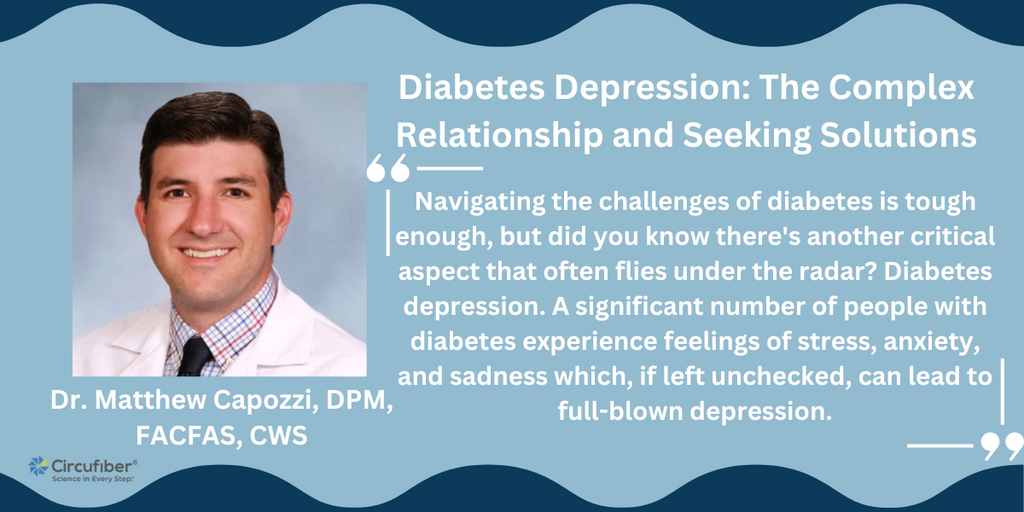
Diabetes depression is clinical depression that develops in a person living with diabetes, driven by the relentless pressure of managing the disease as much as by the diagnosis itself. A significant number of people with diabetes experience feelings of stress, anxiety, and sadness which, if left unchecked, can lead to full-blown depression.
Managing diabetes daily can be overwhelming. It involves constant monitoring of blood sugar levels, careful meal planning, regular exercise – all while juggling life's other demands. It's no surprise then that feelings of despair creep in from time to time. Unfortunately for some folks with diabetes though, these aren't just fleeting feelings; they form a persistent cloud that leads to clinical depression.
Diabetes depression isn't just about feeling down because you have a chronic disease. It's about the relentless pressure and worry associated with managing this disease day in and day out. The good news? We're not powerless against it - there are effective strategies available to help combat this invisible foe. For the broader picture of how the condition affects mood, see our guide to diabetes and mental health.
Can diabetes cause depression?
Yes. According to the American Diabetes Association (ADA), individuals living with diabetes are twice as likely to experience depression compared to those without the disease. This can be attributed to several factors:
- Biological factors: Chronic illnesses like diabetes can trigger chemical changes in the brain leading to depression.
- Emotional burden: The daily stress of managing diabetes might also contribute towards feelings of anxiety, hopelessness, and eventually depression.
- Lifestyle impact: Diabetes demands lifestyle modifications which can cause distress and social isolation.
Biological factors: blood sugar and brain chemistry
High blood sugar levels associated with diabetes impact your brain chemistry, which might lead to depressive symptoms over time. Additionally, inflammation caused by persistent high blood sugar may further aggravate these symptoms.
Emotional burden: the daily weight of managing diabetes
On an emotional level, it's not easy dealing with a lifelong condition like diabetes every single day. The constant worry about glucose levels or potential complications can create an emotional burden too heavy for some people to bear alone—leading them down the path of depression. Diabetes can also fuel anxiety; read more on the diabetes and anxiety connection.
Lifestyle impact: changed routines and isolation
When talking about lifestyle changes – imagine having to give up certain foods you love or adjusting your routines dramatically—it's tough. These sudden shifts might lead someone feeling isolated from their peers or distressed about their new reality which in turn fuels feelings of sadness or emptiness.
How do diabetes and depression affect each other?
Diabetes and depression form a two-way cycle in which each condition can worsen the other. When someone who has diabetes becomes depressed they might neglect their self-care routine causing poor glucose control; conversely uncontrolled glucose levels may intensify depressive symptoms—a vicious cycle.
Dealing with these dual diagnoses isn't an easy road. It can feel like being stuck in a vicious cycle where managing one condition worsens the other. For instance, depression might lead someone to neglect their diet or medication regimen which then results in poor glycemic control. Over time, this pattern is also tied to a higher risk of complications; see depression and diabetes complications.
Understanding this intricate relationship between mental health and physical health is crucial in providing comprehensive care to individuals with diabetes. It's not just about managing blood sugar levels, but also addressing the psychological impact of the disease. Being cognizant of this dual threat can lead towards better coping mechanisms and ultimately a healthier life.
How common is depression in people with diabetes?
Depression is much more common among people with diabetes than in the general population. Studies have shown that people living with diabetes are twice as likely to experience depression than those without this chronic condition. According to the American Diabetes Association, almost 30% of people with diabetes exhibit signs of depression at some point in their lives. Furthermore, they state that depressive symptoms were reported by 31% of adults with type 1 diabetes and by 36% for those with type 2.
Living with diabetes is not just about managing blood sugars. It's also a mental and emotional journey that can weigh heavy on a person's psyche. When you're living with diabetes, it's not uncommon to feel overwhelmed. We're talking about the constant monitoring of blood sugar levels, making sure we're eating right, getting enough exercise, and taking medication on schedule. Not to mention frequent doctor visits and the worry over potential complications like heart disease or kidney problems. Our guide to the emotional side of living with diabetes covers this in more depth.
What are the signs of depression with diabetes?
The signs of depression in a person with diabetes are the same as in anyone else, but they are easy to mistake for ordinary diabetes fatigue. These might include feeling down or hopeless, losing interest in activities you once enjoyed, changes in appetite or sleep patterns, and difficulty concentrating. If you notice these symptoms persist for more than two weeks, it's advisable to seek professional help.
Diabetes burnout versus depression
Diabetes burnout refers to feeling frustrated or tired from having to constantly manage your condition - leading some individuals towards unhealthy behaviors such as skipping insulin doses or binge eating. Burnout and diabetes distress are specific to the work of managing diabetes, whereas depression colors every part of life, but one can lead to the other. Read more on diabetes burnout and solutions and on the difference between diabetes distress and depression.
| What you notice | What it may be | What to do |
|---|---|---|
| Frustration and fatigue aimed specifically at blood sugar checks, injections or meal planning | Diabetes burnout or diabetes distress | Talk to your diabetes care team about simplifying your routine; consider a support group |
| Feeling down or hopeless, loss of interest in activities, appetite or sleep changes, trouble concentrating for more than two weeks | Clinical depression | See your medical provider or a mental health professional for screening and treatment |
| Skipping insulin doses, binge eating or avoiding appointments | Burnout that is affecting self-care, or depression | Tell your doctor promptly; poorly managed blood sugar can worsen mood |
| Thoughts of harming yourself | A mental health emergency | Contact your doctor, call or text 988 in the U.S., or contact local emergency services right away |
How is diabetes-related depression treated?
Diabetes-related depression is treated most successfully by combining pharmacological treatments with psychological interventions. Cognitive Behavioral Therapy (CBT) has shown promising results in many cases. This form of therapy teaches patients how to recognize and change negative thought patterns that lead to depressive symptoms. For a closer look at coordinated care, see treating diabetes and depression together.
Medication and therapy
- Pharmacological treatments: Antidepressant medications can be beneficial, especially Selective Serotonin Reuptake Inhibitors (SSRIs) and Serotonin-Norepinephrine Reuptake Inhibitors (SNRIs). These drugs increase serotonin levels, a neurotransmitter associated with mood regulation. Talk to your doctor about whether medication is right for you.
- Psychological interventions: CBT and mindfulness-based cognitive therapy have been found useful in managing both depression and diabetes distress.
Physical activity and diet
Regular physical activity is another crucial part of the treatment plan. Exercise helps reduce depressive symptoms by triggering endorphin release, improving insulin sensitivity, and promoting overall well-being. Learn more about the diabetes and exercise connection.
Diet also plays a vital role in managing diabetes-related depression. A balanced diet rich in fruits, vegetables, lean proteins, and whole grains can improve blood sugar control while enhancing mood stability.
Patient education
Patient education is an essential part of any treatment strategy. Being informed about their condition empowers patients to take charge of their health more effectively.
| Strategy | Description |
|---|---|
| Pharmacological Treatments | Use of antidepressants such as SSRIs or SNRIs |
| Psychological Interventions | Implementing therapies like CBT or mindfulness-based cognitive therapy |
| Physical Activity | Regular exercise to boost endorphins and improve insulin sensitivity |
| Diet | Balanced diet rich in fruits, vegetables, lean proteins & whole grains |
| Patient Education | Empowering patients through information about their condition |
Remember, it's always important to consult a healthcare provider before starting any new treatment for diabetes-related depression. They can guide you through the process and help tailor a plan that fits best with your lifestyle.
How can you cope with diabetes and depression day to day?
Coping with diabetes and depression together starts with self-care, steady diabetes management and not going it alone. Dealing with the two conditions can be challenging. However, there are strategies that we can use to help us cope effectively:
- Self-care is paramount. This includes regular physical activity and a balanced diet – both known mood boosters.
- Manage your diabetes. Regular blood sugar monitoring helps keep us informed about our body's needs. Eating a balanced diet full of fruits, vegetables and lean proteins; getting regular exercise; taking medication as prescribed; and attending medical appointments regularly aids in keeping diabetes under control. Staying diligent about your glucose control is absolutely crucial when battling depression, because poorly managed blood sugar levels could lead to mood swings and exacerbate feelings of despair.
- Use stress management techniques. Incorporating deep breathing exercises or mindfulness meditation into your routine can also be beneficial. See our guide to stress management with diabetes.
- Reach out for social support. Talking with trusted friends and family members about what we're going through can make a big difference.
- Professional help should never be underestimated or ignored. A mental health professional can provide valuable tools for managing stress and coping effectively.
- Support groups can be extremely beneficial too. Connecting with others facing similar challenges helps alleviate feelings of isolation.
While these statistics might seem daunting, know that there are resources out there designed specifically for helping individuals cope:
- Therapy (individual/group)
- Support groups
- Online forums
- Community events
Remember that it's okay not to be okay all the time when dealing with such a challenging diagnosis. Reach out for help when needed; you're not alone in this journey. There are countless resources available – from healthcare professionals to supportive communities – ready to offer assistance every step of the way.
When should you see a doctor about diabetes and depression?
See your medical provider or a mental health professional, such as a psychologist or psychiatrist, if feelings of sadness, hopelessness or loss of interest last more than two weeks, if you find yourself skipping insulin doses or appointments, or if your blood sugar control is slipping and you cannot say why. Never hesitate to seek professional help when necessary. If you are in crisis or having thoughts of harming yourself, contact your doctor, call or text 988 (the Suicide and Crisis Lifeline in the U.S.), or contact your local emergency services immediately.
Frequently asked questions about diabetes and depression
Can diabetes cause depression and anxiety?
Yes. The same pressures that lead to depression in people with diabetes, constant monitoring, worry about complications and lifestyle changes, also commonly produce anxiety, and the two often occur together. Treatment approaches such as cognitive behavioral therapy address both, so mention any anxiety symptoms to your doctor alongside low mood.
Is depression more common in type 1 or type 2 diabetes?
Depression occurs in both types. The American Diabetes Association figures cited in this article report depressive symptoms in 31% of adults with type 1 diabetes and 36% of adults with type 2 diabetes, so the rates are similar and both groups are at roughly twice the risk of people without diabetes.
Does high blood sugar affect your mood?
It can. High blood sugar levels impact brain chemistry and may lead to depressive symptoms over time, and poorly managed blood sugar can cause mood swings in the short term. Keeping glucose in your target range is one practical step that supports both physical and mental health.
What is the difference between diabetes burnout and depression?
Diabetes burnout is frustration and exhaustion from the never-ending work of managing diabetes, and it tends to show up as skipping checks or doses. Depression is a broader mood disorder that affects energy, sleep, appetite, interest and concentration across all of life. Burnout can lead to depression if it is not addressed, so both deserve attention.
Can treating depression improve diabetes control?
Treating depression often makes diabetes easier to manage, because a person who feels better is more able to monitor blood sugar, eat well, exercise and take medication as prescribed. This is why many care teams now screen for depression as part of routine diabetes care and treat the two conditions together.
References, studies and sources
- Diabetes UK. Diabetes and depression. https://www.diabetes.org.uk/guide-to-diabetes/emotions/depression
- American Diabetes Association. Mental Health. https://diabetes.org/health-wellness/mental-health
- Centers for Disease Control and Prevention (CDC). Diabetes and Mental Health. https://www.cdc.gov/diabetes/living-with/mental-health.html
- National Institute of Diabetes and Digestive and Kidney Diseases (NIDDK). Diabetes. https://www.niddk.nih.gov/health-information/diabetes
About the author: Dr. Matthew Capozzi, DPM, FACFAS, CWS, is a board-certified foot surgeon through the American Board of Foot and Ankle Surgery. He is a Diplomate of the American Academy of Wound Management and Fellow of the American College of Foot and Ankle Surgeons. He completed a three-year residency program in Foot and Ankle Reconstructive Surgery at St. Francis Hospital & Medical Center in Hartford, CT in 2010. Dr. Capozzi is a board-certified Wound Specialist® granted by the American Academy of Wound Management.
Healthcare disclaimer: Always consult your physician before beginning any program. This general information is not intended to diagnose any medical condition or to replace your healthcare professional. If you experience any pain or difficulty, stop and consult your healthcare provider. CircuFiber socks are a general wellness product intended to promote a temporary increase in local blood flow and circulation; they are not intended to diagnose, treat, cure, or prevent any disease. Individual results vary.





