

Written by Dr. Matthew Capozzi, DPM, FACFAS, CWS (board-certified foot surgeon and wound specialist) · Medically reviewed by the CircuFiber Scientific Advisory Board · Updated: October 28, 2026
Diabetes and low testosterone are closely linked, especially in men with type 2 diabetes. Research published in the Journal of Clinical Endocrinology & Metabolism found that about 33% of men with type 2 diabetes have low testosterone, and that men with diabetes are twice as likely to have low levels as men without it. The link appears to run both ways: high insulin levels and excess body fat can lower testosterone, and low testosterone is associated with insulin resistance. If you have diabetes and notice fatigue, low sex drive, or mood changes, talk to your doctor about having your testosterone checked.
Key Takeaways
- Low testosterone is common in men with diabetes. About one in three men with type 2 diabetes has low testosterone, and men with diabetes are about twice as likely to have low levels as men without diabetes.
- The two conditions feed each other. High insulin levels and excess body fat may suppress testosterone production, while low testosterone is associated with insulin resistance and higher blood sugar.
- Symptoms overlap with diabetes itself: fatigue, reduced muscle mass, increased belly fat, low mood, poor focus, low sex drive, erectile dysfunction, and disrupted sleep.
- Treatment options include testosterone replacement therapy (TRT), medications that stimulate the body's own testosterone production, and lifestyle changes such as exercise, sleep, diet, and limiting alcohol. None is right for everyone.
- Talk to your doctor before starting any treatment. Research on TRT and heart risk is mixed, and the right approach depends on your age, overall health, and preferences.
Can diabetes cause low testosterone?
Diabetes is strongly associated with low testosterone, and it may contribute to it. Diabetes is a chronic condition that affects how your body turns food into energy, but it doesn't stop there: the disease can also impact other aspects of your health, including hormone levels. Studies suggest a link exists between diabetes and low testosterone levels in men; estimates vary, with some putting the figure at nearly half of all men with diabetes, and research published in the Journal of Clinical Endocrinology & Metabolism reporting:
- About 33% of men with type 2 diabetes also have low testosterone.
- Men with diabetes are twice as likely to have lower testosterone levels compared to those without.
Diabetes, particularly type 2, is a chronic illness characterized by high blood sugar levels that can lead to serious health issues like heart disease, kidney failure, and blindness. It affects over 34 million Americans according to the Centers for Disease Control and Prevention (CDC). Understanding the correlation with testosterone can help manage both conditions more effectively and improve overall health outcomes. For a broader look, the American Diabetes Association explains the link between diabetes and low testosterone.
What is low testosterone (hypogonadism)?
Low testosterone, medically known as hypogonadism, is a condition in which the body does not produce enough of the hormone testosterone. Testosterone plays vital roles in men's health, from maintaining bone density to ensuring proper sexual function. When levels become low, men can experience fatigue, depression, and decreased libido, among other symptoms.
Why are diabetes and low testosterone linked?
Researchers believe diabetes and low testosterone are linked mainly through insulin and body fat, although the full relationship is still being studied.
High insulin levels
One theory suggests that high insulin levels associated with diabetes may inhibit testosterone production. Learn more about insulin resistance and how to improve insulin sensitivity.
Excess body fat
Obesity is another likely connection, since it is common in both conditions: excess fat can reduce testosterone while increasing the risk of type 2 diabetes. See our guide to weight loss strategies for diabetes.
We're still learning about this complex relationship, but one thing seems clear: managing one condition could potentially help control the other.
Can low testosterone cause diabetes?
Low testosterone has not been shown to cause diabetes on its own, but it is associated with insulin resistance, which raises blood sugar and the risk of type 2 diabetes. Testosterone plays an essential role in regulating insulin sensitivity. When it's low, your body may struggle to use insulin effectively, which can lead to higher blood sugar levels. For example, a study published in Diabetes Care reported that men with low testosterone were more likely to have insulin resistance or full-blown diabetes.
What are the symptoms of low testosterone in men with diabetes?
The main symptoms of low testosterone in men with diabetes are fatigue, loss of muscle, weight gain around the waist, mood changes, sexual problems, and poor sleep. Many of these overlap with symptoms of diabetes itself, which is why low testosterone is often overlooked.
| Symptom area | What you may notice | Why it matters with diabetes |
|---|---|---|
| Physical | Fatigue even after plenty of sleep; reduced muscle mass or difficulty building muscle; increased body fat, especially around the waistline | Can make exercise routines and diet plans harder to keep up |
| Mental wellbeing | Depression or irritability; lack of focus or feeling foggy | Low mood can affect day-to-day diabetes self-care |
| Sexual health | Lower sex drive; erectile dysfunction (ED) | Should not be dismissed as a side effect of aging |
| Sleep | Struggling to fall asleep or waking up frequently during the night | May signal a hormonal imbalance worth checking |
Increased body fat isn't just about aesthetics; it's an indicator that your hormone levels may not be balanced. Mood changes like depression or irritability shouldn't be ignored either (read more about the relationship between diabetes and depression). It's vital for men not to dismiss sexual health symptoms as mere side effects of aging but to seek medical advice instead.
How does low testosterone affect diabetes management?
Low testosterone can make diabetes harder to manage by reducing insulin sensitivity and causing fatigue and muscle loss that get in the way of exercise and healthy eating. You might find yourself dealing with symptoms like fatigue and reduced muscle mass, which can complicate the exercise plan and diet that are integral to managing diabetes.
Research on low testosterone also links it to wider health effects in men. Key findings from two studies:
| Study | Key Findings |
|---|---|
| "Association of Testosterone Levels With Anemia in Older Men" | Men with lower testosterone were twice as likely to have anemia |
| "Low Serum Testosterone and Mortality in Male Veterans" | Men with lower T-levels had a higher risk of death |
While we need more comprehensive research to fully understand this connection, low testosterone could be an overlooked factor in managing diabetes effectively.
How is low testosterone treated in men with diabetes?
Low testosterone in men with diabetes is treated with testosterone replacement therapy, medications that stimulate natural testosterone production, lifestyle changes, or a combination, chosen with your doctor. There isn't a one-size-fits-all treatment. What works best will depend on individual health factors including age, overall health and personal preferences.
Testosterone replacement therapy (TRT)
Testosterone replacement therapy (TRT) involves administering synthetic testosterone to help restore normal hormone levels. This could be via:
- Injections, usually given every one to two weeks.
- Patches or gels, applied daily on the skin.
Some men report benefits from TRT such as improved mood, increased energy, and better sexual function, but results vary and it may not suit everyone. There has been some concern about whether TRT increases the risk of heart attacks or other cardiovascular issues. So far, research results have been mixed: some studies suggest an increased risk while others don't. Talk to your doctor about whether TRT is appropriate for you.
Medications that stimulate your own testosterone
Medications like clomiphene citrate and human chorionic gonadotropin (hCG) are also used sometimes. These medications stimulate the body's own production of testosterone rather than replacing it. Diabetes medications play their part too: metformin helps manage blood sugar levels (see foods to avoid with metformin). Every person's body responds differently to treatments, so discuss these options with your healthcare provider.
Lifestyle changes
Lifestyle changes may help raise testosterone levels naturally and support blood sugar control at the same time:
- Regular weight training and aerobic exercise (try these six exercises for people with diabetes)
- Adequate sleep
- A healthy diet rich in lean proteins, healthy fats and fresh fruits & vegetables (see how to build a diabetic diet plan)
- Limiting alcohol intake
Ongoing research continues to explore new methods for managing low testosterone in men with diabetes, so stay informed about the latest developments and review them with your healthcare team.
When should you see a doctor about low testosterone?
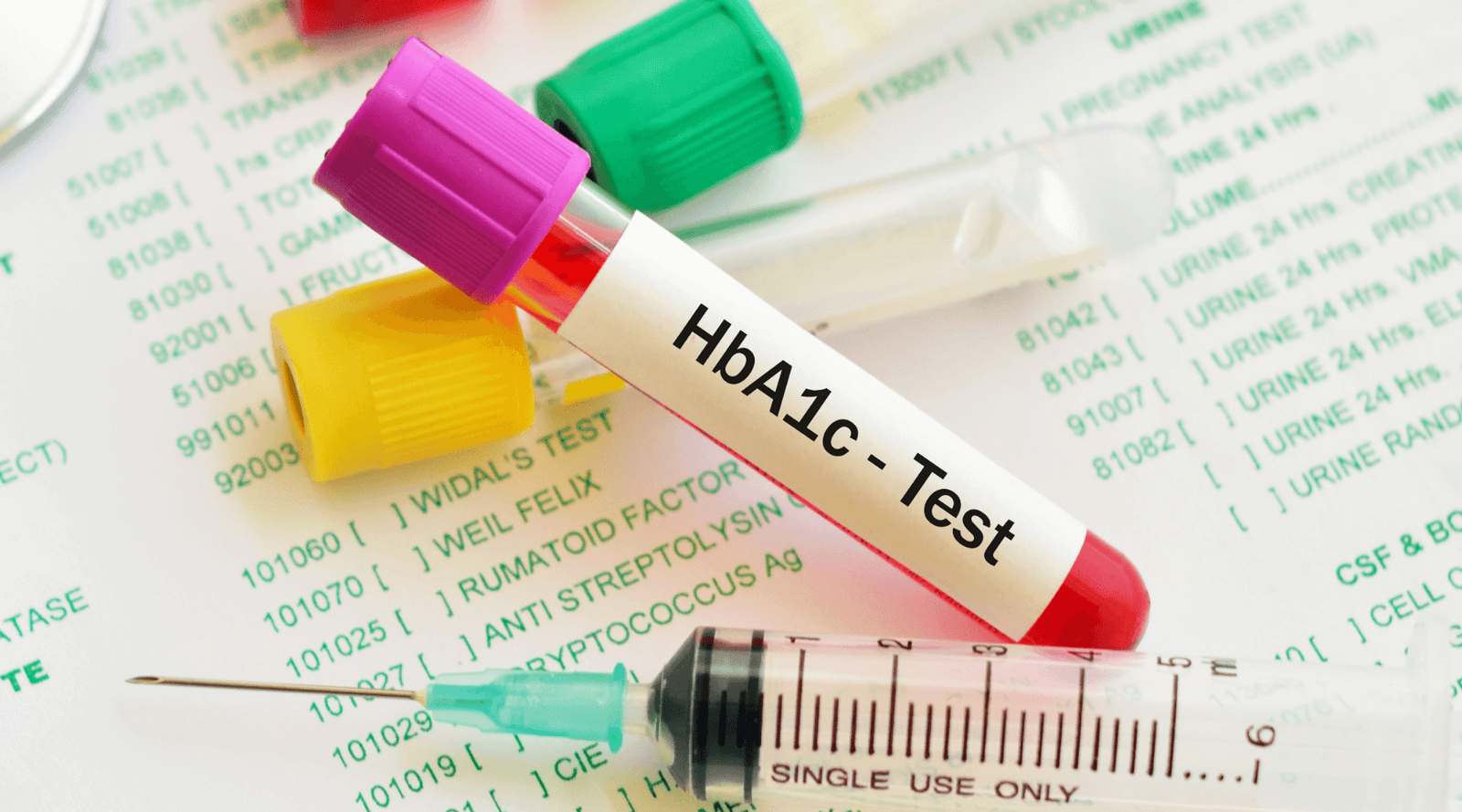
See your doctor if you have diabetes and notice persistent fatigue, loss of muscle, increased belly fat, low mood, low sex drive, erectile dysfunction, or poor sleep. A blood test can check your testosterone level, and regular check-ups can aid early detection. Every person is unique, and what works for one might not work for another, so consult your healthcare professional before making any significant changes to your lifestyle or treatment plan. They'll be able to provide personalized recommendations based on your specific situation and medical history. For an overview of keeping both conditions in check, see our essential diabetes management guide.
Frequently asked questions about diabetes and low testosterone
Do all men with diabetes have low testosterone?
No. Low testosterone is common in men with diabetes, affecting about one in three men with type 2 diabetes, but most men with diabetes have normal levels. A blood test ordered by your doctor is the only way to know.
Does type 1 diabetes cause low testosterone?
Most research on low testosterone has focused on type 2 diabetes, where the link is strongest and tied largely to insulin resistance and excess body fat. Men with type 1 diabetes can also have low testosterone, so symptoms are worth raising with your doctor whatever type of diabetes you have.
Is erectile dysfunction with diabetes always caused by low testosterone?
No. Erectile dysfunction in men with diabetes can also come from damage to the nerves and blood vessels involved in erections, including diabetic autonomic neuropathy. Low testosterone is one possible cause among several, which is why a doctor's evaluation matters.
Can losing weight raise testosterone in men with diabetes?
It may. Excess body fat can reduce testosterone, so losing weight through regular exercise and a healthy diet may help raise levels while also improving blood sugar control. Talk to your doctor about a plan that fits your health.
Is testosterone replacement therapy safe for men with diabetes?
Testosterone replacement therapy can be an option for some men with diabetes and low testosterone, but it may not suit everyone. Research on whether TRT raises the risk of heart attacks or other cardiovascular problems has been mixed, so the decision should be made with your doctor based on your overall health.
References, studies and sources
- American Diabetes Association. Low Testosterone. https://diabetes.org/health-wellness/sexual-health/low-testosterone
- Centers for Disease Control and Prevention (CDC). Diabetes. https://www.cdc.gov/diabetes/
- National Institute of Diabetes and Digestive and Kidney Diseases (NIDDK). Diabetes. https://www.niddk.nih.gov/health-information/diabetes
- MedlinePlus (U.S. National Library of Medicine). Diabetes. https://medlineplus.gov/diabetes.html
About the author: Dr. Matthew Capozzi, DPM, FACFAS, CWS, is a board-certified foot surgeon through the American Board of Foot and Ankle Surgery. He is a Diplomate of the American Academy of Wound Management and Fellow of the American College of Foot and Ankle Surgeons. He completed a three-year residency program in Foot and Ankle Reconstructive Surgery at St. Francis Hospital & Medical Center in Hartford, CT in 2010. Dr. Capozzi is a board-certified Wound Specialist® granted by the American Academy of Wound Management.
Healthcare disclaimer: Always consult your physician before beginning any program. This general information is not intended to diagnose any medical condition or to replace your healthcare professional. If you experience any pain or difficulty, stop and consult your healthcare provider. CircuFiber socks are a general wellness product intended to promote a temporary increase in local blood flow and circulation; they are not intended to diagnose, treat, cure, or prevent any disease. Individual results vary.