


Written by Dr. Matthew Capozzi, DPM, FACFAS, CWS (board-certified foot surgeon and wound specialist) · Medically reviewed by the CircuFiber Scientific Advisory Board · Updated: October 28, 2026
Chronic stress raises blood sugar and can increase the risk of type 2 diabetes, and living with diabetes can in turn create ongoing stress. When stress becomes constant, the body keeps releasing the hormones cortisol and adrenaline, which tell the liver to produce more glucose and, over time, can contribute to insulin resistance. Stress also pushes many people toward poor sleep, overeating and inactivity, which are risk factors in their own right. Regular exercise, a balanced diet, good sleep, mindfulness practices and professional support can help manage both chronic stress and diabetes.
Key Takeaways
- Stress hormones raise blood sugar. Cortisol and adrenaline signal the liver to release more glucose; when stress is chronic, blood sugar can stay elevated.
- Chronic stress is linked to type 2 diabetes risk through persistently high glucose, insulin resistance, weight gain around the abdomen, and stress-driven habits such as overeating and inactivity.
- The link runs both ways. Managing diabetes, with constant blood sugar monitoring, dietary restrictions and the worry of complications, is itself a source of chronic stress.
- Acute stress is different from chronic stress. Short-lived stress causes temporary blood sugar spikes that are not generally harmful; ongoing stress is what disrupts glucose metabolism.
- What helps: regular exercise, adequate sleep, a balanced high-fiber diet, mindful eating, mind-body practices such as meditation or yoga, and professional support when you need it.
How are chronic stress and diabetes connected?
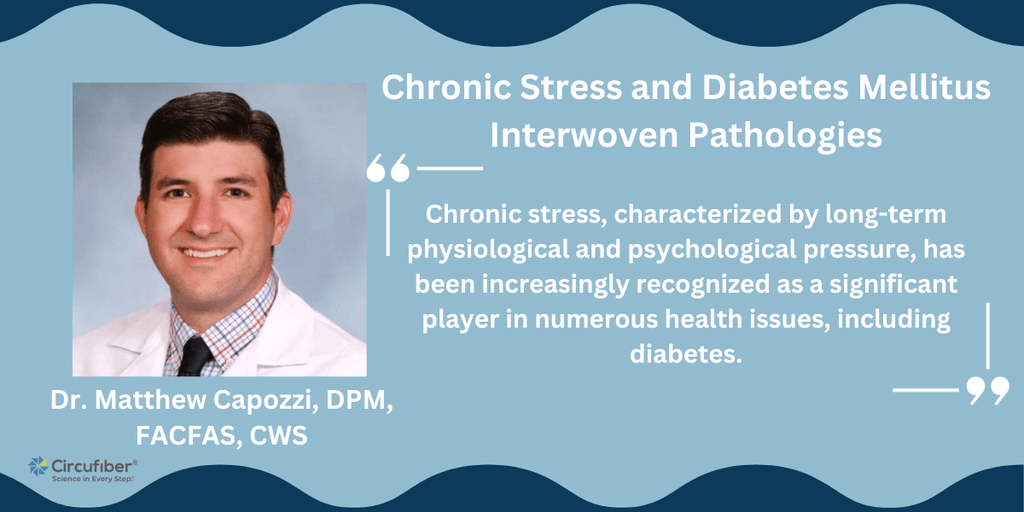
Chronic stress and diabetes mellitus are connected because long-term stress changes how the body handles blood sugar, and diabetes adds its own daily stress. Chronic stress, characterized by long-term physiological and psychological pressure, has been increasingly recognized as a significant player in numerous health issues, including diabetes. The connection between work stress and diabetes isn't merely coincidental; it's deeply rooted in the delicate balance of our body's systems.
Diabetes mellitus, primarily known for its hallmark feature of heightened blood sugar levels, is not just about sugar alone. Chronic stress can be both a potent precursor to developing diabetes mellitus and an aggravator for those already grappling with this metabolic disorder.
We've all felt stress at some point in our lives. It's that feeling of pressure, unease, or worry that often comes with demanding circumstances. However, when stress becomes a constant companion, it can take a toll on our bodies over time, leading to changes in our biological systems that increase the risk for diseases like diabetes mellitus.
How does stress raise blood sugar?
Stress raises blood sugar by triggering the release of the hormones cortisol and adrenaline, which instruct the liver to produce more glucose. When we're stressed, these hormones enable the "fight or flight" response that helps us deal with immediate threats, and the extra glucose is a rapid energy source for our muscles.
In normal circumstances, this extra glucose would be used up as we physically respond to whatever's causing us stress, and once the stressful situation passes, everything goes back to normal. But when stress becomes chronic, our bodies keep pumping out these hormones, leading to a continuous state of high alert.
In today's world, chronic stress usually isn't caused by physical danger. Instead, it comes from long-term issues like work pressures or financial worries. Without a physical outlet for all this extra energy, glucose levels in the blood remain high.
Can chronic stress cause type 2 diabetes?
Chronic stress can increase the risk of developing type 2 diabetes, although it is one contributing factor among several rather than a single cause. In chronic stress scenarios, our bodies are constantly pumping out stress hormones, causing persistently high blood sugar levels. This long-term elevation in blood sugar forces our pancreas to work overtime producing insulin, leading over time to insulin resistance and ultimately type 2 diabetes mellitus. For an evidence review on this question, read can stress cause diabetes?
Chronic stress raises type 2 diabetes risk through several pathways at once. The table below summarizes them.
| How chronic stress affects the body | What happens | Why it matters for diabetes |
|---|---|---|
| Persistent stress hormones | Cortisol instructs the liver to produce more glucose, the primary source of energy for our cells | Blood sugar stays elevated, which can lead to insulin resistance |
| Weight gain | Elevated cortisol levels can lead to weight gain, particularly around the abdomen | Abdominal weight is a risk factor for developing type 2 diabetes |
| Poor sleep | Stress often leads to insomnia or poor-quality sleep | Poor sleep has been linked with higher insulin resistance |
| Unhealthy coping behaviors | People under constant stress might turn to smoking, overeating, poor diet choices or neglecting exercise | Each of these increases the risk of developing diabetes |
| Immune system suppression | Chronic stress weakens immune function | May influence the development of type 1 diabetes in genetically susceptible individuals |
In short: while acute stress causes temporary spikes in blood sugar levels (which isn't generally harmful), ongoing chronic stress disrupts glucose metabolism and poses serious risks for developing type 2 diabetes.
How common are chronic stress and diabetes?
Chronic stress and diabetes are both common among U.S. adults, and the original figures compiled for this article are shown below.
| Statistic | Value |
|---|---|
| Percentage of adults with reported high-stress levels | 33% |
| Increased risk of type 2 diabetes associated with high-stress levels | 45% |
| Percentage of U.S. adults affected by chronic stress who report overeating as a coping mechanism | 27% |
These figures highlight just how prevalent chronic stress is among U.S. adults and its potential influence on increasing one's likelihood of developing diabetes. According to data from the American Diabetes Association:
| Year | Number of Americans Diagnosed With Diabetes |
|---|---|
| 2018 | 34.2 Million |
| 2020 | 37.3 Million |
This rise in diabetes cases among Americans underscores the critical need for effective stress management strategies.
Why is living with diabetes stressful?
Living with diabetes is stressful because managing it is a constant, daily job. The constant need for monitoring blood sugar levels, adhering to dietary restrictions, and dealing with potential complications can be overwhelming. It's like trying to juggle while walking on a tightrope.
Living with persistent stress creates a cycle where the physical effects exacerbate mental strain, causing further physiological damage. To put it simply:
- Chronic stress affects your body's ability to regulate insulin, leading to an increased risk of diabetes
- Living with diabetes can cause significant emotional distress, propelling this vicious cycle (see the diabetes and anxiety connection)
It's important, though, not to view chronic stress as an unavoidable outcome when living with diabetes, or vice versa. When daily management starts to feel exhausting, read about diabetes burnout and solutions and the difference between diabetes distress and depression.
How can you manage chronic stress when you have diabetes?
You can manage chronic stress with diabetes by combining regular exercise, a balanced diet, adequate sleep, mind-body practices and professional support. Understanding how these conditions feed off each other will enable us to better manage them, and adopting strategies that reduce stress levels and improve glycemic control simultaneously can help break the cycle. For more practical techniques, see our guide to stress management with diabetes.
Exercise regularly
Regular exercise plays a key role in managing both diabetes and chronic stress. It helps lower blood sugar levels while reducing the body's stress hormones like adrenaline and cortisol. Not only does it boost our physical health, but it also enhances our mood by increasing the production of endorphins, the body's natural feel-good hormones. To get started, see building a diabetes exercise plan.
Eat a balanced, high-fiber diet
Maintaining a balanced diet is crucial. Foods high in fiber such as fruits, vegetables and whole grains, along with lean proteins, are beneficial for controlling blood glucose levels. Moreover, implementing mindful eating habits such as savoring each bite and paying attention to hunger cues can help reduce binge eating episodes often associated with elevated stress levels.
Protect your sleep
Adequate sleep helps keep chronic stress at bay, and because poor-quality sleep has been linked with higher insulin resistance, it supports blood sugar control as well.
Practice mindfulness, meditation or yoga
Mind-body practices like meditation or yoga foster mental resilience. These activities encourage relaxation and improve coping skills when dealing with stressful situations, which can help with glucose metabolism affected by chronic anxiety. Read more about yoga for blood sugar control.
Seek professional help when you need it
Seeking professional help when necessary is an essential part of managing both conditions, whether that means talking to a nutritionist about your diet plan or consulting with a psychologist if you're struggling mentally. These simple yet effective lifestyle changes could potentially help manage both conditions more effectively, resulting in improved quality of life.
When should you see a doctor about stress and diabetes?
See your doctor if stress is making it hard to keep your blood sugar in your target range, if your readings are higher than usual during stressful periods, or if you notice ongoing trouble sleeping, overeating, low mood or anxiety. Your healthcare team can adjust your diabetes plan and refer you to a mental health professional or diabetes educator. If you do not have a diabetes diagnosis but live with chronic stress and notice symptoms such as increased thirst, frequent urination or fatigue, ask about a blood sugar test. Regular checks help you see how stress affects you; read why checking your blood sugar matters. If you are in crisis, contact your doctor or local emergency services.
Frequently asked questions about chronic stress and diabetes
Can stress raise blood sugar in type 2 diabetes?
Yes. Stress hormones such as cortisol and adrenaline signal the liver to release more glucose, so blood sugar can rise during stressful periods in people with type 2 diabetes. If you notice higher readings when you are under pressure, mention the pattern to your healthcare team.
Can stress raise blood sugar in type 1 diabetes?
Yes. The same stress hormones raise blood glucose in people with type 1 diabetes. Because people with type 1 diabetes rely on insulin they take, stress-related changes in blood sugar are worth tracking and discussing with your doctor.
Can stress cause type 1 diabetes?
Stress is not considered a direct cause of type 1 diabetes, which is an autoimmune condition. Chronic stress weakens immune function, which may influence the development of type 1 diabetes in genetically susceptible individuals, but this link is less established than the link between chronic stress and type 2 diabetes.
Can diabetes caused by stress be reversed?
Diabetes is rarely caused by stress alone, so reducing stress on its own is unlikely to reverse it. Managing stress can help improve blood sugar control, and lifestyle changes such as exercise, diet and weight management are the main levers your doctor will discuss. Read more on whether diabetes can be reversed.
Is acute stress as harmful as chronic stress for diabetes?
No. Acute stress causes temporary spikes in blood sugar levels, which isn't generally harmful. Ongoing chronic stress is what keeps stress hormones elevated, disrupts glucose metabolism and poses serious risks for developing type 2 diabetes.
References, studies and sources
- Centers for Disease Control and Prevention (CDC). Diabetes and Mental Health. https://www.cdc.gov/diabetes/managing/mental-health.html
- American Diabetes Association. Diabetes resources. https://diabetes.org/
- National Institute of Diabetes and Digestive and Kidney Diseases (NIDDK). Diabetes. https://www.niddk.nih.gov/health-information/diabetes
- Centers for Disease Control and Prevention (CDC). Diabetes. https://www.cdc.gov/diabetes/
About the author: Dr. Matthew Capozzi, DPM, FACFAS, CWS, is a board-certified foot surgeon through the American Board of Foot and Ankle Surgery. He is a Diplomate of the American Academy of Wound Management and Fellow of the American College of Foot and Ankle Surgeons. He completed a three-year residency program in Foot and Ankle Reconstructive Surgery at St. Francis Hospital & Medical Center in Hartford, CT in 2010. Dr. Capozzi is a board-certified Wound Specialist® granted by the American Academy of Wound Management.
Healthcare disclaimer: Always consult your physician before beginning any program. This general information is not intended to diagnose any medical condition or to replace your healthcare professional. If you experience any pain or difficulty, stop and consult your healthcare provider. CircuFiber socks are a general wellness product intended to promote a temporary increase in local blood flow and circulation; they are not intended to diagnose, treat, cure, or prevent any disease. Individual results vary.