

Written by Dr. Matthew Capozzi, DPM, FACFAS, CWS (board-certified foot surgeon and wound specialist) · Medically reviewed by the CircuFiber Scientific Advisory Board · Updated: October 27, 2026
The most common unusual symptoms of diabetes are darkened patches of skin (acanthosis nigricans), sudden blurry vision, unexplained weight loss, persistent fatigue, and cuts or sores that heal slowly or get infected. None of these look like a "blood sugar problem" at first, which is why they are often dismissed. Each one is a recognized sign of high blood sugar or insulin resistance, and any of them is a good reason to ask your doctor for a simple blood test.
Key Takeaways
- Diabetes does not always announce itself with thirst and frequent urination. Lesser-known signs include darkened skin folds, vision changes, unexplained weight loss, fatigue, and slow-healing sores.
- Darkened, velvety skin around the neck or armpits (acanthosis nigricans) is a warning sign of insulin resistance, the process behind type 2 diabetes.
- Sudden blurry vision happens when high blood sugar changes the fluid balance and swells the lens of the eye; it can be temporary, but it should not be ignored.
- Losing weight without trying can mean the body is burning fat and muscle because it cannot use glucose for energy.
- Slow-healing cuts and frequent infections are subtle signs that high blood sugar is impairing circulation and immune function.
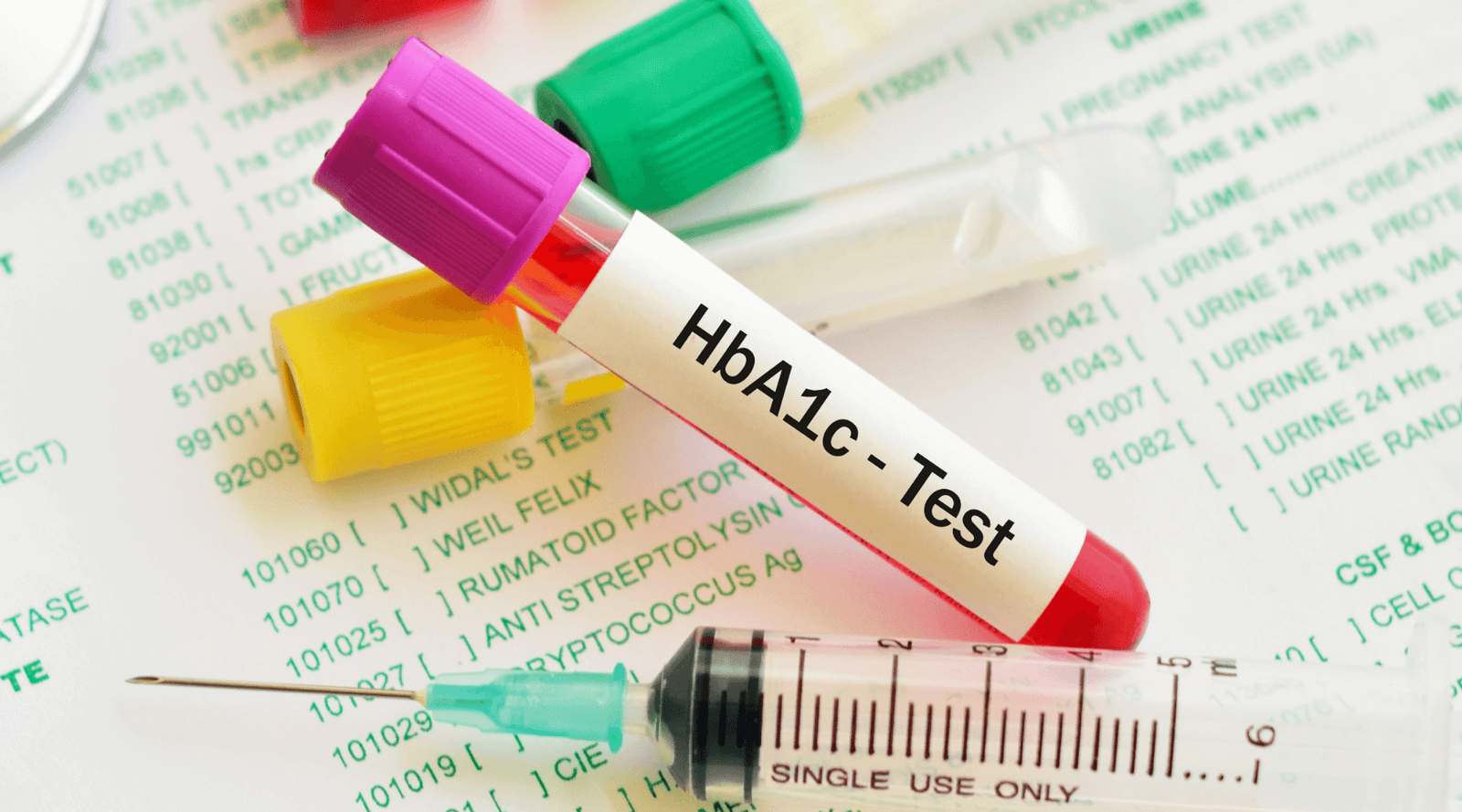
- A blood test settles it. If you notice any of these symptoms, ask your doctor for a fasting glucose or A1C test rather than waiting for the classic symptoms to appear.
What are the unusual symptoms of diabetes?
The unusual symptoms of diabetes are the ones that do not obviously point to blood sugar: darkening of skin areas, sudden changes in vision, unexplained weight loss, feeling unusually fatigued, and slow-healing sores with frequent infections. When we think about diabetes, the first things that often come to mind are high blood sugar levels, excessive thirst, and frequent urination. But, diabetes can manifest through a variety of lesser-known symptoms that might escape our notice until we know what to look for. Understanding these signs can be crucial in recognizing diabetes early and managing it effectively.
Diabetes cloaks itself with a range of symptoms that might not immediately scream "blood sugar issues." The sections below cover each of these lesser-observed indicators, why it happens, and what to do about it. For the classic warning signs, see our guide to the early signs and symptoms of diabetes.
Why does diabetes darken the skin on the neck and armpits?
Diabetes darkens the skin in body folds because high insulin levels, a feature of insulin resistance, stimulate skin cells to grow faster and thicken, producing dark, velvety patches. One of the more unexpected symptoms is the darkening of skin, particularly around the neck and armpits. Medically known as acanthosis nigricans, this condition is often a warning bell for insulin resistance, a hallmark of type 2 diabetes. It may appear before blood sugar is high enough to be called diabetes, which makes it a useful early signal of prediabetes.
If you notice these darkened areas, it is worth reading about insulin resistance and how to improve sensitivity, and asking your doctor for a blood sugar test. The patches often fade when insulin resistance improves.
Can diabetes cause sudden changes in vision?
Yes. Fluctuating blood sugar levels can lead to sudden vision changes because high blood sugar can swell the lenses in the eyes, causing blurry vision. If your glasses suddenly don't seem to work as they used to, it might not just be a prescription issue. Diabetes can affect the fluid levels in your eyes, leading to these sudden changes.
Though this symptom can be temporary, it's essential not to dismiss it, as consistent high blood sugar levels can lead to more severe eye problems over time, including diabetic retinopathy, damage to the blood vessels at the back of the eye. Blurry vision that comes and goes is a reason to have both your eyes and your blood sugar checked.
Why does undiagnosed diabetes cause unexplained weight loss?
Undiagnosed diabetes causes weight loss because the body cannot move glucose into its cells, so it starts burning fat and muscle for energy instead. While losing weight without trying might seem like a welcome surprise, it can be a concern for those with undiagnosed diabetes. Unexplained weight loss, even with a consistent or increased appetite, is a red flag, and it is more pronounced in type 1 diabetes, where insulin production stops. The kidneys also flush excess glucose, and its calories, out in the urine.
Losing weight without trying is different from intentional weight loss as part of diabetes management. If the number on the scale is dropping and you have not changed your diet or activity, see your doctor and ask for a diabetes test.
Is constant fatigue a sign of diabetes?
Constant fatigue can be a sign of diabetes, because when glucose cannot get into your cells, it stays in the bloodstream instead of being converted into energy. Diabetes can significantly impact energy levels. Even after a good night's sleep, one might still feel exhausted. This fatigue arises because the body struggles to convert glucose into energy efficiently.
This symptom is tricky because it's common to a host of other conditions as well, including thyroid problems, anemia, poor sleep and depression. Fatigue on its own is rarely enough to suspect diabetes, but fatigue alongside any other symptom on this page, or alongside thirst and frequent urination, is a good reason to check. Learn why checking your blood sugar matters even when you feel only "a bit run down."
Why do cuts heal slowly and infections keep coming back with diabetes?
Cuts heal slowly in diabetes because high levels of sugar in the blood impair the body's healing process and its ability to fight off infections. Impaired blood flow and high glucose levels create a less-than-ideal environment for healing, making you more prone to infections. If cuts take longer to heal than usual, or you're experiencing more infections than normal, such as skin, gum, bladder or yeast infections, it could be a subtle sign of diabetes.
The feet are where slow healing causes the most trouble, because reduced sensation and circulation can let a small blister become a diabetic foot ulcer before you notice it. Any sore that is not clearly improving within a week or two deserves a medical look, whether or not you have been diagnosed with diabetes.
Which unusual diabetes symptoms need attention first?
Every symptom on this page warrants a conversation with a healthcare provider, but some point to a more urgent problem than others. The table below summarizes each unusual symptom, the mechanism behind it, and the sensible next step.
| Unusual symptom | What it may indicate | What to do |
|---|---|---|
| Dark, velvety skin on the neck, armpits or groin (acanthosis nigricans) | Insulin resistance or prediabetes | Ask your doctor for a fasting glucose or A1C test |
| Sudden blurry vision or a prescription that "stops working" | High blood sugar swelling the lens; possible early eye damage | Blood sugar test plus an eye exam |
| Unexplained weight loss with normal or increased appetite | Body burning fat and muscle for fuel; more common in type 1 | See your doctor promptly; same-week appointment |
| Fatigue that sleep does not fix | Glucose not reaching cells, or another condition such as thyroid disease or anemia | Blood work including glucose and A1C |
| Slow-healing cuts, repeated skin, gum or yeast infections | Impaired circulation and immune response from high blood sugar | Have the wound or infection treated and get tested |
| Weight loss plus nausea, vomiting, stomach pain, fruity-smelling breath or rapid breathing | Possible diabetic ketoacidosis (DKA) | Seek emergency care |
What should you do if you notice unusual symptoms of diabetes?
If you notice unusual symptoms of diabetes, the right step is to get tested rather than wait and watch. Recognizing these unusual symptoms can guide us to seek medical advice and get tested for diabetes. Early diagnosis means we can start managing the condition immediately, reducing the risk of complications. By being aware of these hidden signs, we're better equipped to protect our health and well-being.
Each of these symptoms, while possibly indicative of other health issues, warrants attention and a conversation with a healthcare provider if you suspect something's amiss. Remember, early intervention can significantly alter the course of diabetes and potentially prevent the onset of more severe complications. If your test shows blood sugar that is elevated but not yet in the diabetes range, read about prediabetes symptoms, diagnosis and treatment, because lifestyle changes at that stage can delay or prevent type 2 diabetes.
When should you see a doctor about unusual diabetes symptoms?
See a doctor if you have any one of these unusual symptoms for more than a couple of weeks, or sooner if two or more appear together or alongside increased thirst, frequent urination, or tingling in the hands and feet. Darkened skin folds, unexplained weight loss and sores that will not heal each justify a blood test on their own. Seek emergency care if weight loss or fatigue comes with nausea, vomiting, stomach pain, fruity-smelling breath, confusion or rapid breathing, which can signal diabetic ketoacidosis. It's crucial we listen to our bodies and not dismiss these subtle cues: each symptom is a piece of the puzzle in our overall health picture.
Frequently asked questions about unusual symptoms of diabetes
What are some unusual symptoms of type 2 diabetes?
Unusual symptoms of type 2 diabetes include dark, velvety patches of skin on the neck or armpits, blurry vision that comes and goes, fatigue that sleep does not fix, slow-healing cuts, and frequent skin, gum or yeast infections. Because type 2 diabetes develops slowly, these subtle signs often appear years before the classic thirst and urination. Our guide to the nine signs of type 2 diabetes covers the full list.
Are the unusual symptoms of diabetes different in women?
The core unusual symptoms are the same in women, but women are more likely to notice recurrent vaginal yeast infections and urinary tract infections, because high blood sugar feeds yeast and bacteria. Women may also have polycystic ovary syndrome (PCOS), which is linked to insulin resistance and acanthosis nigricans. Read more in our article on the signs of diabetes in women.
Can you have diabetes with no symptoms at all?
Yes. Many people with type 2 diabetes and most people with prediabetes have no symptoms they recognize, which is why the condition is often found on routine blood work. This is also why subtle signs such as darkened skin or slow-healing cuts matter: they may be the only clue. Adults with risk factors such as excess weight, a family history of diabetes, or a history of gestational diabetes should be screened regularly even if they feel well.
Why does diabetes cause dark skin on the neck?
Diabetes causes dark skin on the neck because high insulin levels, which the body produces to overcome insulin resistance, stimulate skin cells to multiply and thicken, creating the dark, velvety patches of acanthosis nigricans. The patches are not dirt and do not wash off. They often improve as blood sugar and insulin resistance are brought under control.
Can unusual diabetes symptoms go away on their own?
Some symptoms, such as blurry vision, can come and go with blood sugar swings, but the underlying problem does not go away without treatment. Symptoms that improve on their own are easy to dismiss, which allows high blood sugar to keep damaging blood vessels, nerves and eyes in the background. Getting tested is the only way to know whether a symptom that faded was a warning.
References, studies and sources
- Centers for Disease Control and Prevention (CDC). Diabetes Basics. https://www.cdc.gov/diabetes/basics/diabetes.html
- American Diabetes Association. Diabetes Symptoms and Complications. https://diabetes.org/
- National Institute of Diabetes and Digestive and Kidney Diseases (NIDDK). Diabetes: Symptoms and Causes. https://www.niddk.nih.gov/health-information/diabetes
- Mayo Clinic. Diabetes: Symptoms and Causes. https://www.mayoclinic.org/diseases-conditions/diabetes/symptoms-causes/syc-20371444
About the author: Dr. Matthew Capozzi, DPM, FACFAS, CWS, is a board-certified foot surgeon through the American Board of Foot and Ankle Surgery. He is a Diplomate of the American Academy of Wound Management and Fellow of the American College of Foot and Ankle Surgeons. He completed a three-year residency program in Foot and Ankle Reconstructive Surgery at St. Francis Hospital & Medical Center in Hartford, CT in 2010. Dr. Capozzi is a board-certified Wound Specialist® granted by the American Academy of Wound Management.
Healthcare disclaimer: Always consult your physician before beginning any program. This general information is not intended to diagnose any medical condition or to replace your healthcare professional. If you experience any pain or difficulty, stop and consult your healthcare provider. CircuFiber socks are a general wellness product intended to promote a temporary increase in local blood flow and circulation; they are not intended to diagnose, treat, cure, or prevent any disease. Individual results vary.