


Written by Chris Riley · Medically reviewed by the CircuFiber Scientific Advisory Board · Updated: October 28, 2026
The best shoes for diabetic neuropathy have a wide toe box, generous cushioning, a seamless interior, breathable uppers, firm heel support, and adjustable closures. Diabetic neuropathy reduces sensation in the feet, so a shoe that rubs or pinches can cause a blister or sore you do not feel. Choosing footwear for protection and fit first, then style, is one of the simplest ways to lower the risk of foot complications. Pair those shoes with soft, non-binding diabetic socks and check your feet every day.

Key Takeaways
- Diabetic neuropathy changes how you choose shoes. Nerve damage from high blood sugar can dull pain and pressure sensation, so poorly fitting shoes can injure the feet without warning.
- Six features matter most: comfort and cushioning, proper fit with a wide toe box, adjustable closures, heel support, seamless construction, and breathable materials.
- Examples that meet these criteria include the New Balance 928v3, Orthofeet Springfield, Skechers Performance Go Walk 4, and Dr. Comfort Performance-X Therapeutic.
- Socks are part of the system. Seamless, moisture-wicking diabetic socks with a non-binding top reduce friction inside the shoe.
- Get professional help with fit. A podiatrist, professional shoe fitter, or certified pedorthist can measure your feet and recommend shoes or orthotics for your needs.
What is diabetic neuropathy, and why does it matter for shoes?
Diabetic neuropathy is a type of nerve damage that results from persistent high blood sugar levels, and it is a common complication of diabetes, affecting up to 50% of people with diabetes. The symptoms can vary, but often include numbness, tingling, and pain in the hands, feet, or legs. It's essential to know about diabetic neuropathy when selecting footwear, as it can help us make more informed choices.
The reality of living with diabetic neuropathy can be challenging, as it affects the nerves responsible for sensation in various parts of the body, including the legs and feet. We understand that pain, numbness, and other sensory changes can make it difficult for people with diabetic neuropathy to find comfortable and supportive footwear. If your feet already feel numb, read more about numb feet and diabetes.
Types of diabetic neuropathy
There are four main types of diabetic neuropathy, and peripheral neuropathy is the one that most affects footwear choices:
- Peripheral neuropathy: The most common type, affecting the extremities like hands and feet.
- Autonomic neuropathy: Affects the nerves responsible for involuntary bodily functions, such as digestion and bladder control.
- Proximal neuropathy: Involves pain in the thighs, hips, or buttocks and typically affecting one side of the body.
- Focal neuropathy: A sudden and specific nerve dysfunction, which can affect any nerve in the body.
Risk factors for diabetic neuropathy
The main risk factor for diabetic neuropathy is high blood sugar, and understanding the other risk factors can help us take preventive measures. Key risk factors include:
| Risk Factor | Description |
|---|---|
| High blood sugar | The main cause of nerve damage in diabetic neuropathy |
| Long duration | Higher risk with a longer history of diabetes |
| Kidney disease | Damaged kidneys can affect nerve function |
| Smoking | Constricts blood vessels which nourish nerves |
| Obesity | Increases the risk of nerve damage in diabetes |
| High blood pressure | Can damage blood vessels that supply nutrients to nerves |
What features should shoes for diabetic neuropathy have?
Shoes for diabetic neuropathy should prioritize cushioning, support, and proper fit, because these features reduce pressure and friction on feet that may not feel an injury. Selecting the right shoes for diabetic neuropathy is vital, as it directly affects an individual's quality of life, comfort, and mobility. Here are the critical factors to consider when making your selection.
Comfort and cushioning
It's essential to prioritize your feet's comfort, as diabetes can cause various foot conditions, such as sores, blisters, and calluses. Look for shoes with cushioned insoles and soft materials that provide optimal support without causing irritation. Shoes should offer adequate support and cushioning to reduce pressure on the feet. Pressure points are also a common cause of a diabetic foot callus.
Proper fit and a wide toe box
A secure, well-measured fit is crucial for preventing foot complications. Shoes should be wide enough to accommodate any swelling or foot deformities, yet not too loose, as this can lead to blisters. Always opt for footwear that provides ample space, particularly within the toe box, to avoid undue pressure. We recommend visiting a professional shoe fitter or a certified pedorthist to ensure your shoes fit correctly. If swelling is your main concern, see our guide to men's diabetic shoes for swollen feet.
Adjustable closures
Shoes with adjustable features like lace-ups, straps, and Velcro closures can make all the difference, as they allow for customization and can adapt to fluctuations in foot size. Feet can change shape over time due to neuropathy, so adjustability helps the same pair keep fitting properly.
Heel support
Choose shoes with sturdy heel supports, as they can help reduce the risk of foot injuries and ensure proper weight distribution.
Seamless construction and non-binding uppers
Shoes with seamless interiors are an excellent choice, as they can minimize irritation and friction that can lead to blisters or skin breakdown. Non-binding uppers and orthotic-friendly insoles are also worth looking for. Friction is a leading cause of a diabetic toe blister.
Breathability
Your shoes should have breathable materials, like mesh or perforated uppers, which improve air circulation and prevent moisture buildup, reducing the risk of infections.
The table below summarizes why each feature matters:
| Factor | Why It's Important |
|---|---|
| Comfort | Prevents irritation and accommodates foot conditions |
| Proper Fit | Provides support and prevents blisters |
| Adjustable Features | Allows for customization and adapts to foot size fluctuations |
| Heel Support | Enhances weight distribution and reduces injury risk |
| Seamless Construction | Reduces friction and skin breakdown |
| Breathability | Prevents moisture buildup and reduces infection risk |
What are the best shoes for diabetic neuropathy?
The best shoes for diabetic neuropathy are the ones that combine the features above with a fit that suits your own feet; the four models below are examples that strike a balance between comfort, quality, and style. Searching for the perfect shoe to accommodate diabetic neuropathy can be overwhelming, so we've rounded up these top shoes for diabetic neuropathy as a starting point:
- New Balance 928v3: Designed with stability and comfort in mind, these shoes provide strong arch support to help keep your feet comfortable and supported. The leather upper makes them durable, and their seam-free design is a good fit for those dealing with nerve sensitivity.
- Orthofeet Springfield: Our pick for women, these stretchable Mary Jane shoes offer exceptional comfort and support. Their Ortho-Cushion System provides superior cushioning, while the soft interior and wide toe box accommodate foot deformities.
- Skechers Performance Go Walk 4: Lightweight and breathable, these shoes offer a casual aesthetic for everyday wear. They are equipped with 5GEN cushioning and Goga Max insoles for added support.
- Dr. Comfort Performance-X Therapeutic: The unique No-tie elastic lace closure of these sneakers makes them ideal for people with limited mobility. They also come with removable gel insoles, providing an adjustable fit for maximum comfort.
| Shoe | Best for | Key neuropathy-friendly features |
|---|---|---|
| New Balance 928v3 | Stability and everyday walking | Arch support, durable leather upper, seam-free design |
| Orthofeet Springfield | Women who want a dressier style | Stretchable Mary Jane upper, Ortho-Cushion System, wide toe box |
| Skechers Performance Go Walk 4 | Lightweight, casual everyday wear | Breathable upper, 5GEN cushioning, Goga Max insoles |
| Dr. Comfort Performance-X Therapeutic | Limited mobility or difficulty tying laces | No-tie elastic lace closure, removable gel insoles |
When selecting the perfect pair, don't forget to consider the essential shoe features above. Fit varies by person, so try shoes on later in the day when feet are largest, and ask your podiatrist whether therapeutic shoes or orthotics are right for you. Work and specialty footwear matters too; see our guide to diabetic steel toe shoes, and for the house, slippers for swollen diabetic feet.
How else can you protect your feet with diabetic neuropathy?
Good shoes work best alongside blood sugar control and daily foot care, because maintaining good blood sugar control is the most critical factor in preventing or reducing the progression of neuropathy. When it comes to managing diabetic neuropathy, there are several approaches:
- Maintaining good blood sugar control: This is the most critical factor in preventing or reducing the progression of neuropathy.
- Regular exercise: Physical activity helps lower blood sugar levels and improves overall health.
- A healthy diet: A balanced diet focused on whole foods can help manage blood sugar levels.
- Quit smoking: Avoiding tobacco products can improve blood circulation and overall nerve health.
- Foot care: Daily inspection and proper foot hygiene can help prevent complications from neuropathy-related issues.
- Never going barefoot, even at home, so that you do not step on something you cannot feel.
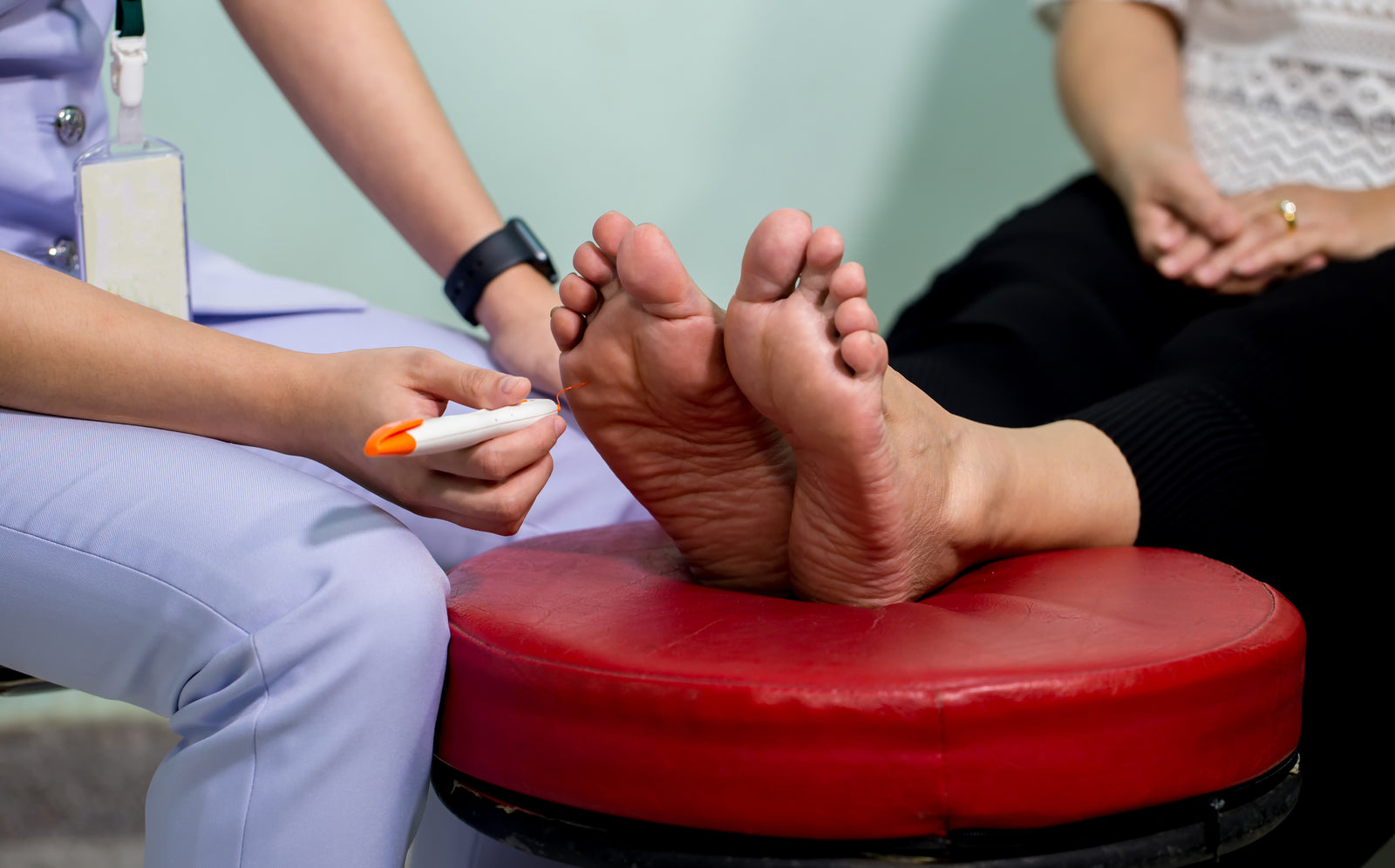
Proper footwear is a significant aspect of foot care for people with diabetic neuropathy. Your doctor should also check your feet at every visit and perform a comprehensive diabetic foot exam at least once a year.
Can diabetic socks help when you wear shoes for neuropathy?
Yes. Diabetic socks complement your shoes by reducing friction and moisture inside them, which matters when neuropathy makes it hard to feel a hot spot forming. A good diabetic sock is seamless, moisture-wicking, and has a non-binding top that does not squeeze the calf or restrict blood flow. Diabetic socks are not the same as compression socks; see our comparison of diabetic socks versus compression socks.
CircuFiber diabetic socks are designed with those features and go a step further. The fabric is woven with Circulight® IR fibers containing thermoreactive mineral particles that absorb your own body heat and reflect it back into the foot as far-infrared energy, which promotes a temporary increase in local blood flow and circulation. In a randomized, double-blinded, placebo-controlled trial at Yale School of Medicine (ClinicalTrials.gov NCT04460612, published in Diabetes & Vascular Disease Research, 2023), the active textile significantly increased transcutaneous oxygen in the feet of people with diabetes compared with a placebo sock, with the difference visible at 40 minutes and significant at 60 minutes. CircuFiber socks also carry the APMA Seal of Acceptance.
What this means in practice: choose shoes with room for your socks, wear clean diabetic socks every day, and treat shoes and socks together as one part of a foot-care routine, not a substitute for it.
When should you see a doctor about shoes for diabetic neuropathy?
See a doctor or podiatrist before buying new shoes if you have diabetic neuropathy, foot deformities, swelling, or a history of foot ulcers, and seek advice from medical professionals or foot care specialists to determine what type of shoes might be best suited for your needs. Call your podiatrist promptly if you find a blister, red mark, cut, or sore after wearing shoes, especially one that is not healing, because these can develop into a diabetic foot ulcer. Not sure who to call? Read who treats diabetic neuropathy.
Frequently asked questions about shoes for diabetic neuropathy
What shoes do podiatrists recommend for neuropathy?
Podiatrists generally recommend shoes with a wide, deep toe box, cushioned and supportive insoles, a seamless interior, firm heel support, and adjustable laces or straps. For people with foot deformities or a history of ulcers, a podiatrist may recommend therapeutic shoes or custom orthotics. A certified pedorthist can then fit them correctly.
Are Skechers good shoes for neuropathy?
Some Skechers models, such as the Skechers Performance Go Walk 4, are lightweight, breathable, and well cushioned, which makes them a reasonable casual option for many people with neuropathy. Whether they suit you depends on your fit, arch support needs, and any foot deformities, so try them on and check your feet for red marks after wearing them.
Are barefoot shoes good for neuropathy?
Barefoot or minimalist shoes are usually not a good choice for diabetic neuropathy because they offer little cushioning and protection, which neuropathy-affected feet need most. If you are interested in them, talk to your podiatrist first.
What are the best shoes for neuropathy and balance?
For balance, look for shoes with a stable, supportive sole, sturdy heel support, and a secure adjustable closure so the foot does not slide inside the shoe. Shoes designed with stability in mind, such as the New Balance 928v3, are one example. If you have frequent falls or unsteadiness, tell your doctor.
Do women and men need different shoes for neuropathy?
The same features matter for everyone: cushioning, a wide toe box, seamless construction, breathability, heel support, and adjustable closures. Women's and men's models differ mainly in sizing and style, such as the Orthofeet Springfield Mary Jane for women. Choose by fit and features first.
References, studies and sources
- Mayo Clinic. Diabetic neuropathy: Symptoms and causes. https://www.mayoclinic.org/diseases-conditions/diabetic-neuropathy/symptoms-causes/syc-20371580
- Centers for Disease Control and Prevention (CDC). Healthy Feet / Diabetes and Your Feet. https://www.cdc.gov/diabetes/library/features/healthy-feet.html
- National Institute of Diabetes and Digestive and Kidney Diseases (NIDDK). What Is Diabetic Neuropathy? https://www.niddk.nih.gov/health-information/diabetes/overview/preventing-problems/nerve-damage-diabetic-neuropathies/what-is-diabetic-neuropathy
- American Diabetes Association. Foot Complications. https://diabetes.org/about-diabetes/complications/foot-complications
- Yale School of Medicine. Randomized, double-blinded, placebo-controlled trial of an infrared textile on transcutaneous oxygen in people with diabetes. ClinicalTrials.gov NCT04460612. https://clinicaltrials.gov/study/NCT04460612
About the author: Chris is one of the Co-Founders of Diabetic.org. An entrepreneur at heart, Chris has been building and writing in consumer health for over 10 years. In addition to Diabetic.org, Chris and his Acme Health LLC Brand Team own and operate Pharmacists.org, Multivitamin.org, PregnancyResource.org, and the USA Rx Pharmacy Discount Card powered by Pharmacists.org.
Chris has a CFA (Chartered Financial Analyst) designation and is a proud member of the American Medical Writer’s Association (AMWA), the International Society for Medical Publication Professionals (ISMPP), the National Association of Science Writers (NASW), the Council of Science Editors, the Author’s Guild, and the Editorial Freelance Association (EFA).
Healthcare disclaimer: Always consult your physician before beginning any program. This general information is not intended to diagnose any medical condition or to replace your healthcare professional. If you experience any pain or difficulty, stop and consult your healthcare provider. CircuFiber socks are a general wellness product intended to promote a temporary increase in local blood flow and circulation; they are not intended to diagnose, treat, cure, or prevent any disease. Individual results vary.