


Written by Dr. Matthew Capozzi, DPM, FACFAS, CWS (board-certified foot surgeon and wound specialist) · Medically reviewed by the CircuFiber Scientific Advisory Board · Updated: October 27, 2026
Purple feet in a person with diabetes usually mean blood is not moving through the feet normally. The most common causes are peripheral artery disease (narrowed arteries that starve the foot of oxygen-rich blood), venous insufficiency (blood pooling in the lower legs), and infection or injury in skin that has lost sensation from diabetic neuropathy. A foot or toe that turns purple or blue suddenly, especially with new pain, coldness, or numbness, can signal a blocked artery and needs emergency care the same day. Gradual, long-standing discoloration still needs a doctor's evaluation, because it points to circulation problems that raise the risk of ulcers, infection, and gangrene.

Key Takeaways
- Purple or bluish feet are a circulation warning sign, not a diagnosis of diabetes on their own. In people with diabetes they most often point to peripheral artery disease (PAD), venous insufficiency, or infection.
- Sudden purple or blue color with pain, coldness, or numbness is an emergency. It can mean an artery to the foot is blocked. Go to the emergency department; do not wait to see if it improves.
- Gradual discoloration still needs a doctor. Restricted blood flow slows healing, so the same problem that colors the skin also raises the risk of foot ulcers, infection, and gangrene.
- Diabetic neuropathy makes it worse because numb feet can be injured or infected without you noticing, and a discolored patch may be the first visible sign.
- What helps: blood sugar control, daily foot checks, walking and low-impact exercise, quitting smoking, and non-binding socks and shoes that do not restrict blood flow.
- Never use hot soaks, heating pads, or tight compression on discolored diabetic feet unless your doctor has specifically approved them.
What does purple feet diabetes mean?
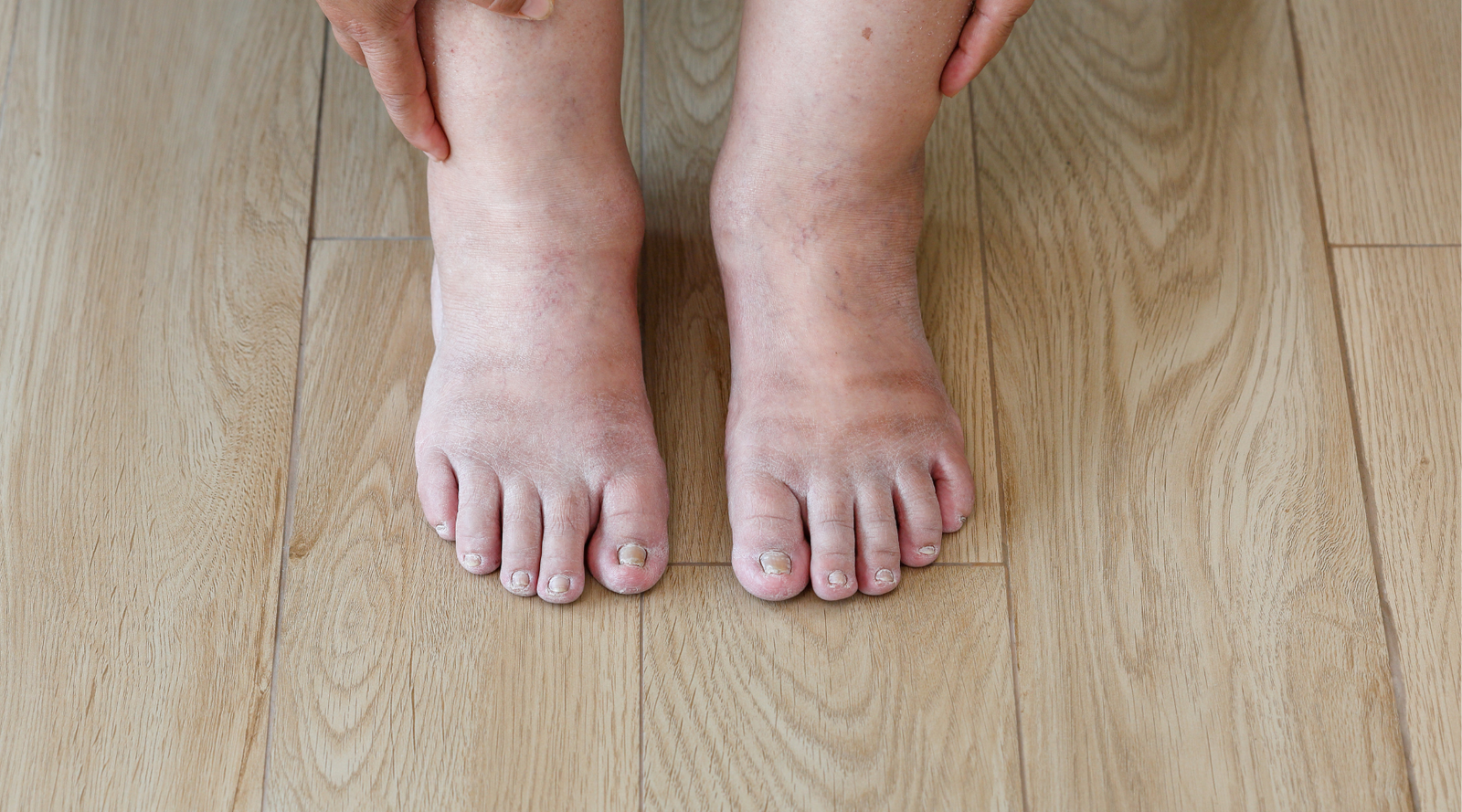
"Purple feet diabetes" refers to a discolored appearance of the feet, typically in shades of purple or dark red, that develops in people with diabetes because blood is not circulating through the feet normally. Purple feet in diabetic patients are often a result of peripheral vascular disease (PVD), which can cause restricted blood flow and poor oxygen delivery to the extremities. Poor circulation, in turn, can lead to discoloration and other complications.
The color itself tells you something. Blood that is low in oxygen is darker, so skin that is not receiving enough fresh arterial blood, or that has blood pooling in it, looks purple, blue, or dusky red instead of pink. The pattern matters too: a single purple toe, a blotchy purple patch over the sole, and purple feet that fade when you lie down each point to different causes, which is why a doctor needs to see them.
Why does diabetes cause purple feet?
Diabetes causes purple feet mainly by damaging blood vessels and nerves. High blood sugar over time causes blood vessels to narrow and harden, resulting in reduced blood flow. When blood flow is restricted, it can cause the skin to turn a bluish-purple color. Purple feet in diabetics can be caused by several factors; the most common causes include poor circulation, peripheral artery disease (PAD), venous insufficiency, infection, and diabetic neuropathy.
Poor circulation and peripheral artery disease (PAD)
Peripheral artery disease (PAD) affects the blood vessels leading to the feet and legs and is the leading cause of purple feet in people with diabetes. This condition is common in diabetics due to high blood sugar levels damaging blood vessels. PAD can cause pain, numbness, and purple discoloration of the feet. According to the American Diabetes Association, about 1 in 3 diabetics over the age of 50 have PAD. Common signs of poor circulation in diabetics include:
- Cold feet
- Swelling
- Pain or cramping, especially in the calves when walking
- Thin, shiny skin and hair loss on the feet and lower legs
The following table shows the main PAD risk factors:
| Risk Factor | Description |
|---|---|
| Age | Risk increases with age |
| Smoking | Smoking damages blood vessels, worsening PAD |
| High blood pressure | Can cause damage to blood vessels |
| High cholesterol | Can cause fatty deposits in the arteries |
Venous insufficiency
Venous insufficiency causes purple feet by letting blood pool in the lower legs instead of returning to the heart. Diabetes may cause veins in the lower extremities to become weak or damaged, preventing proper blood flow and causing a buildup of blood in the area. Feet affected by venous pooling often look purple or reddish-purple when you stand or sit with your legs down, look less discolored when you lie down with your legs raised, and may come with swollen feet and ankles.
Infection
Infection can turn part of a diabetic foot purple, red, or dark because inflamed, damaged tissue changes color. People with diabetes are more susceptible to infections, which can cause discoloration. A purple or dark area that is warm, swollen, draining, or spreading, or that surrounds a cut or sore, should be treated as a possible diabetic foot infection and seen by a doctor right away.
Diabetic peripheral neuropathy
Diabetic neuropathy, specifically peripheral neuropathy, is another possible cause of purple feet in diabetics. Peripheral neuropathy affects the nerves in the feet, causing numbness, pain, and tingling sensations. Poor blood flow can also lead to nerve damage, which may show similar symptoms. Neuropathy rarely colors the skin by itself; its role is that numb feet can be bruised, burned, or infected without you feeling it, so a purple patch is often the first clue that something has gone wrong.
Which purple foot symptoms are an emergency?
Purple feet are an emergency when the color change is sudden and comes with pain, coldness, numbness, or weakness, because that combination suggests an artery to the foot has become blocked and tissue is losing its blood supply. Gradual discoloration is less urgent but still needs an appointment. Use the table below to decide how quickly to act.
| What you notice | What it may indicate | What to do |
|---|---|---|
| One foot or toe suddenly turns purple, blue, or white and feels cold, painful, or numb | Acute arterial blockage (limb-threatening) | Go to the emergency department or call emergency services now |
| Purple or black area that is dry, shrunken, or leathery, or has a foul smell | Tissue death (diabetic foot gangrene) | Seek emergency care the same day |
| Purple, red, or dark skin around a cut, blister, or sore; warmth, swelling, drainage, or fever | Diabetic foot infection | Call your doctor or podiatrist the same day |
| Both feet slowly become dusky purple or blue, with cold feet, calf cramping when walking, or hair loss on the feet | Peripheral artery disease | Book an appointment within days; ask about a circulation test |
| Feet look purple when hanging down and pinker when raised; ankles swell by evening | Venous insufficiency | Book an appointment; elevate legs while resting |
| Small purple, brown, or dark spots that appear over time without pain | Diabetic skin changes or minor bleeding under the skin | Mention at your next visit so the spots can be examined |
What complications can purple feet lead to?
Untreated purple feet can progress to serious complications because the restricted blood flow that causes the color also stops wounds from healing. It's crucial to acknowledge the possible complications of diabetes and take appropriate action. Some potential consequences of untreated purple feet diabetes include:
- Gangrene: The lack of blood supply can cause tissue death, which may necessitate amputation if left untreated.
- Ulcers: Due to nerve damage and poor circulation, people with diabetes have a higher risk of developing diabetic foot ulcers.
- Limited mobility: The discomfort and pain associated with purple feet diabetes can severely impact mobility and overall quality of life.
How are purple feet from diabetes treated?
Treatment for purple feet depends on the cause, so the first step is a medical evaluation to find out whether arteries, veins, infection, or injury are responsible. In terms of purple feet treatment options, it's crucial to consult with a medical professional before attempting any remedies. They may recommend treatments like:
- Tests of blood flow in the legs (such as an ankle-brachial index or ultrasound) and, for significant peripheral artery disease, medication or procedures to restore circulation
- Antibiotics and wound care if an infection or ulcer is present
- Compression therapy for venous insufficiency, only after your doctor has confirmed that arterial blood flow is adequate, because compression can be harmful when arteries are blocked
- Medications to manage pain or treat underlying conditions such as high blood pressure and high cholesterol
- Foot elevation while resting to reduce swelling
Alongside medical treatment, a few key steps at home support circulation and protect the skin:
Keep blood sugar in your target range
Keeping your blood sugar levels in check will help maintain proper circulation and reduce the risk of complications. Regular checkups are essential for individuals with diabetes. Keeping up with doctor appointments and monitoring blood sugar levels closely will significantly reduce the risk of complications related to blood circulation issues in the feet. Maintaining a balanced diet can help keep blood sugar levels in check and minimize the risk of developing purple feet. Some tips for a healthier diet include:
- Reducing the consumption of sugar and refined carbohydrates
- Increasing intake of fruits, vegetables, lean proteins, and whole grains
- Drinking plenty of water to stay hydrated
- Modifying meal sizes and portion control
Move every day to improve blood flow
Exercise plays a crucial role in maintaining blood flow and overall health. Engage in regular physical activity to improve blood flow and lower blood sugar levels. We recommend incorporating low-impact activities into your daily routine, such as:
- Walking
- Swimming
- Yoga
- Stretching exercises
Quitting smoking matters as much as exercise, because smoking damages blood vessels and worsens PAD. For more ideas, read our six ways to improve circulation with diabetes.
Protect the skin with daily foot care
Optimal foot hygiene is vital for preventing infections and complications associated with diabetes. Make it a habit to inspect your feet daily for any changes in color, texture, or signs of injury. This ensures timely treatment and prevents worsening conditions. We suggest that you:
- Examine your feet daily for cuts, sores, blisters, or new areas of discoloration
- Wash your feet daily with warm (not hot) water and mild soap, and check the temperature with your elbow or a thermometer first
- Dry your feet thoroughly, especially between the toes
- Keep your feet moisturized to prevent dry skin and cracks, but avoid applying lotion between the toes
- Trim toenails straight across and file the edges to avoid ingrown toenails
- Avoid heating pads, hot water bottles, and hot soaks, which can burn skin that has reduced sensation
Wear footwear that does not restrict blood flow
Wearing proper footwear is essential for keeping your feet healthy, and it is especially important when circulation is already reduced. We advise that you:
- Opt for shoes with good support, cushioning, and wide toe boxes
- Wear socks that wick moisture away from the skin
- Choose socks with a non-binding top that does not leave a mark on the calf, since tight elastic can further restrict blood flow
- Never go barefoot, even indoors
Can diabetic socks help with purple feet?
Diabetic socks cannot treat the circulation problems that cause purple feet, but they are a sensible daily choice for feet with reduced blood flow or sensation. A good diabetic sock has a non-binding top that does not squeeze the calf or restrict blood flow, is seamless or padded to protect skin that may have lost feeling, and wicks moisture to keep skin dry and less prone to infection. If your doctor has diagnosed peripheral artery disease, ask before wearing any compression product; diabetic socks are not compression socks, and our guide to diabetic socks vs. compression socks explains the difference.
CircuFiber diabetic socks add one more feature. The fabric is woven with Circulight® IR fibers containing thermoreactive mineral particles that absorb your own body heat and reflect it back into the foot as far-infrared energy, which promotes a temporary increase in local blood flow and circulation. In a randomized, double-blinded, placebo-controlled trial at Yale School of Medicine (ClinicalTrials.gov NCT04460612, published in Diabetes & Vascular Disease Research, 2023), the active textile significantly increased transcutaneous oxygen in the feet of people with diabetes compared with a placebo sock, with the difference visible at 40 minutes and significant at 60 minutes. CircuFiber socks also carry the APMA Seal of Acceptance.
What this means in practice: socks are one part of a foot-care routine that starts with a medical evaluation of why your feet are purple. They are not a substitute for that evaluation or for treatment of peripheral artery disease.
When should you see a doctor about purple feet?
See a doctor the same day, or go to the emergency department, if a foot or toe turns purple, blue, or white suddenly, especially with new pain, coldness, numbness, or weakness, or if a purple area is black, foul-smelling, or surrounds a wound with warmth, swelling, drainage, or fever. These signs can mean a blocked artery, gangrene, or a spreading infection, and hours matter for saving tissue. For purple, red, or blue discoloration that has developed gradually, book an appointment within days; it's not necessarily specific to diabetes, but a variety of factors may contribute to it, such as peripheral artery disease, venous insufficiency, or infection, and your doctor can check circulation with simple tests. Every person with diabetes should also have a comprehensive diabetic foot exam at least once a year. If you are not sure who to see, read our guide to choosing a diabetic foot doctor.
Frequently asked questions about purple feet and diabetes
Is purple feet a sign of diabetes?
Purple feet are not a sign of diabetes by themselves, but they are a common sign of the circulation damage that diabetes causes. In someone without a diagnosis, purple or bluish feet alongside increased thirst, frequent urination, slow-healing cuts, or numb and tingling feet are a reason to ask for a blood sugar test. In someone who already has diabetes, they signal that the blood vessels in the legs need to be checked.
Why are my toes turning purple with diabetes?
Toes turn purple when they are not receiving enough oxygen-rich blood, most often because of peripheral artery disease narrowing the arteries to the foot. A single toe that turns purple suddenly and hurts can mean a small clot or blockage and needs emergency care. Toes that are gradually dusky, cold, and slow to heal from small injuries point to long-standing poor circulation and need a doctor's evaluation.
What does it mean if my feet are purple and swollen with diabetes?
Purple feet that are also swollen usually mean blood is pooling in the lower legs from venous insufficiency, although infection and heart or kidney problems can cause the same picture. Elevating your legs while resting often reduces both the swelling and the color. If swelling comes with warmth, redness, pain, or a wound, or affects only one leg, see a doctor the same day.
Can purple feet from diabetes be treated?
Yes. Treatment depends on the cause: peripheral artery disease is managed with blood sugar control, quitting smoking, walking programs, medication, and sometimes procedures to reopen arteries; venous problems respond to elevation and, when approved by a doctor, compression; infections are treated with antibiotics and wound care. Color that comes from reversible causes often improves once blood flow is restored, while long-standing damage is harder to reverse, which is why early evaluation matters.
What tests are done for purple toes from diabetes?
Doctors usually start with a physical exam of pulses, skin temperature, and sensation, then measure blood flow with an ankle-brachial index (comparing blood pressure at the ankle and arm) and, if needed, a Doppler ultrasound of the leg arteries and veins. Blood tests for glucose control, cholesterol, and infection are common, and a wound culture or imaging may be ordered if an ulcer or infection is suspected.
Do purple feet from diabetes go away on their own?
Purple feet caused by poor circulation do not reliably go away without addressing the underlying blood flow problem. Positional purple color from venous pooling may fade when you lie down, but it returns when you stand. Because reduced blood flow also slows healing and raises the risk of ulcers and gangrene, persistent discoloration should always be evaluated rather than waited out.
References, studies and sources
- American Diabetes Association. Foot Complications. https://diabetes.org/about-diabetes/complications/foot-complications
- Cleveland Clinic. Diabetic Feet. https://my.clevelandclinic.org/health/diseases/21510-diabetic-feet
- National Institute of Diabetes and Digestive and Kidney Diseases (NIDDK). Diabetes and Foot Problems. https://www.niddk.nih.gov/health-information/diabetes/overview/preventing-problems/foot-problems
- WebMD. Diabetes and Skin Problems (slideshow). https://www.webmd.com/diabetes/ss/slideshow-diabetes-skin-problems
- Yale School of Medicine. Randomized, double-blinded, placebo-controlled trial of an infrared textile on transcutaneous oxygen in people with diabetes. ClinicalTrials.gov NCT04460612. https://clinicaltrials.gov/study/NCT04460612
About the author: Dr. Matthew Capozzi, DPM, FACFAS, CWS, is a board-certified foot surgeon through the American Board of Foot and Ankle Surgery. He is a Diplomate of the American Academy of Wound Management and Fellow of the American College of Foot and Ankle Surgeons. He completed a three-year residency program in Foot and Ankle Reconstructive Surgery at St. Francis Hospital & Medical Center in Hartford, CT in 2010. Dr. Capozzi is a board-certified Wound Specialist® granted by the American Academy of Wound Management.
Healthcare disclaimer: Always consult your physician before beginning any program. This general information is not intended to diagnose any medical condition or to replace your healthcare professional. If you experience any pain or difficulty, stop and consult your healthcare provider. CircuFiber socks are a general wellness product intended to promote a temporary increase in local blood flow and circulation; they are not intended to diagnose, treat, cure, or prevent any disease. Individual results vary.