

Written by Dr. Matthew Capozzi, DPM, FACFAS, CWS (board-certified foot surgeon and wound specialist) · Medically reviewed by the CircuFiber Scientific Advisory Board · Updated: October 28, 2026
The most common nursing diagnoses for a diabetic foot ulcer are Impaired Tissue Integrity, Risk for Infection, Ineffective Peripheral Tissue Perfusion, and Chronic Pain, with Self-Care Deficit or deficient knowledge added when the patient needs foot-care education. Each diagnosis is built from a focused foot assessment (ulcer size and depth, signs of infection, surrounding skin, blood flow and sensation) and leads to a care plan of wound care, offloading, glycemic control, infection control and patient teaching. The goal is to promote wound healing, prevent complications such as infection and amputation, and keep the patient's feet healthy long term.

Key Takeaways
- Diabetic foot ulcers are open sores or wounds on the feet of people with diabetes, caused mainly by diabetic peripheral neuropathy (loss of sensation) and poor circulation, and made worse by high blood sugar.
- The four core nursing diagnoses are Impaired Tissue Integrity, Risk for Infection, Ineffective Peripheral Tissue Perfusion, and Chronic Pain; Self-Care Deficit is common in patients who cannot inspect or care for their own feet.
- Assessment comes first: measure ulcer size and depth, look for infection, check the surrounding skin, and evaluate blood flow and sensation in the foot.
- The care plan rests on five interventions: wound care, offloading pressure, blood glucose management, infection control, and patient education.
- Reevaluation is continuous: regular wound measurements show whether the ulcer is healing and when the plan needs to change or the patient needs referral to a podiatrist or wound care specialist.
What is a diabetic foot ulcer?
A diabetic foot ulcer is an open sore or wound that develops on the foot of a person with diabetes, and it is a serious and common complication of the disease. These wounds can lead to severe infections or even amputation if not properly managed.
Diabetic foot ulcers occur primarily due to nerve damage and poor circulation. Over time, diabetes can cause damage to nerves in the feet, known as diabetic peripheral neuropathy. This leads to a loss of sensation, making it difficult to notice small cuts or injuries. Additionally, poor circulation caused by diabetes hinders the body's ability to heal wounds efficiently. Both of these factors contribute to the development of foot ulcers.
What are the risk factors for diabetic foot ulcers?
The main risk factors for diabetic foot ulcers are poor glucose control, neuropathy, peripheral arterial disease, foot deformities, and a history of previous ulcers or amputation. Identifying them is the first step in any nursing diagnosis, because they become the "related to" factors in the diagnostic statement.
- Poor glucose control: Uncontrolled blood sugar levels can cause additional damage to nerves and blood vessels, increasing the risk of ulcers.
- Neuropathy: Diabetes-related nerve damage can lead to a loss of sensation in the feet, which makes it difficult to notice injuries, increasing the risk of infection.
- Peripheral arterial disease (PAD): Reduced blood flow to the limbs due to PAD can limit the body's ability to heal wounds and increase the risk of ulceration.
- Foot deformities: Conditions such as hammertoes, bunions, and flat feet can create pressure points on the feet, making it more likely for ulcers to form.
- Previous foot ulcers or amputation: A history of foot ulcers or amputation increases the risk of developing ulcers in the future.
How do you assess a patient for a diabetic foot ulcer nursing diagnosis?
A nursing diagnosis for a diabetic foot ulcer begins with a thorough assessment of the affected foot. Conducting a thorough assessment allows the nurse to identify any signs and symptoms of an early-stage diabetic foot ulcer and decide on the appropriate interventions.
What to look at in the foot
- Size and depth of the ulcer
- Presence of infection
- Surrounding skin condition
- Blood flow to the affected area
- Level of sensation in the foot
Physical examination, diagnostic tests and wound measurement
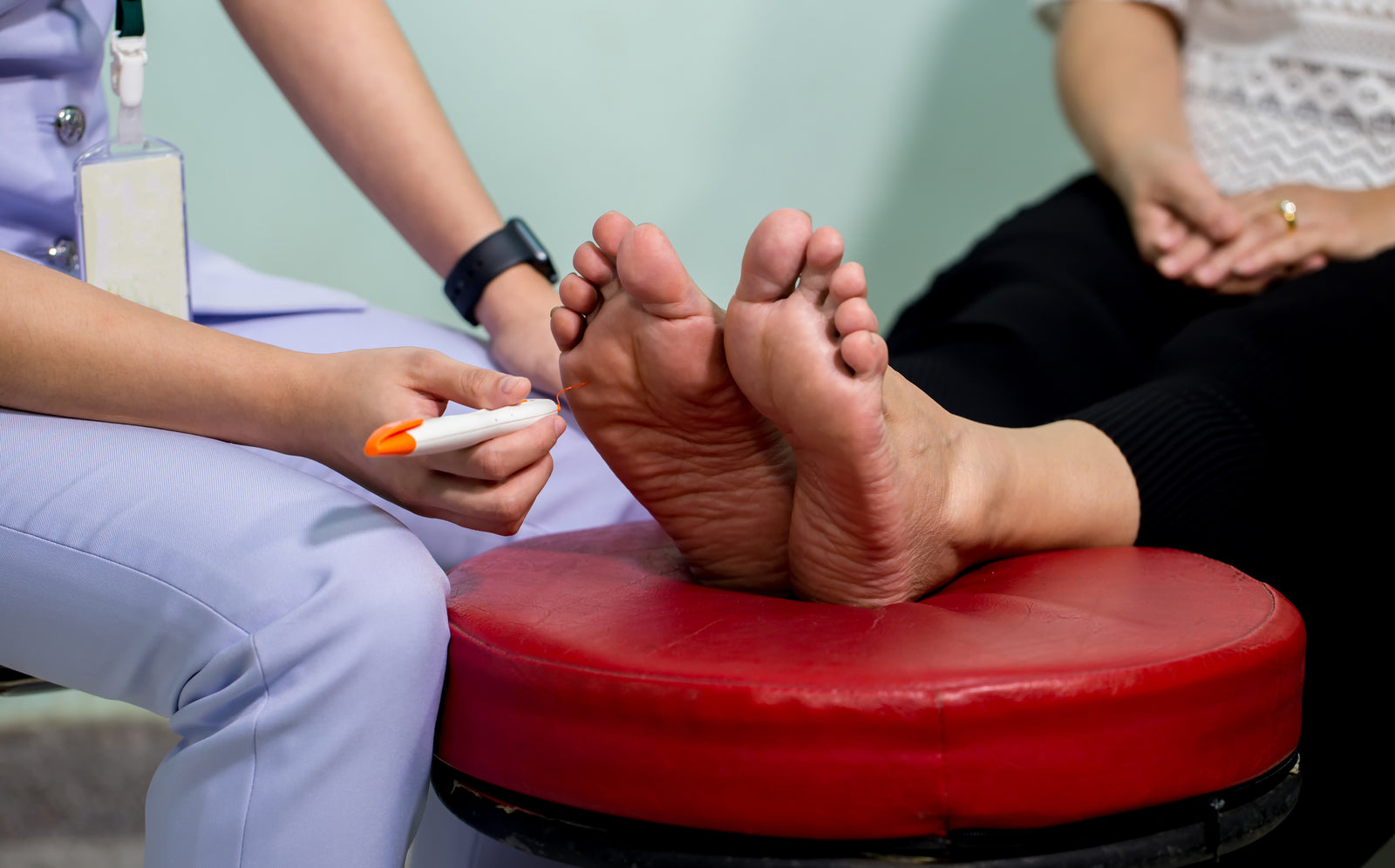
- Physical examination: Assess the appearance and condition of the foot, checking for signs of infection, inflammation, or deep tissue injury.
- Diagnostic tests: Utilize various tests, such as X-rays or MRI scans, to identify the extent of the ulcer and any associated bone infections.
- Wound measurement: Regularly measure the size and depth of the ulcer to track the healing progress and ensure appropriate treatment. Staging systems help describe depth consistently; see the stages of diabetic foot ulcers.
Sensation testing is part of the same assessment; our guide to diabetic neuropathy testing covers the common methods, and what a diabetic foot exam involves describes the full routine exam.
What are the nursing diagnoses for a diabetic foot ulcer?
After the assessment, the nurse identifies the problems related to the ulcer and other factors, such as risk for infection, impaired skin integrity, inadequate blood circulation, altered sensation or pain, and self-care deficit. Using this information, the nurse formulates a nursing diagnosis which will guide the care plan.
Here are some examples of nursing diagnoses for diabetic foot ulcers:
- Risk for infection related to open wound and compromised immune system
- Impaired tissue integrity due to pressure, poor circulation, and neuropathy
- Ineffective peripheral tissue perfusion related to diabetes and vascular disease
- Chronic pain associated with neuropathy and ulceration
What does a nursing care plan for a diabetic foot ulcer look like?
A nursing care plan for a diabetic foot ulcer links each nursing diagnosis to its related factors, the interventions that address it, and the expected outcomes used to evaluate progress. The table below summarizes the diagnoses above in that format; individualize it to each patient's assessment findings and the treating provider's orders.
| Nursing diagnosis | Related factors | Nursing interventions | Expected outcomes |
|---|---|---|---|
| Impaired Tissue Integrity | Pressure, poor circulation, and neuropathy | Provide appropriate dressings and wound care (cleansing, dressing); offload pressure from the affected area; measure ulcer size and depth regularly | Ulcer decreases in size and depth over time; surrounding skin remains intact |
| Risk for Infection | Open wound and compromised immune system; elevated blood glucose | Monitor the wound for signs of infection; administer antibiotic treatment if ordered; teach foot hygiene and self-monitoring for signs of infection | Wound remains free of signs of infection; patient can name the signs of infection to report |
| Ineffective Peripheral Tissue Perfusion | Diabetes and vascular disease (peripheral arterial disease) | Assess blood flow to the affected area; support glycemic control; encourage smoking cessation; coordinate with the provider or vascular specialist as needed | Perfusion findings are stable or improved; changes are reported and escalated promptly |
| Chronic Pain | Neuropathy and ulceration | Assess pain regularly; ensure adequate foot support and comfort; collaborate with the provider on pain management | Patient reports pain at a tolerable level and can take part in self-care |
| Self-Care Deficit / deficient knowledge of foot care | Loss of sensation, limited vision or mobility, or lack of information | Educate the patient on proper foot hygiene, daily foot inspection, footwear, and blood sugar management; involve caregivers | Patient or caregiver demonstrates daily foot inspection and correct foot care |
What nursing interventions help a diabetic foot ulcer heal?
The nursing interventions that help a diabetic foot ulcer heal are wound care, offloading, blood sugar management, infection control, and patient education, tailored to each individual. Once the nursing diagnosis is established, the nurse collaborates with the patient and healthcare team on a comprehensive care plan with specific goals: managing blood glucose levels, providing proper wound care, promoting healthy circulation, and ensuring adequate foot support and comfort.
Wound care
Provide appropriate dressings and wound care techniques to promote healing and prevent infection, including cleansing, dressing, and offloading pressure from the affected area.
Offloading
Recommending specific shoes, insoles or offloading devices can help reduce pressure on the affected areas and promote healing. Encourage the use of specialty footwear for protection and comfort; see shoes for diabetic neuropathy for patient-friendly guidance.
Blood sugar management
Support and educate patients on maintaining glycemic control to reduce complications associated with diabetes. Regularly monitor blood glucose levels and adjust diabetes management as needed; patients can read why checking blood sugar matters.
Infection control
Administer antibiotic treatment if needed and educate patients on foot hygiene and self-monitoring for signs of infection. For escalation and treatment options, see diabetic foot infection management.
Coordinating care
Coordinate with other healthcare professionals, such as a podiatrist or wound care specialist, for additional support. Patients often ask who to see; choosing a diabetic foot specialist explains the options.
How do you evaluate and follow up on the care plan?
Evaluation of a diabetic foot ulcer care plan means continuously monitoring the patient's progress and adapting the plan as needed. This includes:
- Regular wound assessments: Monitor changes in the ulcer's appearance and size to evaluate healing progress and adjust treatment accordingly.
- Patient education: Provide ongoing guidance on foot care, blood sugar management, and signs of infection to support long-term success.
By focusing on these key components, patients receive the best possible care and have the greatest chance of successful recovery from diabetic foot ulcers.
What should you teach patients to prevent diabetic foot ulcers?
Patients with diabetes should be taught to maintain a daily foot care routine, because individuals with diabetes also play a significant role in the prevention and management of diabetic foot ulcers. By taking an active approach to their health, they can minimize the likelihood of developing these painful and potentially life-altering complications. Preventive measures include:
- Inspecting feet daily for cuts, sores, or signs of infection
- Washing feet with mild soap and warm (not hot) water, then drying carefully, including between the toes
- Keeping feet moisturized to avoid dryness and cracking (see cracked feet and diabetes), but not between the toes
- Wearing proper footwear to maintain a comfortable fit and prevent injury, and never going barefoot
- Having regular check-ups with healthcare professionals to monitor foot health
When should a patient with a diabetic foot ulcer see a doctor?
A patient with a diabetic foot ulcer should be seen by a doctor, podiatrist or wound care specialist as soon as the ulcer is found, and again promptly if it is not improving with treatment. Same-day care is needed for signs of infection such as spreading redness, warmth, swelling, drainage, odor, fever, or a wound that suddenly gets larger or deeper; a foot that becomes cold, pale or dark in color needs emergency care. Diabetic foot ulcers can lead to hospitalization or even amputation if not properly cared for, so nurses should escalate changes early rather than wait for the next scheduled review.
Frequently asked questions about nursing diagnosis for diabetic foot ulcers
What is the priority nursing diagnosis for a diabetic foot ulcer?
Impaired Tissue Integrity and Risk for Infection are usually the priority nursing diagnoses for a diabetic foot ulcer, because the open wound is the immediate problem and infection is the most dangerous near-term complication. Priority can shift to Ineffective Peripheral Tissue Perfusion when the assessment shows poor blood flow to the foot. Always prioritize from the individual patient's assessment findings.
What are the top 3 nursing diagnoses for a diabetic foot ulcer?
The three most commonly used nursing diagnoses for a diabetic foot ulcer are Impaired Tissue Integrity related to pressure, poor circulation and neuropathy; Risk for Infection related to the open wound and compromised immune system; and Ineffective Peripheral Tissue Perfusion related to diabetes and vascular disease. Chronic Pain and Self-Care Deficit are frequent additions.
What is the difference between a medical diagnosis and a nursing diagnosis for a diabetic foot ulcer?
The medical diagnosis names the disease or condition, such as "diabetic foot ulcer" or "diabetic foot infection", and guides medical treatment. The nursing diagnosis describes the patient's response to that condition, such as Impaired Tissue Integrity or Self-Care Deficit, and guides the nursing interventions and expected outcomes in the care plan.
What nursing interventions are used for a diabetic foot ulcer?
Core nursing interventions for a diabetic foot ulcer are wound care and dressing changes, offloading pressure from the affected area, blood glucose monitoring, infection control, regular wound measurement, and patient education on foot hygiene and daily inspection. The nurse also coordinates with podiatry and wound care specialists.
How do you evaluate a diabetic foot ulcer nursing care plan?
A diabetic foot ulcer nursing care plan is evaluated by comparing regular wound assessments against the expected outcomes, for example a decrease in ulcer size and depth and no signs of infection. If the ulcer is not improving, the nurse reassesses, adjusts the plan with the healthcare team, and considers referral.
References, studies and sources
- NurseTogether. Diabetic Foot Ulcer Nursing Diagnosis and Care Plan. https://www.nursetogether.com/diabetic-foot-ulcer-nursing-diagnosis-care-plan/
- PubMed. Nursing diagnoses and interventions for diabetic foot ulcers (PMID 30848205). https://pubmed.ncbi.nlm.nih.gov/30848205/
- National Institute of Diabetes and Digestive and Kidney Diseases (NIDDK). Diabetes and Foot Problems. https://www.niddk.nih.gov/health-information/diabetes/overview/preventing-problems/foot-problems
- American Diabetes Association. Foot Complications. https://diabetes.org/about-diabetes/complications/foot-complications
- American Podiatric Medical Association (APMA). Diabetic Wound Care. https://www.apma.org/patients-and-the-public/conditions-affecting-the-foot-and-ankle/diabetic-wound-care/
About the author: Dr. Matthew Capozzi, DPM, FACFAS, CWS, is a board-certified foot surgeon through the American Board of Foot and Ankle Surgery. He is a Diplomate of the American Academy of Wound Management and Fellow of the American College of Foot and Ankle Surgeons. He completed a three-year residency program in Foot and Ankle Reconstructive Surgery at St. Francis Hospital & Medical Center in Hartford, CT in 2010. Dr. Capozzi is a board-certified Wound Specialist® granted by the American Academy of Wound Management.
Healthcare disclaimer: Always consult your physician before beginning any program. This general information is not intended to diagnose any medical condition or to replace your healthcare professional. If you experience any pain or difficulty, stop and consult your healthcare provider. CircuFiber socks are a general wellness product intended to promote a temporary increase in local blood flow and circulation; they are not intended to diagnose, treat, cure, or prevent any disease. Individual results vary.