

Written by Chris Riley · Medically reviewed by the CircuFiber Scientific Advisory Board · Updated: October 27, 2026
Yes, you can have neuropathy without diabetes. Non-diabetic neuropathy is nerve damage caused by something other than high blood sugar, most often vitamin B12 deficiency, autoimmune disease, infection, chemotherapy and other medications, alcohol misuse, toxins, inherited disorders, or physical nerve injury. The symptoms (numbness, tingling, burning pain, weakness, and balance problems in the hands or feet) look much like diabetic neuropathy, so diagnosis starts by ruling diabetes out and then finding the real cause, which is what treatment is built around.

Key Takeaways
- Neuropathy is not only a diabetes problem. Although diabetic neuropathy is the most common form, people without diabetes can also experience nerve damage.
- The most common non-diabetic causes are vitamin deficiencies (especially B12), autoimmune diseases such as lupus and rheumatoid arthritis, infections such as Lyme disease and hepatitis C, chemotherapy and certain other medications, inherited disorders such as Charcot-Marie-Tooth disease, toxins including alcohol and heavy metals, and nerve injury.
- The symptoms are the same as diabetic neuropathy: numbness or tingling in the hands or feet, burning or shooting pain, sensitivity to touch, muscle weakness, and trouble with balance.
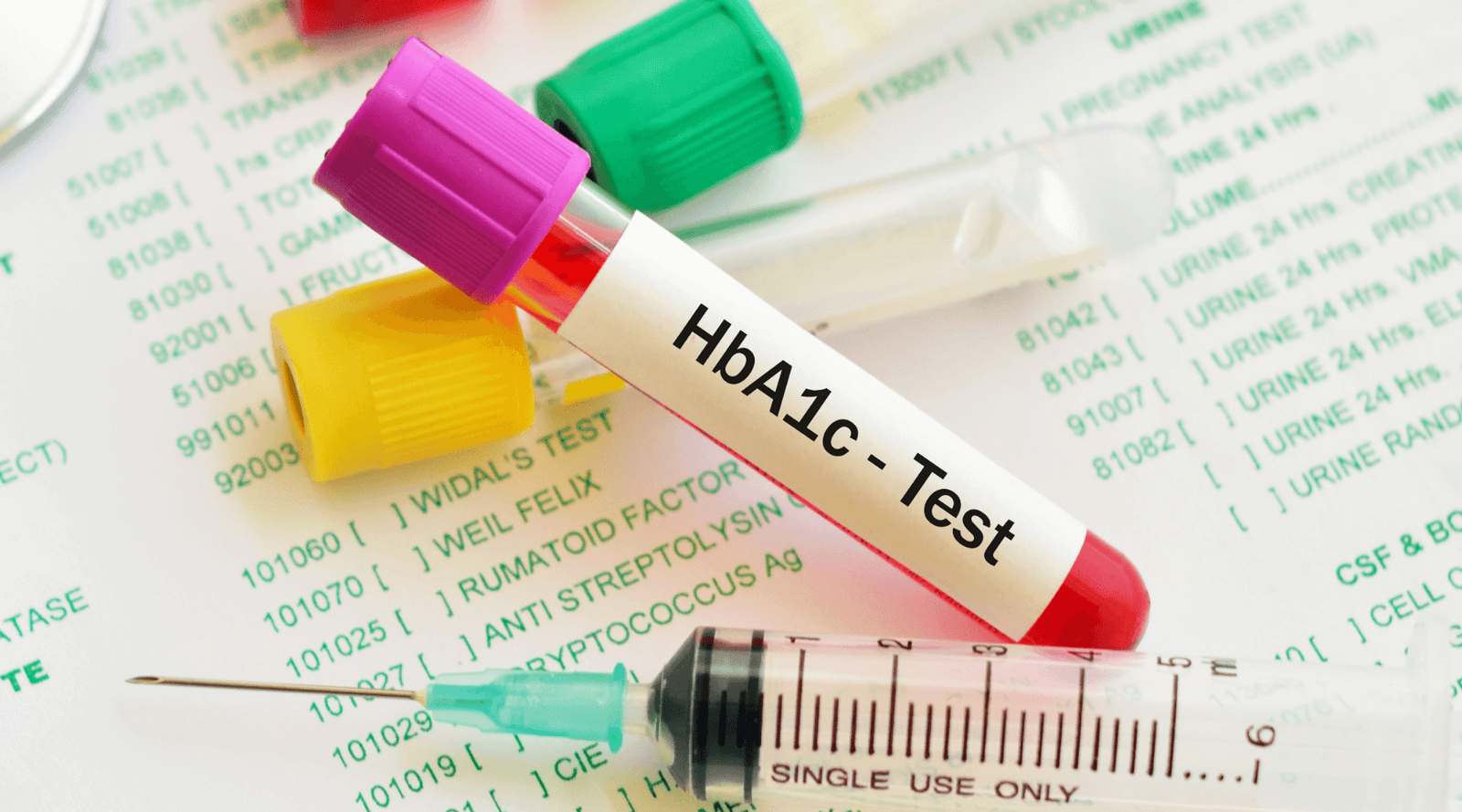
- Diagnosis means ruling out diabetes first (an A1C or other glucose test), then blood tests, a neurological exam, and sometimes nerve conduction studies or electromyography (EMG) to find the underlying cause.
- Treatment targets the cause (for example, replacing a missing vitamin or changing a medication) plus symptom relief with medication, physical therapy, and daily self-care.
- Protect feet that have lost sensation: inspect them daily, wear well-fitted shoes and soft, moisture-wicking socks, and see a doctor for any sore that is not healing.
Can you have neuropathy without diabetes?
Yes. Neuropathy, a nerve disorder that can cause a variety of unpleasant symptoms, isn't always related to diabetes. In fact, non-diabetic neuropathy affects many people who don't suffer from diabetes. Although diabetic neuropathy is the most common form, people without diabetes can also experience nerve damage. Non-diabetic neuropathy can manifest itself in various forms, such as sensory, motor, or autonomic neuropathy. Symptoms can range from mild to severe, depending on the specific case, and may include numbness, tingling sensations, burning pain, loss of coordination, and muscle weakness. With proper treatment and management, individuals experiencing this condition have the potential to improve their quality of life substantially.
If you want to compare the two conditions side by side, our guide to diabetic neuropathy types and management covers the diabetes-related form in detail.
What causes neuropathy in feet without diabetes?
Neuropathy without diabetes is caused by anything else that damages peripheral nerves: nutritional deficiencies, autoimmune diseases, infections, medications, toxins, inherited disorders, other medical conditions, or direct nerve injury. There are numerous potential causes for non-diabetic neuropathy. These can include vitamin deficiencies, autoimmune diseases, kidney or liver diseases, hormonal imbalances, and infections, among others. Additionally, exposure to certain toxins or taking specific medications can also lead to this condition. By understanding the underlying cause, it becomes easier to recommend the appropriate treatment and care for individuals dealing with non-diabetic neuropathy.
Nutritional deficiencies
A lack of crucial nutrients, particularly vitamin B12, can cause damage to peripheral nerves. Folic acid deficiency is another common nutritional cause. Excessive alcohol consumption can cause vitamin deficiencies, leading to neuropathy.
Autoimmune diseases and infections
Autoimmune diseases like rheumatoid arthritis and lupus can contribute to the development of neuropathy. Some infections, such as Lyme disease, hepatitis C, or HIV/AIDS, may result in nerve damage.
Medications and toxins
Certain medications, notably chemotherapy drugs and certain antibiotics, may have neuropathy as a side effect. Harmful substances, such as heavy metals, chemicals, alcohol misuse, or environmental sources, can also lead to nerve damage.
Genetic disorders and other medical conditions
Inherited disorders like Charcot-Marie-Tooth disease cause neuropathy that runs in families. Various other disorders, such as hypothyroidism, kidney disease, or liver disease, can contribute to nerve dysfunction.
Nerve injury
Even minor trauma like compression or repetitive stress can lead to neuropathy. Structural problems such as compression of nerves due to spinal problems are a common example.
Who is at risk of non-diabetic neuropathy?
The people most likely to develop non-diabetic neuropathy are older adults, people who smoke or drink heavily, people who are sedentary, and people with a family history of neuropathy. It's crucial to be aware of the risk factors associated with non diabetic neuropathy as they can significantly impact one's overall health. Below are some notable risk factors:
- Age: Older adults are at a higher risk of developing neuropathy.
- Lifestyle: Those with sedentary lifestyles may be more vulnerable to nerve disorders.
- Smoking: Smokers tend to have poorer blood circulation, which can increase the risk of nerve damage.
- Alcohol abuse: Excessive alcohol consumption can cause vitamin deficiencies, leading to neuropathy.
- Family history: Individuals with a family history of neuropathy are at a higher risk of developing the condition.
Addressing and managing the causes and risk factors of non diabetic neuropathy is essential for reducing the likelihood of developing the condition. Early detection and appropriate treatment can make a significant difference in preventing complications and improving quality of life.
What are the symptoms of non-diabetic neuropathy?
The symptoms of non-diabetic neuropathy are numbness, tingling, burning or shooting pain, sensitivity to touch, muscle weakness, and balance problems, usually starting in the hands or feet. Like diabetic neuropathy, the symptoms of non-diabetic neuropathy can vary widely based on the affected nerves. Common symptoms include:
- Numbness or tingling, usually in the hands or feet
- Pain, often burning or shooting sensations
- Muscle weakness or loss of muscle control
- Loss of sensation or reduced sensitivity to touch
- Extreme sensitivity to touch
- Balance or coordination problems
It's essential to note that symptoms may vary depending on the specific type of neuropathy, like peripheral neuropathy, autonomic neuropathy, or others. They may also differ in intensity and duration. The table below pairs common clues with the cause they often point to and the test your doctor is likely to order.
| Clue alongside numbness or tingling | Cause it may point to | How it is usually checked |
|---|---|---|
| Fatigue, pale skin, memory or mood changes, vegan diet, or stomach surgery | Vitamin B12 or folic acid deficiency | Blood tests |
| Joint pain, rashes, or a known autoimmune diagnosis | Autoimmune disease (lupus, rheumatoid arthritis) | Blood tests, neurological exam |
| Recent tick bite, hepatitis C, or HIV | Infection-related neuropathy | Blood tests |
| Symptoms began after starting chemotherapy or a new medication | Medication side effect | Medication review with your prescriber |
| Heavy alcohol use or workplace chemical exposure | Toxic neuropathy | History, blood tests |
| Relatives with the same symptoms, high arches, or foot deformities | Inherited neuropathy (Charcot-Marie-Tooth disease) | Neurological exam, nerve conduction studies, genetic testing |
| Back or neck pain, symptoms in one limb or one side | Nerve compression or injury | X-rays or MRI, nerve conduction studies and EMG |
| Increased thirst, frequent urination, slow-healing cuts | Undiagnosed diabetes or prediabetes | A1C or other glucose tests |
How is non-diabetic neuropathy diagnosed?
Non-diabetic neuropathy is diagnosed by taking a medical history, examining the nerves and muscles, running blood tests, and, when needed, ordering imaging or nerve conduction studies, with diabetes ruled out early in the process. Non-diabetic neuropathy can be challenging to diagnose because it often resembles diabetic neuropathy or other conditions. A proper diagnosis is crucial for designing an appropriate treatment plan. When evaluating a patient for non-diabetic neuropathy, a healthcare provider considers several factors:
Patient's medical history: The doctor asks about symptoms, family history, lifestyle, and possible exposure to toxins or infections.
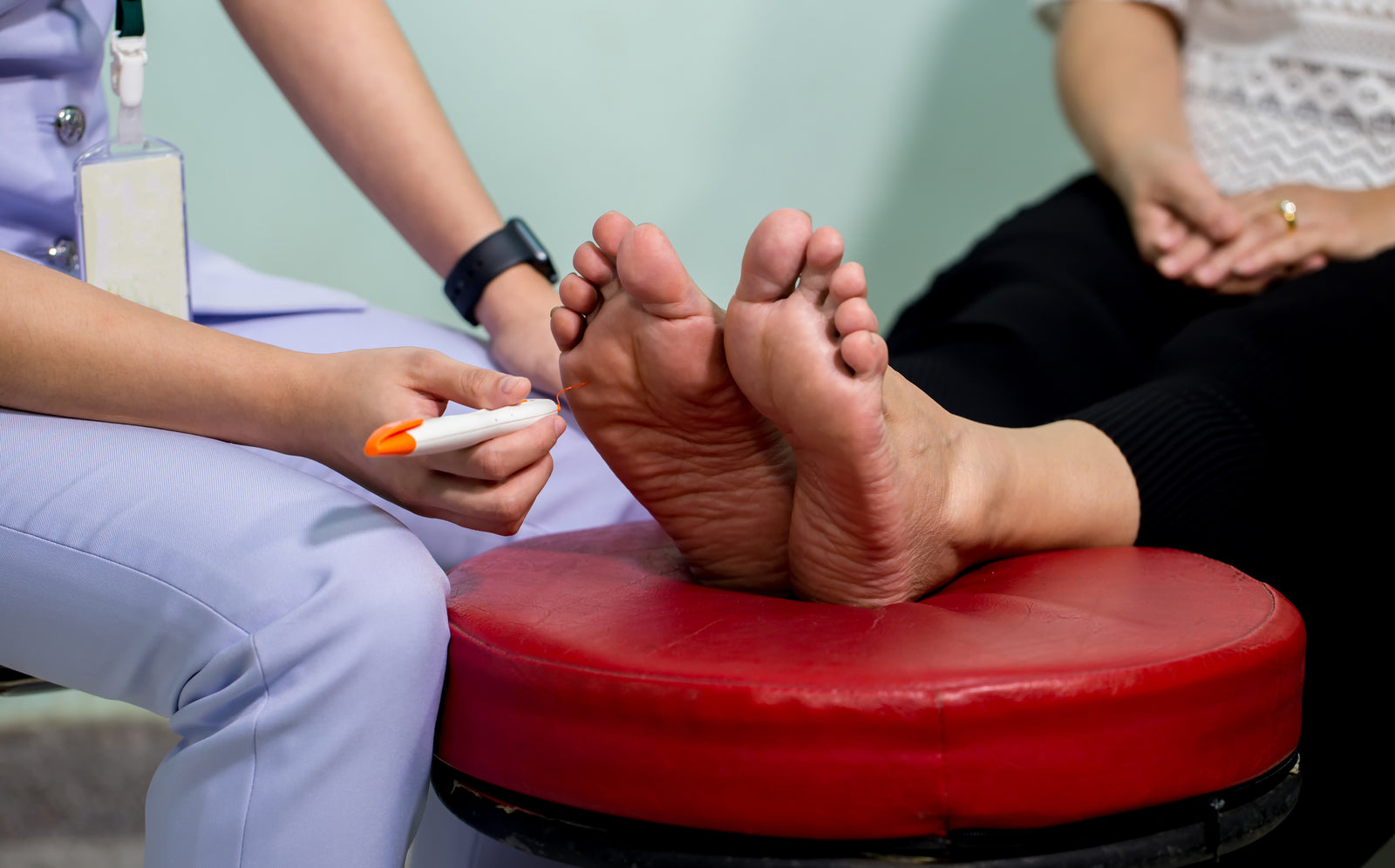
Physical and neurological examinations: These exams check for muscle weakness, loss of sensation, and reduced reflexes.
Blood tests: Blood tests might reveal vitamin deficiencies, kidney or liver issues, or other conditions that could contribute to neuropathy.
Imaging studies: X-rays or MRIs can help detect structural abnormalities, such as compression of nerves due to spinal problems.
Nerve conduction studies and electromyography (EMG): These tests measure the electrical activity of muscles and nerves, providing information about nerve damage severity.
It's essential to rule out diabetes as the cause of neuropathy. To do this, healthcare providers may perform an A1C test or other glucose monitoring tests. Our guides to understanding diabetes tests and diagnosis and diabetic neuropathy testing explain what each of these tests involves.
How do you treat neuropathy that is not caused by diabetes?
Treatment for non-diabetic neuropathy focuses first on the underlying cause and then on relieving symptoms with medication, physical therapy, nutrition, and daily self-care. Once a diagnosis is confirmed, treatment will focus on addressing the underlying cause of the neuropathy. For example, if a vitamin deficiency is the cause, supplementation might be recommended. It's crucial to remember that treatment for non-diabetic neuropathy will vary depending on the root cause and individual needs. Work closely with your healthcare provider to develop a personalized treatment plan.
Medications for symptom relief
Medications are often prescribed to help alleviate symptoms. Some of the medications commonly used include:
- Over-the-counter pain relievers like acetaminophen, ibuprofen, or naproxen
- Prescription medications such as gabapentin, pregabalin, or amitriptyline (anticonvulsants and antidepressants that calm nerve pain signals)
- Topical treatments like capsaicin cream or lidocaine patches
It's crucial to consult with a healthcare professional to determine the most suitable medication for your specific needs. Many of the same options are used for diabetic nerve pain; see our overview of diabetic neuropathy treatment options.
Physical therapy
Another treatment option is physical therapy. Through various exercises and stretches, a physical therapist can help improve muscle strength, coordination, and joint stability, ultimately reducing pain and preventing further nerve damage.
Managing underlying conditions
Managing underlying conditions is also an essential part of treating non-diabetic neuropathy. These may include:
- Keeping blood pressure in check
- Maintaining healthy cholesterol levels
- Taking steps to improve blood circulation, such as regular exercise
- Avoiding exposure to toxins or limiting alcohol intake
Nutritional support
Nutritional support is vital for those with non-diabetic neuropathy. Eating a balanced diet, rich in vitamins and minerals, can play a significant role in nerve health. Some studies suggest that vitamin B12, vitamin D, and alpha-lipoic acid may support nerve function, particularly when a deficiency is present. Talk to your doctor before adding supplements to your routine. For more on home-based approaches, read our guide to natural home remedies for neuropathy.
What self-care helps with non-diabetic neuropathy?
Daily self-care for non-diabetic neuropathy means protecting feet that may have lost sensation, staying active, and managing stress. Living with non-diabetic neuropathy can be challenging, but there are strategies that can help:
- Monitoring feet for injuries on a daily basis, due to potential loss of sensation. Inspecting your feet daily helps catch any cuts, blisters, or infections early.
- Wearing supportive shoes that are well-fitted and comfortable, along with soft, moisture-wicking socks. Our guide to shoes for neuropathy explains what to look for.
- Physical therapy to improve balance and mobility.
- Engaging in low-impact exercises, like swimming or walking, to support your overall health.
- Maintaining a healthy lifestyle through regular exercise and a balanced diet, which can promote nerve health.
- Prioritizing stress reduction techniques, such as yoga, meditation, or deep breathing.
Many of the same habits apply whether or not diabetes is the cause; our diabetic neuropathy self-care guide goes into more depth.
Can diabetic socks help with non-diabetic neuropathy?
Diabetic socks can be a comfortable choice for anyone with neuropathy, whether or not they have diabetes, because they are designed for feet with reduced sensation. A good diabetic sock has a non-binding top that does not squeeze the leg, a seamless or padded construction that reduces rubbing on skin you may not fully feel, and moisture-wicking fibers that keep feet dry and warm. CircuFiber diabetic socks are built this way and carry the APMA Seal of Acceptance. They are a comfort and warmth aid, not a treatment for neuropathy; the treatment is working with your doctor on the underlying cause.
When should you see a doctor about neuropathy without diabetes?
See a doctor as soon as you notice persistent numbness, tingling, burning pain, weakness, or balance problems in your hands or feet, because many non-diabetic causes are easiest to treat when caught early. Seek care promptly if symptoms come on suddenly, spread quickly, affect only one side, follow a new medication or chemotherapy, or come with a cut, blister, or sore on the foot that is not healing. It's essential for individuals experiencing neuropathy to consult with a healthcare professional to correctly identify the underlying cause and develop a comprehensive treatment plan. Not sure which specialist to see? Read who treats neuropathy.
Frequently asked questions about non-diabetic neuropathy
Can you have peripheral neuropathy without diabetes?
Yes. Peripheral neuropathy means damage to the nerves outside the brain and spinal cord, and diabetes is only one of many causes. Vitamin B12 deficiency, autoimmune disease, infections, chemotherapy, alcohol misuse, inherited disorders, and nerve compression all cause peripheral neuropathy in people with normal blood sugar.
What causes neuropathy in feet without diabetes?
The feet are affected first because the longest nerves are damaged first. In people without diabetes, the most common causes of foot neuropathy are vitamin B12 deficiency, heavy alcohol use, chemotherapy and certain other medications, autoimmune and infectious diseases, inherited neuropathies such as Charcot-Marie-Tooth disease, and nerve compression from spinal problems. If the feet feel numb rather than painful, our article on numb feet covers what that can mean.
Can non-diabetic neuropathy be reversed?
Sometimes. Neuropathy caused by a vitamin deficiency, a medication, or a compressed nerve can improve, and occasionally resolve, once the cause is corrected, because peripheral nerves can regrow slowly. Neuropathy from inherited disorders or long-standing damage is usually managed rather than reversed. For comparison, see whether diabetic neuropathy can be reversed.
Does alpha-lipoic acid help non-diabetic neuropathy?
Some studies suggest alpha-lipoic acid may support nerve function, but most of that research was done in people with diabetic neuropathy, and the evidence for non-diabetic neuropathy is limited. Talk to your doctor before taking it, especially if you take other medications.
What are the types of non-diabetic neuropathy?
Non-diabetic neuropathy can manifest itself in various forms, such as sensory, motor, or autonomic neuropathy. Sensory neuropathy affects feeling (numbness, tingling, pain), motor neuropathy affects muscle control and strength, and autonomic neuropathy affects automatic functions such as blood pressure, sweating, and digestion. Many people have a mix of sensory and motor symptoms.
How do doctors tell diabetic and non-diabetic neuropathy apart?
They start with blood sugar. An A1C test or other glucose test shows whether diabetes or prediabetes is present. If blood sugar is normal, blood tests for vitamin levels, thyroid function, kidney and liver function, and autoimmune or infectious markers, plus a review of medications and family history, point toward the non-diabetic cause.
References, studies and sources
- Mayo Clinic. Peripheral neuropathy: Symptoms and causes. https://www.mayoclinic.org/diseases-conditions/peripheral-neuropathy/symptoms-causes/syc-20352061
- National Institute of Diabetes and Digestive and Kidney Diseases (NIDDK). Peripheral Neuropathy. https://www.niddk.nih.gov/health-information/diabetes/overview/preventing-problems/nerve-damage-diabetic-neuropathies/peripheral-neuropathy
- Mayo Clinic. Diabetic neuropathy: Symptoms and causes. https://www.mayoclinic.org/diseases-conditions/diabetic-neuropathy/symptoms-causes/syc-20371580
- American Diabetes Association. Neuropathy. https://diabetes.org/about-diabetes/complications/neuropathy
About the author: Chris Riley is one of the Co-Founders of Diabetic.org. An entrepreneur at heart, Chris has been building and writing in consumer health for over 10 years. In addition to Diabetic.org, Chris and his Acme Health LLC Brand Team own and operate Pharmacists.org, Multivitamin.org, PregnancyResource.org, and the USA Rx Pharmacy Discount Card powered by Pharmacists.org. Chris has a CFA (Chartered Financial Analyst) designation and is a proud member of the American Medical Writer’s Association (AMWA), the International Society for Medical Publication Professionals (ISMPP), the National Association of Science Writers (NASW), the Council of Science Editors, the Author’s Guild, and the Editorial Freelance Association (EFA).
Healthcare disclaimer: Always consult your physician before beginning any program. This general information is not intended to diagnose any medical condition or to replace your healthcare professional. If you experience any pain or difficulty, stop and consult your healthcare provider. CircuFiber socks are a general wellness product intended to promote a temporary increase in local blood flow and circulation; they are not intended to diagnose, treat, cure, or prevent any disease. Individual results vary.