

Written by Dr. Matthew Capozzi, DPM, FACFAS, CWS (board-certified foot surgeon and wound specialist) · Medically reviewed by the CircuFiber Scientific Advisory Board · Updated: October 27, 2026
Type 2 diabetes can often be prevented or delayed by losing a modest amount of excess weight, moving your body regularly, eating a diet built on whole foods and fiber, and keeping an eye on your blood sugar. Genetics and age raise your risk, but the daily choices you control, what you eat, how much you move, how you manage stress and whether you get screened, have the biggest effect on whether prediabetes progresses to diabetes. Type 1 diabetes, an autoimmune condition, cannot currently be prevented.

Key Takeaways
- Type 2 diabetes is largely preventable. Diet, physical activity and weight management can prevent or delay it, even in people with a family history. Type 1 diabetes cannot be prevented.
- Know your risk factors: family history, age, ethnicity, excess weight, inactivity, a history of gestational diabetes and prediabetes all raise your risk.
- Eat whole foods, fiber-rich plant foods and unsaturated fats while limiting refined carbohydrates, sugary drinks and saturated fat.
- Losing even a small percentage of body weight and getting regular physical activity can cut the risk of type 2 diabetes by about half.
- Get screened. A simple blood test shows whether you have prediabetes, which is the window in which prevention works best.
- Manage stress and seek support, because stress hormones raise blood sugar and make healthy habits harder to keep.
Can diabetes be prevented?
Type 2 diabetes, which accounts for the large majority of diabetes cases, can be prevented or delayed in most people through lifestyle changes; type 1 diabetes cannot. Diabetes is a condition that affects your body’s ability to manage blood sugar, and it often lurks in the shadows, silently setting up camp in your body. However, with knowledge comes power – by understanding the risk factors such as genetics, age, and lifestyle choices, you can create a shield against diabetes. If you are not sure where you stand, start with our guide to prediabetes symptoms, diagnosis and treatment, because prediabetes is the stage where prevention has the greatest effect.
What are the risk factors for diabetes?
The main risk factors for type 2 diabetes are genetics, age, ethnicity, excess weight, physical inactivity and a history of gestational diabetes. Some of these you cannot change, but most of the risk comes from the ones you can.
| Risk factor | Can you change it? | What to do |
|---|---|---|
| Family history of diabetes | No | Get screened earlier and more often; focus on the factors you can control |
| Age 35 and older | No | Ask your doctor for a blood sugar test at routine visits |
| Ethnicity (higher risk in Black, Hispanic/Latino, American Indian, Asian American and Pacific Islander people) | No | Know your risk and screen early |
| Excess weight, especially around the waist | Yes | Lose a modest amount of weight with diet and activity |
| Physical inactivity | Yes | Aim for at least 150 minutes of moderate activity a week |
| Diet high in refined carbohydrates and sugary drinks | Yes | Switch to whole foods, fiber-rich plant foods and water |
| History of gestational diabetes | No (but the follow-on risk is) | Postpartum screening, then screening every 1–3 years |
| Prediabetes | Yes | Join a diabetes prevention program; it can stop progression |
Genetic predisposition
Your genetic makeup, passed down through generations, can predispose you to developing diabetes, and certain ethnicities are more likely to develop diabetes. But genetics is not destiny. With a healthy lifestyle, you can turn the tables on your genetic predisposition and keep diabetes at bay.
Age and diabetes risk
The risk of developing type 2 diabetes rises with age, which is why screening is recommended for adults from age 35, or earlier if other risk factors are present. Age is just a number, and by adopting healthy habits early on, you can keep diabetes at bay, no matter what the calendar says.
Lifestyle choices and diabetes risk
The choices you make every day have the largest effect on your diabetes risk. The food you eat, the time you spend on the couch, and even the hours you sleep – all of these lifestyle choices can significantly impact your risk of developing diabetes. But here’s the good news – you’re the master of your choices. By choosing wisely, you can significantly reduce your diabetes risk.
What should you eat to prevent diabetes?
A diet high in fruits, vegetables, whole grains, legumes and nuts, with unsaturated fats in place of saturated fats and water in place of sugary drinks, is the eating pattern most consistently linked to a lower risk of type 2 diabetes. Think of your body as a high-performance vehicle. What you put in your fuel tank matters, and the same goes for your body. For a practical plan, see our guide to crafting a diabetic diet plan.
Whole foods and blood sugar control

Whole foods help prevent diabetes because they are digested more slowly and do not spike blood sugar the way refined foods do. By eating whole foods, you’re providing your body with essential nutrients, fiber, and antioxidants that work in harmony to regulate your blood sugar levels and enhance insulin sensitivity. Whole foods are also beneficial for your overall health and wellbeing.
Fiber-rich plant foods
Fiber is the unsung hero of a healthy diet. It slows digestion, reduces blood sugar spikes, and helps you feel full longer – a trifecta of benefits for diabetes prevention. So, go ahead and pile your plate with fiber-rich plant foods like whole grains, fruits, vegetables, and legumes. These foods are packed with vitamins, minerals, and antioxidants that can help reduce inflammation.
Choosing healthy fats
Not all fats are created equal. While saturated fats can increase your risk of heart disease and diabetes, unsaturated fats – the good guys – can promote healthy blood cholesterol levels and good heart health. So, choose your fat wisely, opting for sources of monounsaturated and polyunsaturated fats such as olive oil, nuts, seeds, avocado and fatty fish.
How does losing weight help prevent diabetes?
Losing a modest amount of excess weight is the single most effective step for preventing type 2 diabetes, because excess body fat makes your cells less responsive to insulin. When your weight tips towards obesity, it can make you susceptible to type 2 diabetes. The key to preventing diabetes is achieving and maintaining a healthy weight. Our guide to weight loss strategies for diabetes covers the practical steps.
The connection between weight and diabetes risk
Excess weight can act like a stubborn lock, preventing insulin from opening the door to your cells to let glucose in. This can lead to higher blood sugar levels and increase your risk of developing type 2 diabetes. By maintaining a healthy weight, you can keep this lock functioning smoothly and reduce your diabetes risk.
Tips for losing weight safely
Losing weight is like embarking on a journey. It requires a map (a well-planned diet), a compass (regular exercise), and a lot of determination. Even losing a small percentage of your current weight can have a huge impact on your health: in the Diabetes Prevention Program study, people with prediabetes who lost about 5–7% of their body weight and exercised regularly reduced their risk of type 2 diabetes by more than half.
Staying motivated to maintain a healthy weight
Maintaining a healthy weight is not a sprint; it’s a marathon. It requires persistence, patience, and a whole lot of motivation. Set realistic goals, track your progress, and don’t forget to celebrate your victories along the way. Remember, every step you take towards maintaining a healthy weight is a step to delay diabetes.
How much exercise do you need to prevent diabetes?
Most guidelines recommend at least 150 minutes a week of moderate activity, such as brisk walking, spread over at least three days, to lower the risk of type 2 diabetes. Physical activity is like a magical pill with multiple health benefits – it can help control your weight, improve your mood, and, most importantly, keep diabetes at bay. Our exercise guide to prevent diabetes has routines for every fitness level.
Types of physical activity for diabetes prevention
There’s no one size fits all when it comes to physical activity. Whether you prefer dancing, biking, swimming, or just a brisk walk in the park, the key is to find an activity you enjoy and make it a regular part of your routine. Regular physical activity can help you maintain a healthy weight and reduce your risk of diabetes.
Setting realistic exercise goals
Setting realistic exercise goals is like setting a destination on your GPS. It gives you a clear direction and helps you stay on track. Remember to start slow, be consistent, and gradually increase the intensity of your workouts.
Staying active in daily life
Staying active isn’t just about hitting the gym or running a marathon. It’s about making physical activity a part of your daily life – take the stairs instead of the elevator, walk your dog, clean your house, or play with your kids. Every bit of activity counts in preventing diabetes.
Should you check your blood sugar to prevent diabetes?
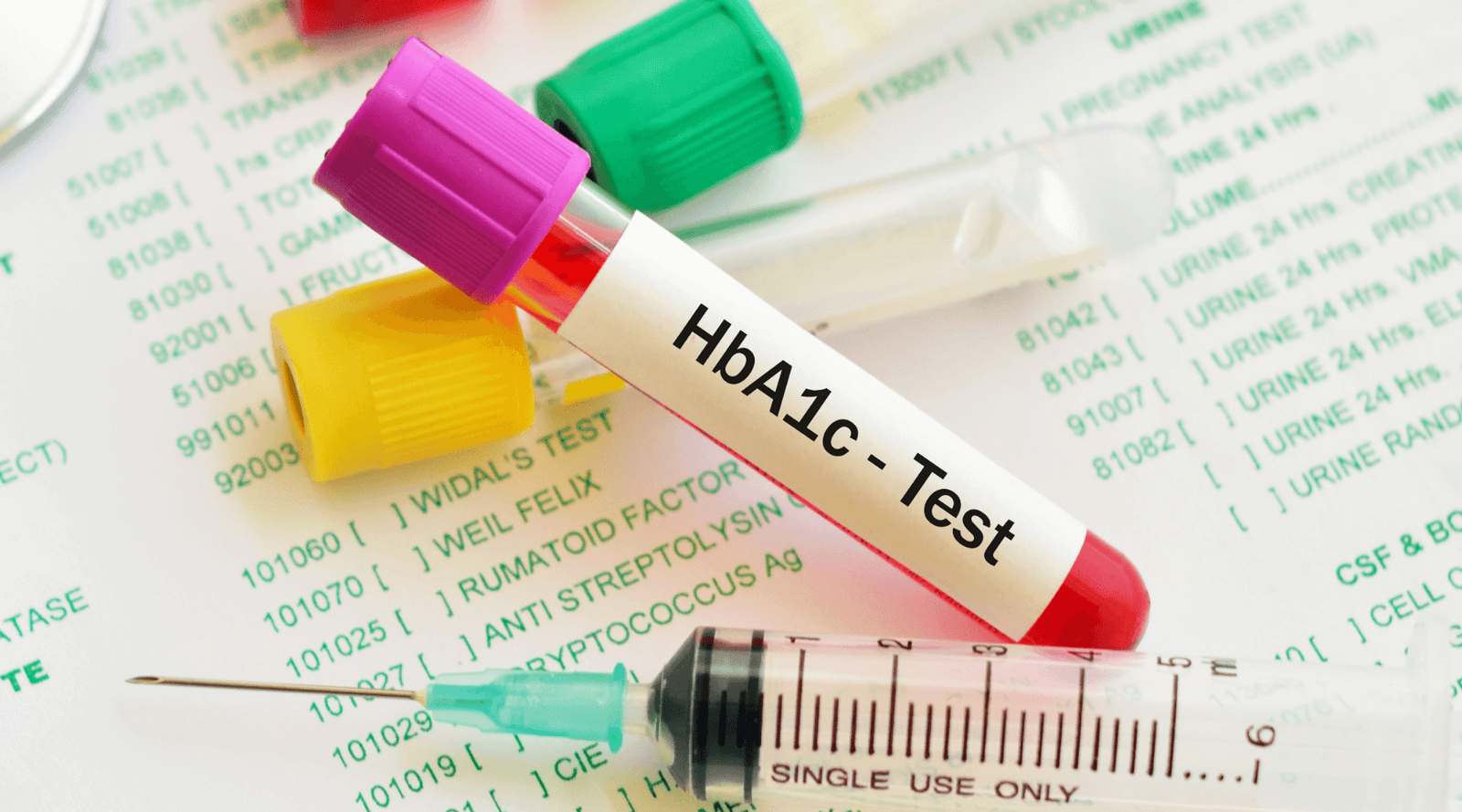
Yes. A blood test for fasting glucose or A1C is the only way to know whether you have prediabetes, and it is the first step in preventing type 2 diabetes. Monitoring your blood glucose levels is like keeping an eye on the dashboard of your car. It helps you keep track of your body’s performance and alerts you if something’s off. Learn what the numbers mean in our guide to diabetes tests and diagnosis.
Why regular blood glucose monitoring matters
Regular blood glucose monitoring helps you understand how your diet, physical activity, and medication affect your glucose levels and guides you to make the necessary adjustments. By tracking your glucose levels, you can identify patterns and trends that can help you make informed decisions. Read more on why you should check your blood sugar.
Understanding blood glucose test results
Your blood glucose test results give you a snapshot of how well your body is managing glucose. A fasting glucose of 100–125 mg/dL or an A1C of 5.7–6.4% indicates prediabetes; higher values indicate diabetes. Remember, knowledge is power when it comes to diabetes prevention.
Working with your healthcare provider
Your healthcare provider is like a co-pilot on your journey to diabetes prevention. They can help you interpret your blood glucose test results, adjust your plan, and provide guidance and support. If you have prediabetes, ask about a structured diabetes prevention program, which offers coaching on diet, activity and weight loss.
How can you prevent type 2 diabetes after gestational diabetes?
Women who have had gestational diabetes have a much higher lifetime risk of type 2 diabetes, but the same lifestyle changes, a balanced diet, regular exercise and weight management, along with postpartum screening, can substantially reduce that risk. Just as you nurture your child, you can also nurture your health. We cover this in detail in our expert strategies for preventing type 2 diabetes after gestational diabetes.
Gestational diabetes and type 2 diabetes risk
Gestational diabetes is a red flag signaling an increased risk of developing type 2 diabetes later in life. But with the right knowledge and actions, you can turn this flag green and keep diabetes at bay. Knowing the risk factors and understanding the signs and symptoms of gestational diabetes can help you take the right steps.
Healthy choices for mothers and families
As a mother, you’re not just taking care of your own health, but also setting an example for your family. By adopting healthy habits, you can reduce your risk of diabetes and pave the way for a healthier future for your whole family. Making small changes to your lifestyle can have a big impact on your health.
Postpartum diabetes screening
Postpartum diabetes screening is a safety net that catches any potential signs of diabetes after pregnancy. Guidelines recommend a glucose test 4–12 weeks after delivery and then screening at least every three years for life. So, make sure to schedule your screening and take control of your health.
Does managing stress help prevent diabetes?
Managing stress supports diabetes prevention because stress hormones such as cortisol raise blood sugar and make it harder to keep up healthy eating, exercise and sleep habits. Stress and mental health issues are a part of life, but with the right tools, you can navigate these challenges and maintain your health and well-being. Our guide to stress management with diabetes goes deeper.
The impact of stress on blood sugar levels
Stress can spike your blood sugar levels and make blood sugar management a challenge. But just as every storm passes, every stressful situation can be managed with the right strategies. Taking the time to understand your stressors and how they affect your body is the first step to improving your health.
Techniques for stress management
Managing stress requires practice and patience. Whether it’s deep breathing, yoga, or simply taking a walk, find a stress management technique that works for you and make it a part of your daily routine. Making time for yourself is essential for managing stress.
Seeking support for mental health
Seeking support for mental health can help you navigate stress and mental health issues and guide you towards calmer shores. It’s okay to ask for help when you need it.
When should you see a doctor about diabetes risk?
See a doctor for a blood sugar test if you are 35 or older, are overweight with any other risk factor, have had gestational diabetes, or notice symptoms such as excessive thirst, frequent urination, fatigue, unexplained weight loss, blurred vision, slow-healing sores, frequent infections, or tingling and numbness in the hands and feet. Early detection matters: prediabetes can usually be turned around, and if diabetes is found, early treatment prevents complications such as nerve damage and foot problems. If you already have diabetes, our guide to caring for your diabetic feet explains the daily checks that protect your feet.
Frequently asked questions about preventing diabetes
How can I prevent diabetes naturally?
The natural approach is the proven one: lose excess weight, get at least 150 minutes of moderate activity a week, eat whole foods, fiber-rich plant foods and unsaturated fats, limit sugary drinks and refined carbohydrates, sleep well and manage stress. These steps improve insulin sensitivity without medication. Some people with prediabetes are also prescribed medication; talk to your doctor about what is right for you.
What foods help prevent diabetes?
Vegetables, fruits, whole grains, legumes, nuts, seeds, olive oil and fatty fish are the foods most consistently linked to lower diabetes risk. Water, coffee and tea without added sugar are better choices than sugary drinks. Limit refined grains, processed meats, sweets and sugar-sweetened beverages.
Can you prevent type 1 diabetes?
No. Type 1 diabetes is an autoimmune condition in which the body destroys its own insulin-producing cells, and there is currently no proven way to prevent it. Research into delaying its onset is ongoing. The prevention steps in this article apply to type 2 diabetes.
Can prediabetes be reversed?
Yes, in many people. Prediabetes means blood sugar is higher than normal but not yet in the diabetes range, and modest weight loss plus regular activity can return blood sugar to the normal range. Structured diabetes prevention programs are designed for exactly this. Our article on preventing type 2 diabetes has a step-by-step plan.
Can diabetes be prevented or reversed once diagnosed?
Type 2 diabetes can be prevented, and once diagnosed it can often be put into remission through sustained weight loss, diet and exercise, meaning blood sugar stays in the normal range without medication. Some studies suggest very low-carbohydrate diets and intermittent fasting can help, but they are not right for everyone; talk to your doctor before making major dietary changes. Remission is not a cure, and blood sugar can rise again if habits lapse.
What are the early warning signs of diabetes?
The common early signs are excessive thirst, frequent urination, fatigue, unexplained weight loss, blurred vision, slow-healing sores, dry skin, frequent infections, tingling and numbness in the hands and feet, and appetite changes. Many people with type 2 diabetes have no symptoms at first, which is why screening matters.
References, studies and sources
- Harvard T.H. Chan School of Public Health, The Nutrition Source. Simple Steps to Preventing Diabetes. https://www.hsph.harvard.edu/nutritionsource/disease-prevention/diabetes-prevention/preventing-diabetes-full-story/
- Centers for Disease Control and Prevention (CDC). Preventing Type 2 Diabetes. https://www.cdc.gov/diabetes/prevention-type-2/index.html
- National Institute of Diabetes and Digestive and Kidney Diseases (NIDDK). Preventing Type 2 Diabetes. https://www.niddk.nih.gov/health-information/diabetes/overview/preventing-type-2-diabetes
- American Diabetes Association. Prevention. https://diabetes.org/about-diabetes/prevention
About the author: Dr. Matthew Capozzi, DPM, FACFAS, CWS, is a board-certified foot surgeon through the American Board of Foot and Ankle Surgery. He is a Diplomate of the American Academy of Wound Management and Fellow of the American College of Foot and Ankle Surgeons. He completed a three-year residency program in Foot and Ankle Reconstructive Surgery at St. Francis Hospital & Medical Center in Hartford, CT in 2010. Dr. Capozzi is a board-certified Wound Specialist® granted by the American Academy of Wound Management.
Healthcare disclaimer: Always consult your physician before beginning any program. This general information is not intended to diagnose any medical condition or to replace your healthcare professional. If you experience any pain or difficulty, stop and consult your healthcare provider. CircuFiber socks are a general wellness product intended to promote a temporary increase in local blood flow and circulation; they are not intended to diagnose, treat, cure, or prevent any disease. Individual results vary.