

Written by Jessica Fitzpatrick · Medically reviewed by the CircuFiber Scientific Advisory Board · Updated: October 28, 2026
Telehealth for diabetes means getting diabetes education, coaching and follow-up remotely, using video visits, remote glucose monitoring devices and apps. Erin Kelly, M.Ed, RN, BSN, CDCES, of Joslin Diabetes Center and a member of the CircuFiber Scientific Advisory Board, says that with today's remote glucose monitoring and tracking tools, virtual diabetes education is very manageable. Virtual coaching programs can support formal diabetes education between clinic visits, although insurance has historically been slow to cover them.

Key Takeaways
- Telehealth for diabetes is not new. It was studied and discussed long before COVID-19, especially for people in remote regions.
- Remote glucose monitoring makes virtual care practical. Connected meters, apps and tracking let a diabetes educator review data without an in-person visit.
- Virtual diabetes coaching platforms have grown quickly. They pair compatible meters and an app with coaches who give feedback.
- Coaching supports, but does not replace, formal diabetes education. Its value is frequent check-ins and follow-up in the time between clinic visits.
- Cost and coverage vary. Insurance has been slow to cover telehealth for diabetes, and most coaching programs are self-pay, so check with your plan.
What does Erin Kelly, CDCES, say about telehealth for diabetes?
Erin Kelly, M.Ed, RN, BSN, CDCES, a certified diabetes care and education specialist at Joslin Diabetes Center, sees telehealth as a practical way to deliver more diabetes education and training. She shared these comments in June 2021:
“Like many things pre-COVID telehealth for diabetes has been a long studied and discussed topic, especially in more remote regions. Unfortunately insurance has been slow to cover these services in the past. Hopefully COVID has pushed us over the edge here, like it has done in many other sectors. Especially in this day and age with remote glucose monitoring devices, apps and tracking its very manageable to do more virtual diabetes education. In recent years there has also been an explosion of diabetes “coaching” platforms that do virtually the same things with compatible meters, and app platform and diabetes coaches who provide feedback. Most of these programs are self-pay but they are becoming more commonplace and can certainly support formal diabetes education in the inter-visit space and getting people to goal with frequent check ins and follow up.”
Read more in Fierce Healthcare's article on why virtual diabetes programs should be the new normal.
How does telehealth for diabetes management work?
Telehealth for diabetes management works by sharing your glucose data and questions with a care team or coach remotely, so they can give feedback without an office visit. Erin Kelly points to three building blocks:
- Remote glucose monitoring devices and compatible meters that record readings automatically (see tips for blood sugar monitoring)
- Apps and tracking that collect readings and make trends easy to review
- Diabetes coaches or educators who provide feedback, check in frequently and follow up
The aim is to help people reach their goals between visits, which is why regular checks matter; read why checking your blood sugar matters.
Does insurance cover diabetes telehealth and coaching programs?
Insurance coverage for diabetes telehealth varies, and Erin Kelly notes that insurers have historically been slow to cover these services. Most virtual diabetes coaching platforms are self-pay. Before you enroll, ask your health plan and your doctor what is covered, and compare options for cost-effective diabetes management.
When do you still need an in-person diabetes visit?
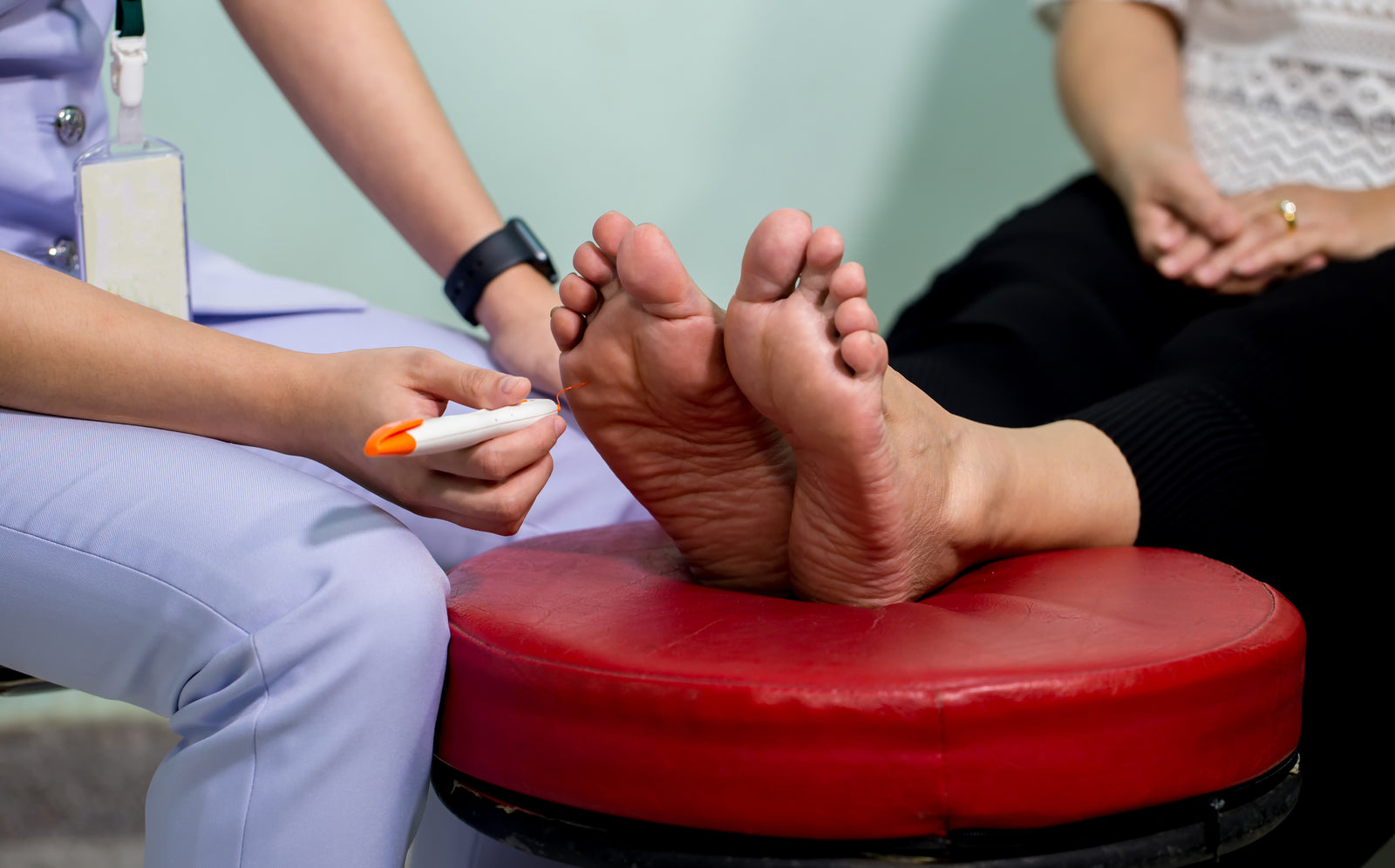
You still need in-person care for anything that requires a hands-on examination, including your regular diabetic foot exam, and for any new or worsening symptom. Virtual coaching fits in the “inter-visit space” Erin Kelly describes; it supports your care team's plan rather than replacing it. If you are newly diagnosed, start with our guide for newly diagnosed diabetics and the essential diabetes management guide.
Frequently asked questions about telehealth for diabetes
Can diabetes education be done virtually?
Yes. Erin Kelly, CDCES, says that with remote glucose monitoring devices, apps and tracking, it is very manageable to do more virtual diabetes education. Ask your care team whether they offer virtual education sessions.
What is a diabetes coaching platform?
A diabetes coaching platform combines a compatible meter, an app and diabetes coaches who review your data and give feedback. Most are self-pay, and they work best alongside formal diabetes education from your healthcare team.
Is telehealth for diabetes only for people in remote areas?
No. Telehealth for diabetes was long studied for people in remote regions, but frequent virtual check-ins and follow-up can help anyone who wants support between clinic visits.
References, studies and sources
- Fierce Healthcare. Why virtual diabetes programs should be the new normal. https://www.fiercehealthcare.com/sponsored/why-virtual-diabetes-programs-should-be-new-normal
- American Diabetes Association. Diabetes resources. https://diabetes.org/
- Centers for Disease Control and Prevention (CDC). Diabetes. https://www.cdc.gov/diabetes/
- National Institute of Diabetes and Digestive and Kidney Diseases (NIDDK). Diabetes. https://www.niddk.nih.gov/health-information/diabetes
Healthcare disclaimer: Always consult your physician before beginning any program. This general information is not intended to diagnose any medical condition or to replace your healthcare professional. If you experience any pain or difficulty, stop and consult your healthcare provider. CircuFiber socks are a general wellness product intended to promote a temporary increase in local blood flow and circulation; they are not intended to diagnose, treat, cure, or prevent any disease. Individual results vary.