

Written by Dr. Matthew Capozzi, DPM, FACFAS, CWS (board-certified foot surgeon and wound specialist) · Medically reviewed by the CircuFiber Scientific Advisory Board · Updated: October 28, 2026
A blister on the toe or foot of a person with diabetes should never be treated as minor, because skin affected by diabetes heals more slowly and a small blister can turn into an infection or a foot ulcer. Most diabetic toe blisters form from friction or pressure, often from shoes or socks that rub, and nerve damage (diabetic peripheral neuropathy) means many people do not feel them forming. If you have diabetes, do not pop or drain a blister at home: keep it clean and covered with a sterile, non-stick dressing and call your podiatrist or doctor.

Key Takeaways
- Diabetic toe blisters are a warning sign, not a minor nuisance. Because diabetes impairs healing, an unnoticed blister can escalate into an infection or a diabetic foot ulcer.
- The main causes are friction and pressure from footwear, combined with poor circulation, which slows healing, and neuropathy, which lets blisters form without being felt.
- Never pop or drain a blister at home with diabetes. Keep it clean, cover it with a sterile, non-stick dressing, and call your podiatrist.
- Prevention works: daily foot inspections, blood sugar in your target range, gentle foot hygiene, well-fitting shoes, and seamless, non-binding diabetic socks.
- Get same-day care if a blister shows redness, swelling, warmth, pus, increasing pain, or is not healing.
What is a diabetic toe blister?
A diabetic toe blister is a fluid-filled pocket on the skin of the toes or foot in a person with diabetes. Typically, these blisters manifest as fluid-filled pockets on the skin's surface, predominantly found on the toes. They might seem similar to ordinary blisters, but for those managing diabetes, they serve as a red flag due to the skin's compromised ability to heal. Spotting these early can be pivotal, as unnoticed blisters can escalate into more severe infections.
Diabetic toe blisters, often appearing innocuous, pose significant risks if not managed with care. They're not just uncomfortable; they're a warning sign we need to heed.
What does a diabetic blister look like?
A diabetic blister looks like a raised, fluid-filled sac on the skin, and the fluid can be clear or filled with blood. Other signs and symptoms to look for include:
- Pain and tenderness: Often, diabetic toe blisters are accompanied by pain or tenderness in the affected area. This sensation indicates the presence of an abnormality, even if the blister itself isn't immediately visible. If you feel discomfort when touching or applying pressure to any part of your foot, it's time to inspect it more closely.
- Redness and swelling: Redness surrounding a blister, along with swelling, can signify inflammation. These are your body's natural responses to injury or infection. Noticing such changes in the skin around your toes is crucial for early detection and treatment.
- Fluid-filled sac: The hallmark of a toe blister is a raised, fluid-filled sac on the skin's surface. This sac might be clear or filled with blood. While the fluid inside aims to cushion and protect the underlying skin, it's vital to manage these blisters carefully to avoid puncturing them, which could lead to infections.
- Skin changes: Diabetic individuals should watch for changes in skin coloration or texture. A blister might cause the surrounding skin to harden or thicken, a condition known as callusing (see diabetic foot callus prevention and treatment). In some cases, the skin around the blister may appear lighter or darker than the rest of your foot.
- Numbness or lack of sensation: Neuropathy, a common complication of diabetes, might make it harder to detect a blister based on pain alone. Regularly inspecting your feet plays a critical role, especially if your toes often feel numb or you have reduced sensation in your feet.
To compare what early wounds can look like, see our early-stage diabetic foot ulcer pictures.
What causes blisters on the feet and toes with diabetes?
Blisters on the feet and toes of people with diabetes are caused mainly by friction or pressure, made more dangerous by poor circulation and neuropathy. Several factors contribute to the formation of diabetic toe blisters, and predominantly, poor circulation and neuropathy play significant roles.
Friction and pressure from shoes and socks
Shoes that pinch or rub, and socks with seams or tight elastic bands, create the unnecessary friction or pressure that often leads to blister formation. This is why footwear is the first thing to check when a blister appears.
Poor circulation
Diabetes often leads to reduced blood flow, making it harder for oxygen and nutrients to reach extremities, so impairing the skin's healing process. Elevated blood glucose can also impair healing and heighten the risk of infection. Read more on improving foot circulation with diabetes.
Peripheral neuropathy (nerve damage)
Neuropathy, or nerve damage, results in diminished sensation, meaning blisters can form without the immediate knowledge of the individual. If your toes often feel numb, read more about numb feet and diabetes.
Which blister symptoms need a doctor right away?
A blister needs prompt medical attention when it shows signs of infection, does not heal, or appears on a foot with reduced sensation. The table below summarizes what to watch for and what to do.
| What you notice | What it may indicate | What to do |
|---|---|---|
| Clear, intact blister with no redness | Friction or pressure blister | Do not pop it; clean, cover with a sterile non-stick dressing, remove the source of rubbing, and call your podiatrist |
| Blood-filled blister | Pressure or injury to deeper skin layers | Keep it covered and call your podiatrist |
| Increased redness, swelling, warmth, pain, or pus | Possible diabetic foot infection | Contact your healthcare provider the same day |
| Blister that has broken open or is not healing | Open wound with risk of becoming a foot ulcer | See your podiatrist promptly for wound care |
| Blister you did not feel forming; numb toes | Diabetic peripheral neuropathy | Book a diabetic foot exam |
How do you treat a blister on a diabetic foot?
Treat a blister on a diabetic foot by keeping it clean and protected, leaving it intact, and getting a podiatrist or doctor involved early. Immediate and appropriate action can mitigate the risks associated with diabetic toe blisters.
Keep it clean, covered, and intact
Upon noticing a blister, it's paramount to consult a healthcare provider immediately to receive a tailored treatment plan. Professionals might recommend cleaning the area with a mild soap and water, and applying an antibiotic ointment to prevent infection. Covering the blister with a sterile, non-stick dressing can protect it from further friction. Importantly, individuals must resist the urge to burst the blister, as this can lead to infections. Avoiding the temptation to pop or drain the blister is crucial, as this can introduce bacteria to the wound.
Watch for signs of infection
Monitoring for signs of infection, such as increased redness, swelling, pain, or pus, is essential. If any of these symptoms emerge, consulting with a healthcare professional immediately becomes necessary. They can provide targeted treatments, which might include antibiotics or specific wound care products.
Control blood sugar to support healing
Maintaining optimal blood sugar levels is a cornerstone in treating diabetic toe blisters. Elevated blood glucose can impair healing, heighten the risk of infection, and exacerbate complications. Adhering to medication regimes, adopting a balanced diet, and engaging in regular physical activity are critical steps to ensure efficient blood sugar management (see why checking your blood sugar matters).
Take pressure off the blister
Investing in specialized footwear that offers adequate support and minimizes pressure on the feet can significantly aid in the healing of toe blisters. Shoes designed for diabetic individuals typically feature a wider toe box, soft insoles, and materials that reduce the chance of skin irritation. Similarly, wearing socks that provide cushioning without tight elastic bands can prevent blisters and support healing processes.
Advanced wound care from a professional
For blisters that do not heal or show signs of infection, advanced wound care becomes necessary. This may include debridement (removing dead skin), applying medicated dressings, or using therapies like negative pressure wound therapy (NPWT). In severe cases, antibiotic treatment may be required to tackle infections. These are treatments performed by your podiatrist or wound care team, not at home.
How can you prevent diabetic toe blisters?
You can prevent most diabetic toe blisters with daily foot checks, good blood sugar control, gentle hygiene, and footwear and socks that do not rub. Prevention, as always, remains the best defense.

Inspect your feet every day
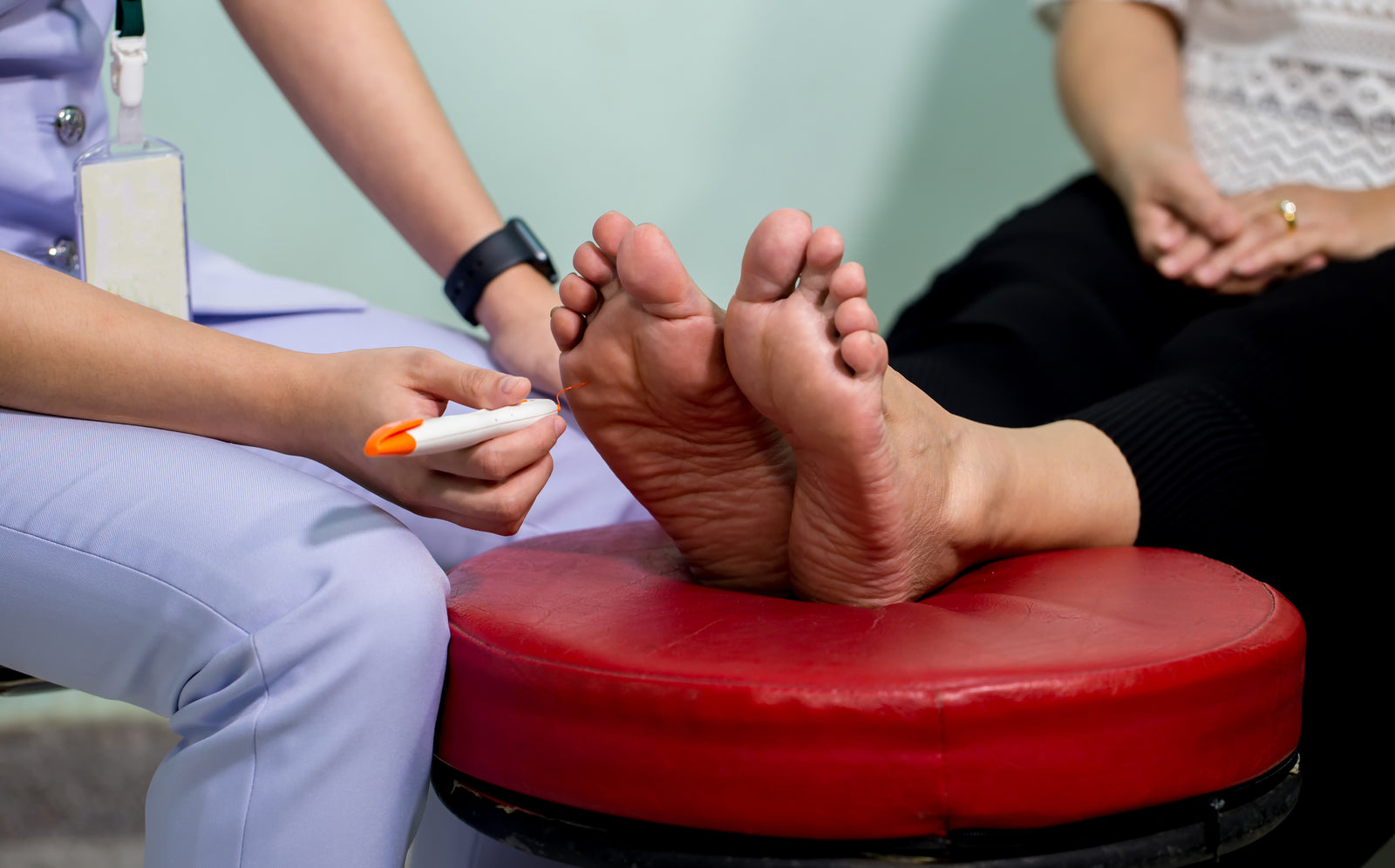
Inspecting feet daily becomes a non-negotiable routine for those with diabetes. We recommend checking for any signs of blisters, cuts, redness, swelling, or nail problems. Employing a mirror can help examine areas of the feet that are hard to see. This practice helps in early detection and immediate treatment of minor issues before they escalate into severe complications. It's essential to wear proper footwear even during exercise and to check feet afterward for any signs of blisters or injury.
Keep blood sugar in your target range
Keeping blood sugar levels within the target range minimizes the risk of all diabetic complications, including foot problems. Regular monitoring, coupled with the appropriate diet, exercise, and medication, plays a pivotal role in preventive diabetes care. Optimal glucose control helps in preserving nerve health, thereby reducing the chances of foot injuries going unnoticed.
Practice gentle foot hygiene
Maintaining hygiene is paramount. We advise washing feet daily with lukewarm water (test the temperature with your elbow first, since numb feet cannot judge heat) and mild soap, and drying them gently, especially between the toes to prevent fungal infections. Moisturizing feet, except between the toes, prevents dry skin which can crack and invite infections.
Choose protective footwear
Choosing the right footwear is essential for preventing diabetic toe blisters. Shoes should fit well, offer ample support, and not pinch or rub any part of the foot. Specialized footwear designed for individuals with diabetes offers additional protection, minimizing the risk of wounds and blisters that could lead to serious complications. If you have nerve damage, see our guide to shoes for diabetic neuropathy.
Stay active and keep up professional check-ups
Physical activity plays an integral role in diabetes management, aiding blood sugar control, and promoting healthy blood circulation. Simple activities like walking or swimming can have significant benefits. Scheduling regular appointments with a healthcare provider for comprehensive foot examinations can catch potential issues early.
Can diabetic socks help prevent toe blisters?
Yes. Socks play a critical role in protecting the feet, and the right design reduces the friction that causes most toe blisters. Diabetic-specific socks, typically made without seams, reduce the chance of blister formation and provide additional support and cushioning. A good diabetic sock is seamless at the toe, has a non-binding top without tight elastic bands, and is moisture-wicking to keep skin dry, since damp skin blisters more easily. For a detailed comparison, see our guide to diabetic socks vs. compression socks.
CircuFiber diabetic socks are seamless, non-binding, and moisture-wicking. The fabric is also woven with Circulight® IR fibers containing thermoreactive mineral particles that absorb your own body heat and reflect it back into the foot as far-infrared energy, which promotes a temporary increase in local blood flow and circulation. In a randomized, double-blinded, placebo-controlled trial at Yale School of Medicine (ClinicalTrials.gov NCT04460612, published in Diabetes & Vascular Disease Research, 2023), the active textile significantly increased transcutaneous oxygen in the feet of people with diabetes compared with a placebo sock, with the difference visible at 40 minutes and significant at 60 minutes. CircuFiber socks also carry the APMA Seal of Acceptance.
What this means in practice: socks are one part of a foot-care routine, not a treatment for a blister. If you already have a blister, keep it covered and call your podiatrist.
When should you see a doctor about a diabetic toe blister?
See a podiatrist or doctor as soon as you notice any blister on your feet or toes if you have diabetes, rather than waiting to see whether it heals. At the first sign of a diabetic toe blister, consulting with healthcare professionals for tailored treatment plans can mitigate risks and promote healing. Seek care the same day if the blister has broken open, is blood-filled, or shows increased redness, swelling, warmth, pain, or pus, and seek urgent care if you also have fever or red streaks spreading from the area. Regular visits to a podiatrist for professional foot care are advisable for individuals living with diabetes; read more on choosing a diabetic foot specialist.
Frequently asked questions about diabetic toe blisters
Should you pop a blister if you have diabetes?
No. If you have diabetes, never pop, drain, or cut a blister at home, because breaking the skin can introduce bacteria into a wound that may heal slowly. Keep it clean, cover it with a sterile, non-stick dressing, and call your podiatrist, who can decide whether it needs professional care.
Can diabetes cause blisters on the feet?
Diabetes makes blisters on the feet more likely and more dangerous. Neuropathy means rubbing from shoes or socks may go unfelt until a blister has formed, and reduced circulation slows healing once it has. Any blister on a diabetic foot should be checked by a professional.
What does a diabetic blood blister on the toe mean?
A blood blister on the toe usually means pressure or injury has damaged small blood vessels under the skin, often from tight shoes or a stubbed toe. In a person with diabetes it should be kept intact and covered, and checked by a podiatrist, because it can hide deeper damage.
How long does a diabetic blister take to heal?
Healing time varies, and diabetic blisters often heal more slowly than blisters in people without diabetes because of reduced circulation and high blood sugar. A blister that is not clearly improving within a few days, or that opens or looks infected, needs to be seen by your podiatrist.
Can a blister turn into a diabetic foot ulcer?
Yes. An unnoticed or broken blister can become an open wound that develops into a diabetic foot ulcer, which is why early care matters. Learn about the stages of diabetic foot ulcers and how they are treated.
References, studies and sources
- Michigan Medicine (University of Michigan Health). Frequently Asked Questions: Diabetic Foot Ulcers. https://www.uofmhealth.org/conditions-treatments/podiatry-foot-care/frequently-asked-questions-diabetic-foot-ulcers
- Cleveland Clinic. Diabetic Feet. https://my.clevelandclinic.org/health/diseases/21510-diabetic-feet
- National Institute of Diabetes and Digestive and Kidney Diseases (NIDDK). Diabetes and Foot Problems. https://www.niddk.nih.gov/health-information/diabetes/overview/preventing-problems/foot-problems
- American Podiatric Medical Association (APMA). Diabetic Wound Care. https://www.apma.org/patients-and-the-public/conditions-affecting-the-foot-and-ankle/diabetic-wound-care/
- Yale School of Medicine. Randomized, double-blinded, placebo-controlled trial of an infrared textile on transcutaneous oxygen in people with diabetes. ClinicalTrials.gov NCT04460612. https://clinicaltrials.gov/study/NCT04460612
About the author: Dr. Matthew Capozzi, DPM, FACFAS, CWS, is a board-certified foot surgeon through the American Board of Foot and Ankle Surgery. He is a Diplomate of the American Academy of Wound Management and Fellow of the American College of Foot and Ankle Surgeons. He completed a three-year residency program in Foot and Ankle Reconstructive Surgery at St. Francis Hospital & Medical Center in Hartford, CT in 2010. Dr. Capozzi is a board-certified Wound Specialist® granted by the American Academy of Wound Management.
Healthcare disclaimer: Always consult your physician before beginning any program. This general information is not intended to diagnose any medical condition or to replace your healthcare professional. If you experience any pain or difficulty, stop and consult your healthcare provider. CircuFiber socks are a general wellness product intended to promote a temporary increase in local blood flow and circulation; they are not intended to diagnose, treat, cure, or prevent any disease. Individual results vary.