

Written by Dr. Matthew Capozzi, DPM, FACFAS, CWS (board-certified foot surgeon and wound specialist) · Medically reviewed by the CircuFiber Scientific Advisory Board · Updated: October 27, 2026
Diabetic neuropathy treatment starts with keeping blood sugar in your target range, which is the only approach shown to slow or stop further nerve damage. Nerve damage that has already happened cannot usually be undone, so the rest of treatment focuses on relieving symptoms: prescription medications such as gabapentin, pregabalin or duloxetine for nerve pain, topical creams or patches, non-drug therapies like TENS and acupuncture, regular exercise, and daily foot care to prevent the sores and infections that numb feet are prone to. The best plan combines several of these and is built with your healthcare team.

Key Takeaways
- Blood sugar control is the foundation of diabetic neuropathy treatment. Keeping glucose in the recommended range reduces the risk of nerve damage, can delay the onset of neuropathy, and can decrease the severity of existing symptoms.
- Medications relieve pain but do not repair nerves. Options named by Dr. Capozzi include over-the-counter NSAIDs, prescription drugs such as gabapentin, pregabalin and duloxetine, topical capsaicin or lidocaine, and, in severe cases, cautiously prescribed opioids.
- Non-drug therapies help many people. Transcutaneous electrical nerve stimulation (TENS), acupuncture, massage, biofeedback and cognitive-behavioral therapy (CBT) can all reduce neuropathy pain for some patients.
- Lifestyle changes matter: regular exercise, a diabetes-friendly diet, quitting smoking and limiting alcohol all support nerve health and blood flow.
- Daily foot care is part of treatment. Because peripheral neuropathy dulls sensation, checking your feet every day and wearing protective, non-binding socks and well-fitting shoes helps lower the risk of ulcers and infections.
- Early diagnosis gives you more options. See your doctor or podiatrist as soon as you notice numbness, tingling, burning or weakness.
What is diabetic neuropathy and why does it need treatment?
Diabetic neuropathy is a nerve disorder that results from prolonged high blood sugar levels. It's the most common complication of diabetes, affecting millions of people worldwide. It needs treatment because the damage is progressive: untreated, it leads to worsening pain, loss of sensation in the feet, and a much higher risk of foot ulcers and infections. For a fuller overview of the condition itself, read our guide to diabetic neuropathy causes and management.
The four types of diabetic neuropathy
There are several types of diabetic neuropathy, and the right treatment depends on which type you have:
- Peripheral neuropathy: This is the most common form, affecting nerves in the extremities like hands, feet, and legs. Symptoms include numbness, tingling, burning sensations, and heightened sensitivity to touch.
- Autonomic neuropathy: This affects the nerves that control involuntary functions, such as digestion, heart rate, and sexual function. Common symptoms are digestive problems, heart irregularities, and bladder or sexual dysfunction.
- Proximal neuropathy: It affects muscles—typically in the hips, thighs, and buttocks. Symptoms include pain, muscle weakness, and weight loss.
- Focal neuropathy: This is characterized by damage to a single nerve, commonly in the wrist or back. Symptoms include sudden, severe pain and muscle weakness.
| Type | Nerves Affected | Common Symptoms |
|---|---|---|
| Peripheral neuropathy | Hands, feet, legs | Numbness, tingling, sensitivity to touch |
| Autonomic neuropathy | Involuntary functions (heart rate, digestion) | Digestive issues, heart irregularities |
| Proximal neuropathy | Muscles (hips, thighs, buttocks) | Pain, muscle weakness, weight loss |
| Focal neuropathy | Single nerve (wrist, back) | Sudden pain, muscle weakness |
Risk factors that make neuropathy more likely
Several risk factors can contribute to the development of diabetic neuropathy, and most of them are also targets for treatment:
- Poorly controlled blood sugar: Consistently high blood sugar levels can damage nerves over time.
- Duration of diabetes: The longer one has diabetes, the higher the risk of developing neuropathy.
- Kidney disease: Diabetes can harm your kidneys, which can in turn affect nerve function.
- Smoking and alcohol use: These habits may increase nerve damage and pain.
- Obesity: Higher weight can cause additional pressure on nerves and contribute to neuropathy.
By understanding diabetic neuropathy and recognizing its symptoms, we can take the necessary steps to manage and treat it effectively. If you are not sure whether your symptoms are neuropathy, a diabetic neuropathy test at your doctor's office can confirm it.
What is the best treatment for diabetic neuropathy?
The best treatment for diabetic neuropathy is a combination plan: tight blood sugar control to slow the nerve damage, plus the pain-relief and foot-care measures that fit your symptoms. No single treatment reverses established nerve damage, which is why early diagnosis matters so much. The table below summarizes the main treatment categories covered in this article; the sections that follow explain each one.
| Treatment category | What it involves | What it does |
|---|---|---|
| Blood sugar control | Regular glucose monitoring, a diabetes-friendly diet, physical activity, taking prescribed diabetes medications as directed | Reduces the risk of nerve damage, can delay onset of neuropathy and decrease the severity of existing symptoms |
| Over-the-counter pain relievers | NSAIDs such as ibuprofen or naproxen | Short-term relief of mild pain |
| Prescription nerve-pain medications | Anti-seizure drugs such as gabapentin or pregabalin; the antidepressant duloxetine | Reduce burning, shooting and tingling nerve pain; prescribed and adjusted by your doctor |
| Topical treatments | Creams or patches containing capsaicin or lidocaine | Localized pain relief with fewer whole-body side effects |
| Opioid medications | Prescribed only in more severe cases | Pain relief, but used cautiously due to the risk of addiction |
| Physical activity and physical therapy | Regular exercise; supervised strengthening and balance work if weakness or unsteadiness is a problem | Promotes blood flow, supports nerve health, helps maintain strength and balance |
| Non-drug therapies | TENS, acupuncture, massage therapy, biofeedback, cognitive-behavioral therapy (CBT) | Reduce pain and improve coping for some patients |
| Daily foot care | Inspecting feet daily, protective non-binding socks, well-fitting footwear, regular podiatrist visits | Prevents the ulcers and infections that numb feet are prone to |
For the formal recommendations that doctors follow when choosing among these options, see our summary of diabetic neuropathy treatment guidelines.
Why is blood sugar control the first treatment for diabetic neuropathy?
Blood sugar control is the first treatment because it is the only one that addresses the cause of the nerve damage rather than its symptoms. It's the key to reducing the risk of nerve damage and improving overall quality of life for people living with diabetes. First and foremost, maintaining optimal blood sugar levels helps minimize the risk of nerve damage. High blood sugar levels can damage the nerves, causing various symptoms such as pain, numbness, and tingling in hands and feet. By keeping blood sugar levels within the recommended range, we can:
- Reduce inflammation in the nerves
- Improve nerve function
- Prevent or delay the onset of neuropathy
- Decrease the severity of existing neuropathy symptoms
What a blood sugar control plan includes
When it comes to managing blood sugar, a comprehensive approach is necessary. This typically involves:
- Monitoring blood sugar levels regularly (read why checking your blood sugar matters)
- Following a balanced, diabetes-friendly diet
- Engaging in regular physical activity
- Taking prescribed medications as directed
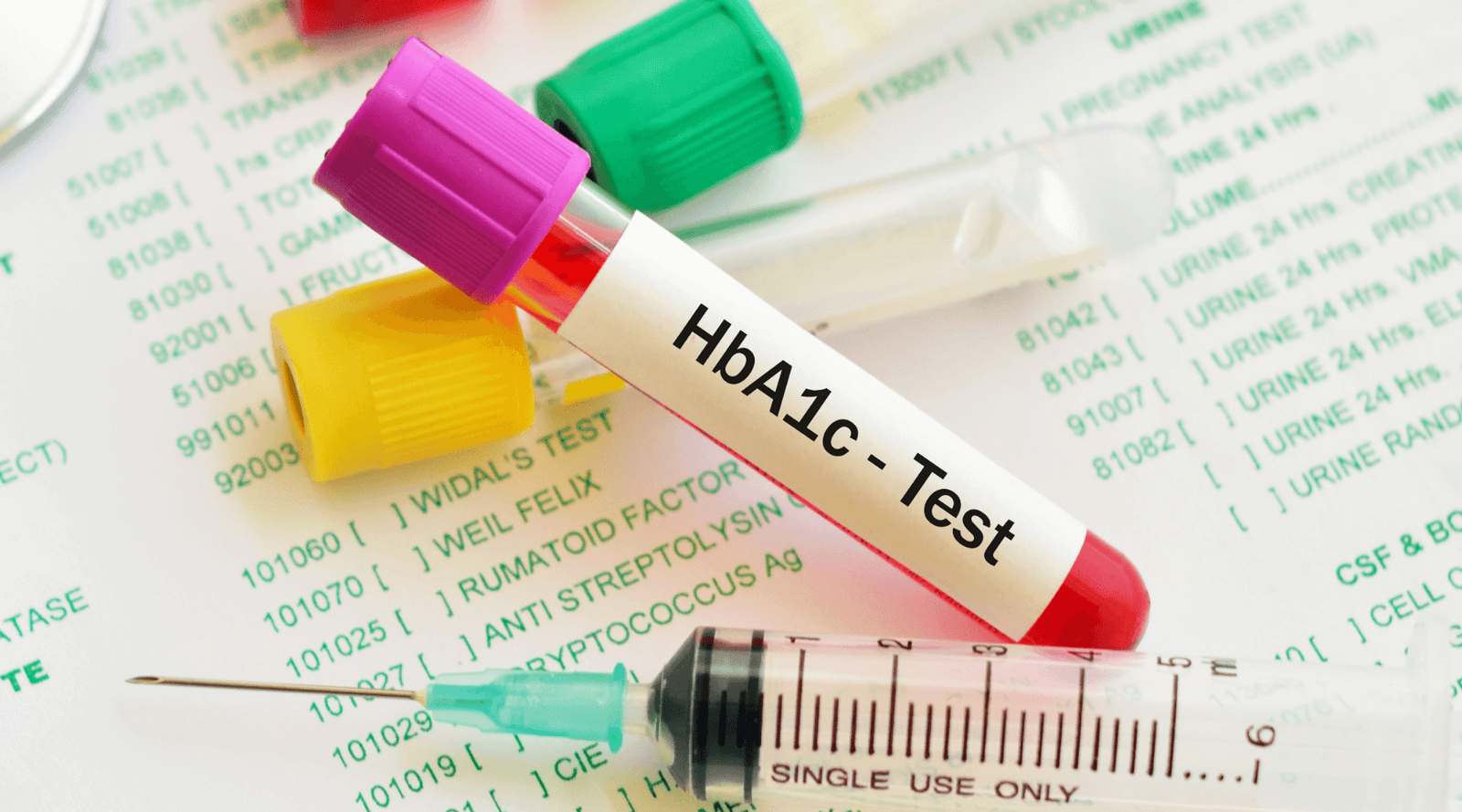
| Recommended Blood Sugar Levels | Target Range |
|---|---|
| Fasting blood sugar (before meals) | 80-130 mg/dL |
| Blood sugar 1-2 hours after meals | Less than 180 mg/dL |
Consistently high blood sugar levels increase the risk of various health complications. In addition to neuropathy, controlling blood sugar in diabetes can help prevent kidney disease, heart disease, stroke and vision problems. It's important to work closely with your healthcare team to establish a blood sugar control plan tailored to your specific needs, because your targets may differ from the general ranges above.
Which medications are used to treat diabetic neuropathy pain?
Medications for diabetic neuropathy relieve pain and tingling but do not repair the damaged nerves. Medical treatments are often the first option explored for managing neuropathy pain, and there are a variety of medications available for this purpose. Your doctor will choose based on how severe the pain is, your other health conditions, and how you respond; never start, stop or combine these on your own.
Over-the-counter pain relievers
Over-the-counter pain relievers like NSAIDs, such as ibuprofen or naproxen, are often tried first for milder pain. They are less effective for true nerve pain than the prescription options below, and people with diabetes-related kidney disease should ask their doctor before using them regularly.
Prescription medications for nerve pain
Prescription pain medications, like gabapentin, pregabalin or duloxetine, are the mainstay of diabetic neuropathy pain treatment. Gabapentin and pregabalin are anti-seizure drugs that calm overactive pain signals, and duloxetine is an antidepressant that also works on nerve pain pathways. These are the drugs doctors usually turn to when nerve pain is affecting sleep or daily activities.
Topical creams and patches
Topical creams or patches containing capsaicin or lidocaine deliver relief directly to a painful area with fewer whole-body side effects. They are useful when pain is concentrated in the feet. Our guide to diabetic neuropathy creams compares the options.
Opioid medications
Opioid medications may be prescribed in more severe cases, but should be used cautiously due to the risk of addiction. They are generally reserved for pain that has not responded to the other medication classes.
What non-drug therapies help with diabetic neuropathy?
Non-drug therapies for diabetic neuropathy include lifestyle changes, physical activity, and a range of alternative therapies that reduce pain for some patients. Many people get their best results by pairing one or more of these with medication.
Lifestyle changes
Alongside medical interventions, lifestyle changes can also play a crucial role in managing diabetic neuropathy pain. It's essential to:
- Maintain healthy blood sugar levels to reduce the likelihood of nerve damage worsening
- Exercise regularly to promote blood flow and support nerve health
- Avoid smoking and limit alcohol consumption, as both can aggravate neuropathy symptoms
Physical activity and physical therapy
Regular exercise promotes blood flow and supports nerve health, and it also helps with blood sugar control, so it works on neuropathy from two directions. If neuropathy has caused muscle weakness, balance problems or an unsteady walk, your doctor may refer you to a physical therapist for supervised strengthening and balance training to lower the risk of falls. Choose low-impact activities and check your feet after every session.
Alternative and complementary therapies
In addition to medications and lifestyle adjustments, there are a range of alternative therapies that may help alleviate neuropathy pain. Some patients find relief with:
- Massage therapy, to improve circulation and reduce muscle tension
- Transcutaneous electrical nerve stimulation (TENS), which uses mild electrical impulses to reduce pain
- Acupuncture, an ancient Chinese practice that involves inserting thin needles into specific points on the body to help relieve pain
- Biofeedback, which teaches you to notice and influence body responses linked to pain
- Cognitive-behavioral therapy (CBT), a form of counseling that can help patients develop coping strategies for pain
For more on diet, supplements and other drug-free approaches, read our article on natural treatment for diabetic neuropathy.
How do you treat diabetic neuropathy in the feet at home?
Treating diabetic neuropathy in the feet at home means protecting feet that may not feel injury and keeping up the habits that support nerve health. Self-care practices are another effective way to combat neuropathy pain. Incorporate the following techniques into your daily routine for optimal well-being:
- Proper foot care, which includes regularly checking for cuts, sores or blisters, washing and drying feet daily (especially between the toes), and wearing comfortable, protective footwear and non-binding diabetic socks
- Well-fitting shoes with room for the toes, since pressure points you cannot feel are how blisters and ulcers start; see our guide to shoes for diabetic neuropathy
- Relaxation techniques like deep breathing exercises or meditation to help manage stress and reduce pain
- A cool pack wrapped in a cloth, applied for short periods, for temporary relief from discomfort. Avoid heating pads, hot water bottles and hot foot soaks: with reduced sensation you can burn skin without feeling it
- Never going barefoot, even indoors, and never cutting calluses or corns yourself; let a podiatrist handle them
When it comes to managing diabetic neuropathy pain, it's important to explore various treatment options and find the combination that works best for you. Remember to consult with your healthcare provider before starting any new pain management regimen. Our diabetic neuropathy self-care guide goes deeper on daily routines.
Can diabetic socks help with diabetic neuropathy?
Diabetic socks do not treat neuropathy, but they are a practical part of the daily foot-care routine that every neuropathy treatment plan depends on. Because peripheral neuropathy dulls sensation, the goal of a sock is protection and comfort: a non-binding top that does not restrict blood flow, a seamless toe that will not rub, moisture-wicking fabric to keep skin dry, and enough warmth for feet that often feel cold. For a comparison of sock types, see diabetic socks vs. compression socks.
CircuFiber diabetic socks add one more element. The fabric is woven with Circulight® IR fibers containing thermoreactive mineral particles that absorb your own body heat and reflect it back into the foot as far-infrared energy, which promotes a temporary increase in local blood flow and circulation. In a randomized, double-blinded, placebo-controlled trial at Yale School of Medicine (ClinicalTrials.gov NCT04460612, published in Diabetes & Vascular Disease Research, 2023), the active textile significantly increased transcutaneous oxygen in the feet of people with diabetes compared with a placebo sock, with the difference visible at 40 minutes and significant at 60 minutes. CircuFiber socks also carry the APMA Seal of Acceptance.
Treat the socks as one part of foot care alongside blood sugar control, your prescribed medications and daily foot checks, not as a substitute for any of them.
When should you see a doctor about diabetic neuropathy treatment?
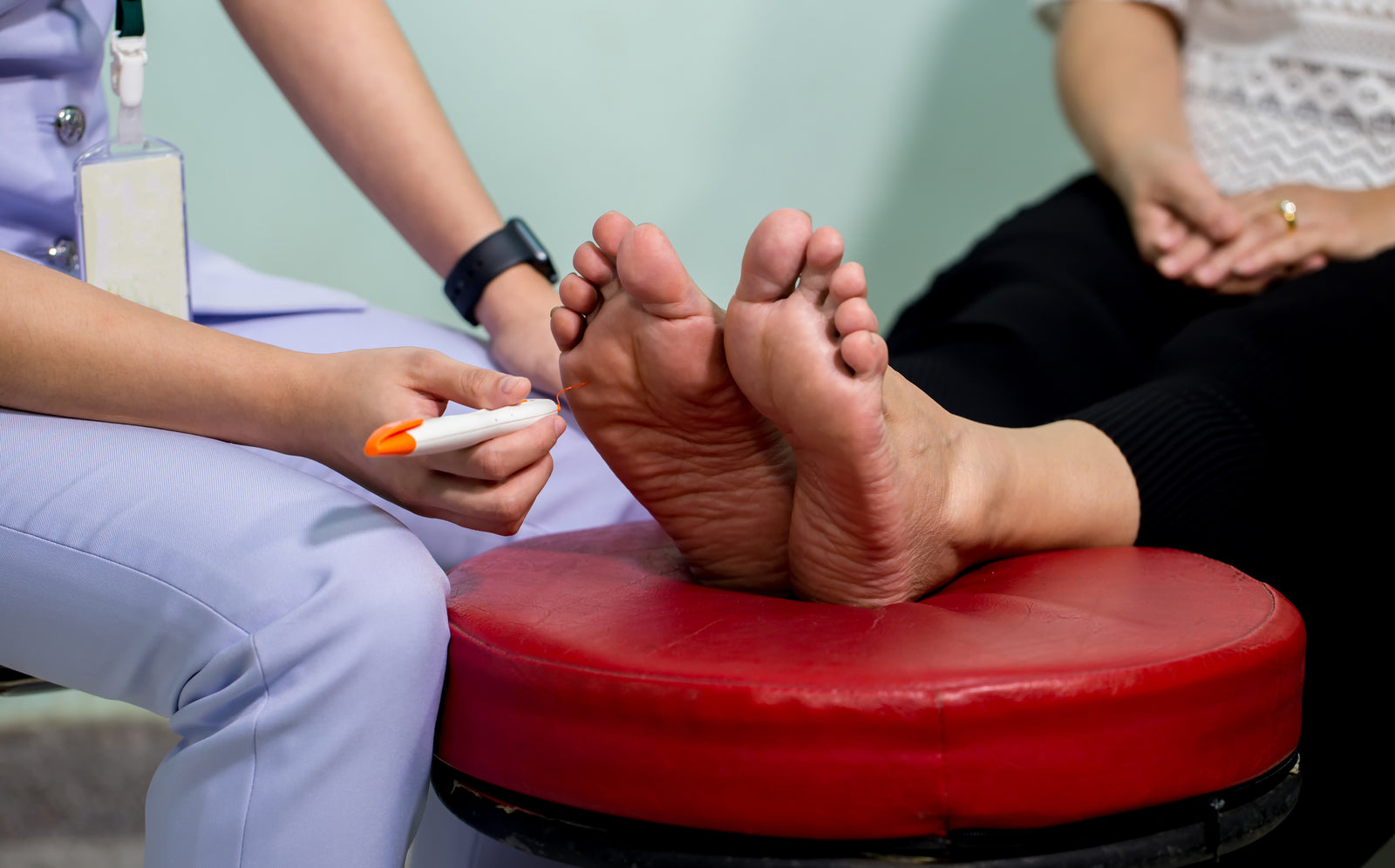
See a doctor as soon as you notice numbness, tingling, burning, shooting pain or weakness in your feet, legs or hands, because early diagnosis provides more options for managing symptoms and preventing complications. Also make an appointment if a treatment you are already using has stopped working, if pain is disturbing your sleep, or if you develop dizziness, digestive problems or bladder changes that could point to autonomic neuropathy. Call your podiatrist the same day for any cut, blister or sore on the foot that is not healing, and go to urgent care for a foot that is red, warm, swollen or draining. Everyone with diabetes should have a comprehensive diabetic foot exam at least once a year. If you are not sure which specialist to call, read who treats diabetic neuropathy.
Frequently asked questions about diabetic neuropathy treatment
What is the best treatment for diabetic neuropathy in the feet?
The best treatment for diabetic neuropathy in the feet combines blood sugar control to slow the damage, a nerve-pain medication such as gabapentin, pregabalin or duloxetine if pain is significant, a topical capsaicin or lidocaine product for localized pain, and daily foot protection. Because numb feet are at high risk of unnoticed injury, foot care is as important as pain relief.
What is the first-line treatment for diabetic neuropathy?
Blood sugar control is the first-line treatment, because it is the only measure that slows the nerve damage itself. For the pain, doctors typically start with one of the prescription nerve-pain medications named in this article, gabapentin, pregabalin or duloxetine, rather than ordinary painkillers, which work poorly for nerve pain.
Can diabetic neuropathy be reversed with treatment?
Established nerve damage usually cannot be reversed, but treatment can stop or slow its progression and substantially reduce symptoms. Early-stage symptoms sometimes improve once blood sugar is brought under control. Read more on whether diabetic neuropathy can be reversed.
Is there a natural treatment for diabetic neuropathy?
Natural approaches that some patients find helpful include regular exercise, a diabetes-friendly diet, quitting smoking, limiting alcohol, massage, acupuncture, biofeedback and relaxation techniques. These support nerve health and comfort but work best alongside, not instead of, blood sugar control and any medication your doctor prescribes.
How can I treat diabetic neuropathy at home?
At home, focus on keeping blood sugar in range, moving every day, checking your feet each evening for cuts, blisters or color changes, wearing non-binding socks and well-fitting shoes, and using relaxation techniques for pain. Avoid heating pads, hot soaks and going barefoot, since reduced sensation makes burns and injuries easy to miss.
References, studies and sources
- Mayo Clinic. Diabetic neuropathy: Symptoms and causes. https://www.mayoclinic.org/diseases-conditions/diabetic-neuropathy/symptoms-causes/syc-20371580
- American Diabetes Association. Neuropathy. https://diabetes.org/about-diabetes/complications/neuropathy
- National Institute of Diabetes and Digestive and Kidney Diseases (NIDDK). Peripheral Neuropathy. https://www.niddk.nih.gov/health-information/diabetes/overview/preventing-problems/nerve-damage-diabetic-neuropathies/peripheral-neuropathy
- Centers for Disease Control and Prevention (CDC). Diabetes and Your Feet. https://www.cdc.gov/diabetes/diabetes-complications/diabetes-and-your-feet.html
- Yale School of Medicine. Randomized, double-blinded, placebo-controlled trial of an infrared textile on transcutaneous oxygen in people with diabetes. ClinicalTrials.gov NCT04460612. https://clinicaltrials.gov/study/NCT04460612
About the author: Dr. Matthew Capozzi, DPM, FACFAS, CWS, is a board-certified foot surgeon through the American Board of Foot and Ankle Surgery. He is a Diplomate of the American Academy of Wound Management and Fellow of the American College of Foot and Ankle Surgeons. He completed a three-year residency program in Foot and Ankle Reconstructive Surgery at St. Francis Hospital & Medical Center in Hartford, CT in 2010. Dr. Capozzi is a board-certified Wound Specialist® granted by the American Academy of Wound Management.
Healthcare disclaimer: Always consult your physician before beginning any program. This general information is not intended to diagnose any medical condition or to replace your healthcare professional. If you experience any pain or difficulty, stop and consult your healthcare provider. CircuFiber socks are a general wellness product intended to promote a temporary increase in local blood flow and circulation; they are not intended to diagnose, treat, cure, or prevent any disease. Individual results vary.