

Written by Dr. Matthew Capozzi, DPM, FACFAS, CWS (board-certified foot surgeon and wound specialist) · Medically reviewed by the CircuFiber Scientific Advisory Board · Updated: October 27, 2026
Diabetic neuropathy self-care means keeping blood sugar in your target range, checking and protecting your feet every day, staying active, and avoiding the habits that damage nerves and blood vessels. Diabetic neuropathy is a condition that damages the nerves by causing numbness, pain, and tingling in the hands, feet, and sometimes other body parts. Self-care cannot undo nerve damage that has already happened, but it can slow its progression, reduce discomfort, and prevent the cuts, blisters, and ulcers that numb feet make so dangerous. Of course, it's crucial to work with medical professionals for tailored advice and guidance.

Key Takeaways
- Diabetic neuropathy affects up to 50% of people with type 1 and type 2 diabetes, and peripheral neuropathy in the feet and legs is the most common form.
- Blood sugar control is the foundation of self-care: monitoring glucose, eating a balanced diet, taking medications as prescribed, and managing stress all help prevent or slow further nerve damage.
- Daily foot care matters most when feet are numb: inspect feet every day, wash and dry them thoroughly, moisturize dry skin, and never go barefoot.
- Movement protects nerves: aim for at least 150 minutes of moderate-intensity aerobic activity per week plus strength training twice a week, choosing low-impact exercises that are safe for your feet.
- Quitting smoking and limiting alcohol support nerve health, because nicotine reduces circulation and alcohol can worsen neuropathy.
- Call your doctor about any new numbness, pain, or a sore that is not healing; self-care supports medical treatment, it does not replace it.
What is diabetic neuropathy?
Diabetic neuropathy is nerve damage caused by prolonged high blood sugar, and it is a common complication of diabetes, affecting up to 50% of people with both type 1 and type 2 diabetes. It's a condition linked to nerve damage due to high blood sugar levels, and it can manifest in various ways. While there are multiple types of diabetic neuropathy, understanding the general aspects can help us manage it effectively.
The primary types of diabetic neuropathy are:
- Peripheral neuropathy: most common form, affecting hands, feet, and legs
- Autonomic neuropathy: impacts internal organs such as the heart, kidneys, and digestive system
- Proximal neuropathy: causes pain, usually in one side of the body, typically the thighs, hips, or buttocks
- Focal neuropathy: targets a specific nerve, resulting in muscle weakness or pain
The specific causes of diabetic neuropathy are still not fully understood, but we do know that high blood sugar can damage nerve fibers. This, in turn, impairs the ability of nerves to transmit signals. Additionally, nerve inflammation and blood vessel damage can contribute to the development of neuropathy in people with diabetes.
Each type of diabetic neuropathy has unique signs and symptoms. Some of the most common ones include:
- Numbness or pain in the hands, feet, and legs
- Problems with digestion and internal organs
- Muscle weakness or paralysis
If you have these symptoms but no diagnosis yet, ask your doctor about diabetic neuropathy testing.
What does a daily diabetic neuropathy self-care routine look like?
A daily diabetic neuropathy self-care routine combines blood sugar management, foot protection, movement, and stress control into habits you repeat every day. By following consistent daily self-care routines, you'll be better equipped to manage your symptoms, reduce complications, and improve your overall well-being. The checklist below summarizes the essentials; the sections that follow explain each one.
| Self-care task | Why it matters with neuropathy | How often |
|---|---|---|
| Check blood sugar | High glucose drives further nerve damage | As often as your doctor advises |
| Inspect both feet (tops, soles, between toes) | Numb feet cannot feel blisters, cuts, or scrapes | Every day |
| Wash with warm water and mild soap, dry thoroughly | Moist skin between toes invites infection | Every day |
| Moisturize tops and bottoms of feet (not between toes) | Prevents dry skin and cracks that can become wounds | Every day |
| Wear well-fitted shoes and non-binding diabetic socks; never go barefoot | Protects skin with reduced sensation | Every day, indoors and out |
| Move: walking, swimming, cycling, or yoga | Improves circulation and blood sugar | 150 minutes per week, plus strength training twice weekly |
| Take prescribed medications | Keeps diabetes and neuropathy symptoms controlled | As directed |
| Manage stress (breathing, meditation, yoga) | Stress raises blood sugar and can worsen symptoms | Daily |
| Comprehensive foot exam with a doctor or podiatrist | Catches problems you cannot feel | At least once a year, more often if advised |
How should you take care of your feet with diabetic neuropathy?
Good foot care is essential for individuals with diabetic neuropathy since this condition can lead to loss of sensation and delayed wound healing. Because you may not feel an injury, your eyes and hands have to do the job your nerves used to do.
Inspect your feet every day
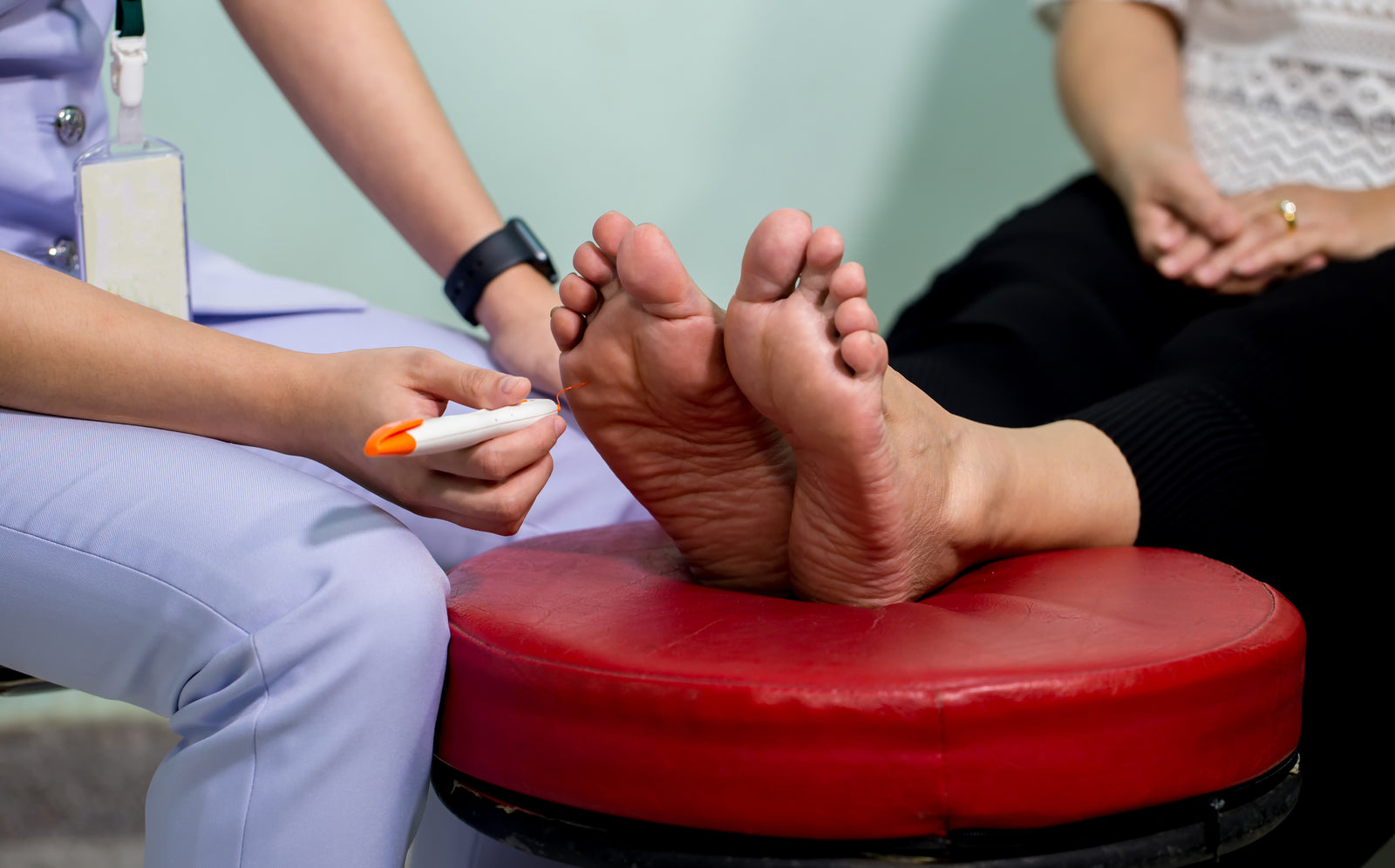
Inspect your feet daily for any blisters, cuts, scrapes, redness, swelling, or changes in skin color. Use a mirror or ask someone to help you check the soles and between the toes. A yearly diabetic foot exam with your doctor or podiatrist adds a professional check for problems you cannot feel.
Wash, dry, and moisturize
Wash your feet with warm water and mild soap, then dry them thoroughly, paying special attention to the spaces between the toes. Test the water temperature with your elbow or a thermometer first, because numb feet can be scalded without you noticing. Moisturize your feet to prevent dry skin and cracks, but keep lotion away from the spaces between your toes, where extra moisture can encourage infection.
Protect your feet with the right shoes and socks
Wear well-fitted, comfortable, cushioned shoes and socks every day, and avoid going barefoot, even at home. Shoes that rub or pinch can open a blister you will not feel; our guide to shoes for diabetic neuropathy explains what to look for. Choose socks with a non-binding top and no bulky seams so nothing presses on the skin. Any sore that does not start healing within a few days needs a medical look, because it can progress to a diabetic foot ulcer.
How do you manage blood sugar as part of neuropathy self-care?
Managing blood sugar levels is crucial to prevent or slow the progression of diabetic neuropathy, and it is the single most important self-care skill. Monitoring blood glucose and adjusting medications, as needed, helps prevent nerve damage and promotes better nerve function. Talk to your healthcare provider about setting achievable blood sugar targets and effective ways to achieve them. Mastering this self-care skill requires attention to diet, exercise, medication, and stress management.
Monitor your blood sugar levels
Keeping track of your blood glucose levels helps you manage your diabetes effectively. It's recommended to test your blood sugar levels as often as your doctor advises. Read more on why checking your blood sugar matters.
Maintain a healthy diet
Eating a balanced diet rich in fruits, vegetables, and whole grains can help you control your blood sugar levels. Try to limit your intake of added sugars and unhealthy fats, focusing on lean proteins and fiber. A sample day might look like:
- Breakfast: Whole grain cereal with low-fat milk and fresh fruit
- Lunch: Grilled chicken salad with a variety of colorful veggies
- Dinner: Baked fish with brown rice and steamed vegetables
- Snacks: Nuts, yogurt, or raw veggies with low-fat dip
Proper nutrition is essential for diabetics to maintain healthy nerves. Here are some dietary tips for better nerve health:
- Limit refined sugars and unhealthy fats
- Eat fiber-rich foods, including fruits, vegetables, and whole grains
- Opt for lean protein sources, such as poultry, fish, and beans
- Include healthy fats, like avocados, nuts, and olive oil
Take your prescribed medications
Follow your doctor's instructions regarding any medications you're taking to manage your diabetes, neuropathy, or other related conditions. If you have any concerns about your medications, don't hesitate to consult your healthcare provider. Your doctor can also walk you through diabetic neuropathy treatment options if symptoms are not controlled by self-care alone.
Which lifestyle changes improve nerve health with diabetic neuropathy?
Regular exercise, controlling blood pressure and cholesterol, quitting smoking, limiting alcohol, and managing stress all support nerve health in people with diabetic neuropathy. Adopting a healthy lifestyle can significantly alleviate diabetic neuropathy symptoms and improve overall nerve health.
Stay active
Exercise is important in managing your blood sugar levels and improving your nerve function. Incorporating regular exercise into your routine, such as walking, swimming, or yoga, boosts blood circulation and reduces high blood sugar levels. Aim for at least 150 minutes of moderate-intensity aerobic exercise per week, along with strength training at least twice a week. Choose exercises that are low impact and safe for your feet, and consult a doctor or a physical therapist for guidance; these six exercises for people with diabetes are a good starting point.
Manage blood pressure and cholesterol
To reduce the risk of nerve damage further, manage high blood pressure, cholesterol, and other factors that contribute to nerve damage. Lifestyle changes and medications can help maintain optimal blood pressure, reducing the risk of neuropathy.
Quit smoking
Quitting smoking significantly benefits nerve health since nicotine can negatively impact blood circulation. Seek assistance from healthcare providers, counselors, or support groups to help you quit smoking and improve your overall health.
Limit alcohol
Alcohol consumption may exacerbate neuropathy, so try to limit your alcohol intake or avoid it altogether. Guidelines suggest no more than one drink per day for women and up to two drinks per day for men.
Manage stress
Stress can contribute to increased blood sugar levels and worsen neuropathy symptoms. Develop effective stress management strategies, such as deep breathing exercises, meditation, or yoga. Our guide to stress management with diabetes has more practical techniques.
Can diabetic socks help with diabetic neuropathy self-care?
Diabetic socks do not treat neuropathy, but they are a useful daily protection and warmth tool for feet that have lost sensation. A good diabetic sock has a non-binding top that does not squeeze the calf or restrict blood flow, a seamless or padded construction that will not rub skin you cannot feel, and moisture-wicking fabric that keeps feet dry. For a detailed comparison, see our guide to diabetic socks vs. compression socks.
CircuFiber diabetic socks add one more element. The fabric is woven with Circulight® IR fibers containing thermoreactive mineral particles that absorb your own body heat and reflect it back into the foot as far-infrared energy, which promotes a temporary increase in local blood flow and circulation. In a randomized, double-blinded, placebo-controlled trial at Yale School of Medicine (ClinicalTrials.gov NCT04460612, published in Diabetes & Vascular Disease Research, 2023), the active textile significantly increased transcutaneous oxygen in the feet of people with diabetes compared with a placebo sock, with the difference visible at 40 minutes and significant at 60 minutes. CircuFiber socks also carry the APMA Seal of Acceptance.
What this means in practice: treat socks as the protective layer in your foot-care routine, worn with well-fitting shoes, alongside blood sugar control and daily inspection, not as a substitute for any of them.
When should you see a doctor about diabetic neuropathy?
See your doctor or podiatrist if you notice new or worsening numbness, tingling, burning, or pain in your feet or hands, any cut, blister, or sore that is not healing, redness, swelling, or warmth in one foot, or changes in how you walk or balance. People with diabetes should also have a comprehensive foot exam at least once a year, and more often once neuropathy has been diagnosed. Regular check-ups, blood tests, and good communication with your doctor are crucial in this process. Never hesitate to seek professional help from healthcare providers; your healthcare team is there to support and guide you through the complex journey of managing diabetic neuropathy.
Frequently asked questions about diabetic neuropathy self-care
Can self-care reverse diabetic neuropathy?
Self-care cannot reverse established nerve damage, but keeping blood sugar in range and following the habits above can slow or stop its progression and reduce symptoms. Early-stage symptoms sometimes improve once blood sugar is well controlled. Read more on whether diabetic neuropathy can be reversed.
Is it safe to soak my feet if I have diabetic neuropathy?
Long soaks are generally discouraged for people with diabetic neuropathy because they soften and dry out the skin, which makes cracks and infections more likely, and numb feet can be scalded by water that feels fine to others. Washing with warm (not hot) water and drying thoroughly is the safer daily routine. If your doctor approves a soak, keep it short and test the temperature first.
Can I use a heating pad or hot water bottle on numb feet?
No. With reduced sensation you can burn your skin without feeling it. Warm socks, movement, and a warm room are the safe ways to warm cold feet with neuropathy.
What exercises are safe with diabetic neuropathy?
Low-impact activities such as walking in well-fitting shoes, swimming, stationary cycling, yoga, and chair or resistance-band strength work are generally safe and improve circulation and blood sugar. Check your feet before and after exercise, and ask your doctor or a physical therapist before starting a new program, especially if you have balance problems or an open sore.
How often should I check my feet with diabetic neuropathy?
Every day, ideally at the same time, such as before bed. Look at the tops, soles, heels, and between the toes for blisters, cuts, redness, or swelling, and feel for warm spots. See a doctor or podiatrist for a professional exam at least once a year.
Does managing stress really affect neuropathy?
Yes, indirectly. Stress hormones raise blood sugar, and higher blood sugar drives nerve damage and can make pain and tingling feel worse. Deep breathing, meditation, yoga, and good sleep are simple ways to keep stress, and therefore blood sugar, steadier.
References, studies and sources
- Mayo Clinic. Peripheral neuropathy: Symptoms and causes. https://www.mayoclinic.org/diseases-conditions/peripheral-neuropathy/symptoms-causes/syc-20352061
- National Institute of Diabetes and Digestive and Kidney Diseases (NIDDK). Peripheral Neuropathy. https://www.niddk.nih.gov/health-information/diabetes/overview/preventing-problems/nerve-damage-diabetic-neuropathies/peripheral-neuropathy
- American Diabetes Association. Neuropathy. https://diabetes.org/about-diabetes/complications/neuropathy
- Centers for Disease Control and Prevention. Diabetes and Your Feet. https://www.cdc.gov/diabetes/diabetes-complications/diabetes-and-your-feet.html
- Yale School of Medicine. Randomized, double-blinded, placebo-controlled trial of an infrared textile on transcutaneous oxygen in people with diabetes. ClinicalTrials.gov NCT04460612. https://clinicaltrials.gov/study/NCT04460612
About the author: Dr. Matthew Capozzi, DPM, FACFAS, CWS, is a board-certified foot surgeon through the American Board of Foot and Ankle Surgery. He is a Diplomate of the American Academy of Wound Management and Fellow of the American College of Foot and Ankle Surgeons. He completed a three-year residency program in Foot and Ankle Reconstructive Surgery at St. Francis Hospital & Medical Center in Hartford, CT in 2010. Dr. Capozzi is a board-certified Wound Specialist® granted by the American Academy of Wound Management.
Healthcare disclaimer: Always consult your physician before beginning any program. This general information is not intended to diagnose any medical condition or to replace your healthcare professional. If you experience any pain or difficulty, stop and consult your healthcare provider. CircuFiber socks are a general wellness product intended to promote a temporary increase in local blood flow and circulation; they are not intended to diagnose, treat, cure, or prevent any disease. Individual results vary.