

Written by Dr. Matthew Capozzi, DPM, FACFAS, CWS (board-certified foot surgeon and wound specialist) · Medically reviewed by the CircuFiber Scientific Advisory Board · Updated: October 28, 2026
Weight loss is one of the most effective ways to improve blood sugar control in diabetes, especially type 2 diabetes. Losing excess weight lowers the body's resistance to insulin, which makes it easier to keep blood sugar stable and reduces the risk of complications such as neuropathy, kidney disease, heart disease and stroke. Even a modest amount of weight loss can bring substantial health benefits. The approaches that work combine dietary changes, regular physical activity, consistent monitoring and a plan agreed with your healthcare team.
Key Takeaways
- Weight loss improves insulin sensitivity, which makes blood sugar easier to keep in your target range and can reduce the need for medication.
- Modest weight loss matters. Losing even a small amount of weight can lower blood pressure and cholesterol and reduce the risk of diabetes-related complications.
- The core strategies are a balanced, lower-carbohydrate diet built on vegetables, lean proteins, whole grains and healthy fats; portion control; at least 150 minutes a week of moderate-intensity activity; and tracking your progress.
- Diabetes-specific challenges include insulin resistance, medications (including insulin) that can cause weight gain, and the risk of hypoglycemia when diet or activity changes.
- Unexplained weight loss is different: losing weight without trying can be a sign of high, uncontrolled blood sugar and should be checked by a doctor.
How does weight loss help diabetes?
Weight loss helps diabetes by lowering the body's resistance to insulin, which makes it easier to maintain stable blood sugar levels. Research consistently shows that weight loss can profoundly impact blood glucose levels. Losing weight decreases the body's resistance to insulin, making it easier to maintain stable blood sugar levels. This is crucial because stabilized blood sugar levels reduce the risk of diabetes-related complications, such as neuropathy, kidney disease, and cardiovascular issues.
Better insulin sensitivity and blood sugar control
Achieving a healthier weight can improve the body's ability to use insulin efficiently, thereby helping in stabilizing blood sugar levels. This is particularly essential for individuals with type 2 diabetes, where insulin resistance and how to improve sensitivity is a central issue. A decrease in body fat leads to an improvement in the body's insulin sensitivity, reducing the need for medication and minimizing the risk of blood sugar spikes.
Lower risk of complications
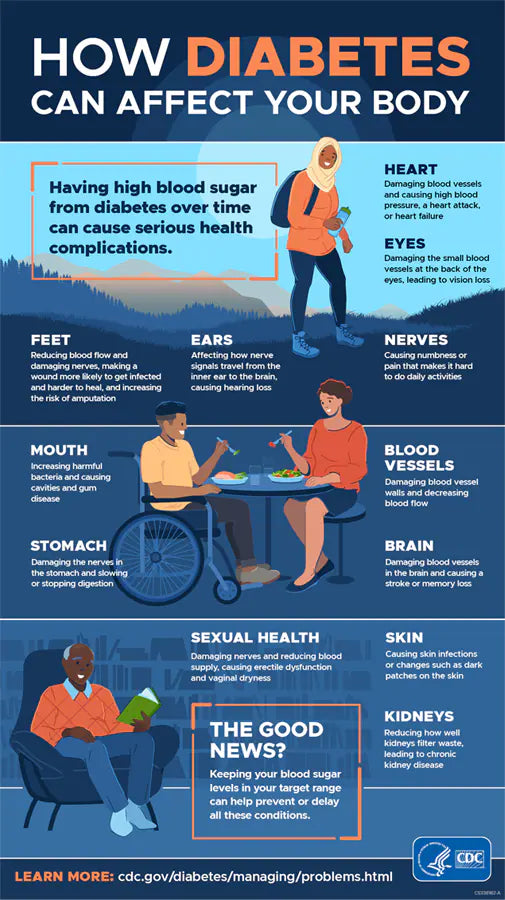
Weight management helps in mitigating the risk of developing diabetes-related complications. Excess weight, especially around the abdomen, increases the likelihood of encountering serious health issues, including heart disease, stroke, and kidney problems. By maintaining a healthy weight, individuals can considerably lower their chances of facing these severe complications, so enhancing their quality of life and longevity.
Better blood pressure and cholesterol
Weight loss contributes to lowered blood pressure and cholesterol levels, factors that are often problematic in individuals with diabetes. By managing weight, people can achieve better overall health, reducing the burden of diabetes management on their daily lives. It's crucial for individuals living with diabetes to understand how losing even a modest amount of weight can lead to substantial health benefits.
What is the best way to lose weight with diabetes?
The best way to lose weight with diabetes is a comprehensive approach that combines diet, physical activity, and behavioral changes, tailored to your own diabetes management plan. The table below summarizes the main levers and why each one helps.
| Strategy | What to do | Why it helps with diabetes |
|---|---|---|
| Lower-carb, balanced diet | Build meals around vegetables, lean proteins, healthy fats and whole grains; limit processed foods and sugars | Lowers blood sugar and supports weight loss |
| Low glycemic index foods and portion control | Choose leafy greens, whole grains and lean proteins; watch portion sizes | Stabilizes blood sugar and regulates calorie intake |
| Regular physical activity | At least 150 minutes a week of moderate-intensity activity such as brisk walking, cycling or swimming | Burns calories and improves insulin sensitivity directly |
| Behavioral changes | Set realistic goals, keep a food and exercise journal, join a support group | Builds the habits needed for long-term success |
| Monitoring | Track weight weekly, waist monthly, and blood sugar alongside meals, activity and medication | Shows what is working and when to adjust |
| Medication review | Discuss your medications with your healthcare provider | Some diabetes medications affect weight; your provider may adjust them safely |
Dietary changes
Adjusting dietary habits is the first lever for diabetes weight loss. Studies suggest that reducing carbohydrate intake helps lower blood sugar levels and promotes weight loss. Incorporating plenty of vegetables, lean proteins, and healthy fats can create a balanced, low-carb diet that supports both weight and diabetes management. Integrating foods with a low glycemic index, such as leafy greens, whole grains, and lean proteins, supports blood sugar stabilization. We encourage focusing on portion control, which plays a pivotal role in calorie intake regulation, thereby facilitating weight reduction. It's advisable to minimize the consumption of processed foods and sugars, which can lead to blood sugar spikes and weight gain. For meal-level guidance, see our guides to crafting a diabetic diet plan and daily carb intake for diabetics.
Increased physical activity
Regular physical activity is a powerful tool for enhancing insulin sensitivity and accelerating weight loss. Regular exercise aids in burning calories and improving insulin sensitivity. Engaging in at least 150 minutes of moderate-intensity exercise per week, such as brisk walking, cycling, or swimming, proves beneficial, providing the dual benefit of weight loss and enhanced mood. We emphasize the importance of consulting with healthcare professionals before starting any new exercise program, especially for individuals with existing health concerns. Read more on building a diabetes exercise plan and whether exercise can lower blood sugar. If you are walking more, check your feet daily for blisters and wear well-fitting shoes and socks; see ways to care for diabetic feet.
Behavioral changes and support
Behavioral changes help weight loss last. Setting realistic goals, keeping a food and exercise journal, and seeking support from health professionals or support groups can significantly impact one's ability to lose weight and manage diabetes effectively. These behavioral changes foster a mindset that is conducive to long-term success. Seeking support from healthcare providers, including dietitians and endocrinologists, can provide personalized advice and encouragement. Joining support groups, either in person or online, offers the opportunity to share experiences and strategies with others facing similar challenges.
Medication adjustment
Certain diabetes medications may impact weight. Hence, discussing medication options with a healthcare provider is important, as they might adjust prescriptions to support weight loss goals without compromising blood sugar control. Never stop or change a diabetes medication on your own.
Tailoring the plan to you
Given the unique challenges that diabetes presents, it's essential for weight loss plans to be tailored to individual needs. Consulting with healthcare providers ensures that dietary guidelines and exercise regimens are safe and effective, taking into account any other health conditions and the specifics of one's diabetes management plan.
How should you track weight loss progress with diabetes?
Track weight loss progress with diabetes by logging your weight weekly, measuring your waist monthly, and keeping a daily blood sugar log alongside notes on meals, activity and medication. By keeping track of changes, individuals can make informed decisions about their health and adjust their strategies as needed.
Tracking weight and waist size
Logging your weight on a regular basis is crucial. We recommend using the same scale, at the same time of day, preferably in the morning, for consistency. Recording your weight weekly rather than daily minimizes discouragement from natural fluctuations and provides a clearer picture of your long-term progress. Including measurements of waist circumference monthly can offer additional insight. Since individuals with diabetes often aim to reduce abdominal fat, waist measurements can be a strong indicator of health improvements, even when the scale shows minor changes.
Monitoring blood sugar levels
Regular monitoring of blood sugar levels is essential for those with diabetes, especially when undergoing weight loss. Blood glucose readings can be affected by various factors, including diet, exercise, and weight changes. Keeping a daily log of your readings alongside notes on your meals, physical activity, and medication adjustments helps in understanding how these factors influence your glucose levels. This log becomes a valuable tool for recognizing patterns, making necessary adjustments, and discussing your progress with healthcare providers. See our tips for blood sugar monitoring.
Using apps and wearable glucose monitors
Technology offers powerful tools for monitoring your health. Numerous apps are designed to track dietary intake, physical activity, weight changes, and blood glucose levels. These platforms often allow for easy sharing of data with healthcare professionals, facilitating tailored advice and support. Wearable devices that continuously monitor glucose levels provide real-time feedback, enabling immediate adjustments to activities and diet, and offer insights into how lifestyle changes affect blood sugar levels throughout the day.
Check-ins with your healthcare provider
Regular check-ins with healthcare providers are vital. These appointments are opportunities to review your progress, adjust medications if necessary, and receive professional advice on further improving your health. Sharing your logs and data with your provider ensures that your weight loss and diabetes management plan is effective and tailored to your needs.
Why is it harder to lose weight with diabetes?
Losing weight can be harder with diabetes because of insulin resistance, medications that can cause weight gain, and the risk of low blood sugar when diet or activity changes. Achieving significant weight loss and maintaining it over time can be more complex due to these diabetes-specific factors.
Insulin resistance
Insulin resistance, a hallmark of type 2 diabetes, can make losing weight a tough hill to climb. Insulin is a hormone that allows our bodies to use glucose for energy. When cells become resistant to insulin, glucose accumulates in the bloodstream instead of being utilized, which can lead to weight gain or difficulty losing weight. This paradox creates a frustrating cycle for individuals attempting to shed pounds.
Medications that can cause weight gain
Certain medications prescribed for diabetes management, including insulin, can result in weight gain. These medications are essential for keeping blood sugar levels in check but can counteract weight loss efforts. Adjusting these medications requires a healthcare provider's oversight, making it imperative to communicate openly and regularly with one's medical team about weight loss goals.
Hypoglycemia (low blood sugar)
Hypoglycemia, or low blood sugar levels, can occur during periods of heightened physical activity or dietary changes aimed at weight loss. Symptoms of hypoglycemia may prompt individuals to consume fast-acting carbohydrates, which can interfere with weight loss progress. Developing strategies to prevent or treat hypoglycemia without derailing diet plans is a critical skill that takes time and experience to master.
Balancing diet and exercise
Finding the right balance between dietary restrictions and physical activity necessitates a tailored approach. Dietary modifications that focus on limiting carbohydrates are effective for blood sugar control but must be balanced with the body's needs during weight-loss-focused exercise regimens. It's essential to incorporate a diet rich in fiber, lean proteins, and healthy fats to support both diabetes management and weight loss.
When should you see a doctor about diabetes and weight loss?
See your doctor before starting a weight loss plan if you take insulin or other diabetes medications, before beginning a new exercise program, and whenever you have frequent low blood sugar episodes while dieting or exercising. Your healthcare team, including dietitians and endocrinologists, can adjust medications and tailor your plan so it is safe and effective. See a doctor promptly if you are losing weight without trying, especially with increased thirst, frequent urination or fatigue, because unexplained weight loss can be a sign of high, uncontrolled blood sugar (see nine signs of type 2 diabetes).
Frequently asked questions about diabetes weight loss
Does diabetes cause weight loss?
Diabetes can cause weight loss when blood sugar is high and uncontrolled. When the body cannot use glucose for energy because of a lack of insulin or insulin resistance, it may break down fat and muscle instead, and sugar is lost in the urine. Unexplained weight loss is more typical of type 1 diabetes but can occur in type 2, and it always warrants a blood sugar check with your doctor.
How do you stop unintentional weight loss with diabetes?
Unintentional weight loss with diabetes is usually addressed by bringing blood sugar back under control, which means seeing your doctor so your treatment plan can be reviewed. Do not try to fix it by eating more sugar. Your healthcare team can check for other causes and adjust medications or diet as needed.
Can diabetes medication help with weight loss?
Certain diabetes medications may impact weight, in either direction; some, including insulin, can cause weight gain. Discuss medication options with your healthcare provider, who may adjust prescriptions to support weight loss goals without compromising blood sugar control. Do not start, stop or change a medication without medical advice.
How much weight do you need to lose to improve type 2 diabetes?
Losing even a modest amount of weight can lead to substantial health benefits in type 2 diabetes, including better insulin sensitivity, lower blood pressure and lower cholesterol. Your doctor can help you set a realistic target based on your health. Learn more about controlling type 2 diabetes.
How much exercise do you need to lose weight with diabetes?
At least 150 minutes a week of moderate-intensity exercise, such as brisk walking, cycling or swimming, is recommended for people with diabetes. Consistent physical activity aids weight loss and improves insulin sensitivity directly. Check with your healthcare provider before starting a new exercise program, and monitor blood sugar for lows.
References, studies and sources
- Centers for Disease Control and Prevention (CDC). Healthy Weight and Diabetes. https://www.cdc.gov/diabetes/managing/healthy-weight.html
- American Diabetes Association. Diabetes overview and resources. https://diabetes.org/
- National Institute of Diabetes and Digestive and Kidney Diseases (NIDDK). Diabetes. https://www.niddk.nih.gov/health-information/diabetes
- Mayo Clinic. Diabetes: Symptoms and causes. https://www.mayoclinic.org/diseases-conditions/diabetes/symptoms-causes/syc-20371444
About the author: Dr. Matthew Capozzi, DPM, FACFAS, CWS, is a board-certified foot surgeon through the American Board of Foot and Ankle Surgery. He is a Diplomate of the American Academy of Wound Management and Fellow of the American College of Foot and Ankle Surgeons. He completed a three-year residency program in Foot and Ankle Reconstructive Surgery at St. Francis Hospital & Medical Center in Hartford, CT in 2010. Dr. Capozzi is a board-certified Wound Specialist® granted by the American Academy of Wound Management.
Healthcare disclaimer: Always consult your physician before beginning any program. This general information is not intended to diagnose any medical condition or to replace your healthcare professional. If you experience any pain or difficulty, stop and consult your healthcare provider. CircuFiber socks are a general wellness product intended to promote a temporary increase in local blood flow and circulation; they are not intended to diagnose, treat, cure, or prevent any disease. Individual results vary.