

Written by Dr. Matthew Capozzi, DPM, FACFAS, CWS (board-certified foot surgeon and wound specialist) · Medically reviewed by the CircuFiber Scientific Advisory Board · Updated: October 27, 2026
Established diabetic neuropathy is generally not reversible, but its progression can be slowed and early symptoms can improve with tight blood sugar control. Diabetic neuropathy is a type of nerve damage caused by prolonged high blood sugar levels in individuals with diabetes. There have been instances where people with less severe forms of diabetic neuropathy have experienced improvement in their symptoms after strict control of blood sugar levels. However, in cases where the damage is extensive and long-standing, reversing neuropathy might not be possible, so the realistic goals are to stop further damage, manage symptoms, and protect the feet.

Key Takeaways
- Complete reversal of diabetic neuropathy is not a known feasible outcome. Once nerve fibers are extensively damaged, they do not fully heal.
- Partial improvement is possible, especially in early or mild neuropathy, when blood sugar is brought into the target range and kept there.
- Progression can be slowed or halted with a combination of strict blood sugar management, medication, and lifestyle changes.
- About half of people with diabetes have some form of nerve damage, according to the National Institute of Diabetes and Digestive and Kidney Diseases (NIDDK).
- Symptoms can be managed with prescription medications, physical therapy, and daily foot care even when the underlying damage remains.
- Early detection matters most. The sooner neuropathy is caught and blood sugar controlled, the more nerve function can be preserved.
Is diabetic neuropathy reversible?
Diabetic neuropathy is not fully reversible, but the answer depends on how early it is caught and how severe the nerve damage is. There's no one-size-fits-all answer to whether neuropathy can be reversed or not, as it depends on the severity of the condition and the individual. There have been instances where people with less severe forms of diabetic neuropathy have experienced improvement in their symptoms after strict control of blood sugar levels. However, in cases where the damage is extensive and long-standing, reversing neuropathy might not be possible.
It's essential to work closely with your healthcare team to devise a comprehensive treatment plan. A combination of strict blood sugar management, medication, and lifestyle changes may help slow down or halt the progression of diabetic neuropathy. Remember, the focus should be on preventing further damage and managing existing symptoms for an improved quality of life. For an overview of the condition itself, read our guide to diabetic neuropathy causes and management.
Partial reversal versus complete reversal
Partial reversal means symptoms improve while some nerve damage remains; complete reversal means the nerves have entirely healed, which is not yet a known feasible outcome. Partial reversal may be achievable with appropriate care and dedication; this means that symptoms could improve or diminish, but some damage to the nerves may remain. The emphasis should be on managing blood glucose levels and adopting a healthy lifestyle to prevent the progression of diabetic neuropathy. Early detection and intervention are crucial components for managing this condition successfully.
What is diabetic neuropathy and who gets it?
Diabetic neuropathy is a type of nerve damage that occurs in individuals with diabetes. High blood sugar levels can damage nerves throughout the body, and diabetic neuropathy often affects the legs and feet. It usually affects the feet and legs, leading to tingling, numbness, and sharp pain, but can also impact other areas of the body. Before considering whether this condition can be reversed, it's essential to comprehend the different types of diabetic neuropathy:
- Peripheral neuropathy: The most common form, impacting feet, legs, hands, and arms. Numbness is often the first sign; see numb feet and diabetes.
- Autonomic neuropathy: Affects automatic bodily functions, including digestion, heart rate, and blood pressure. Read more about autonomic neuropathy.
- Proximal neuropathy: Causes pain and weakness in the hips, thighs, or buttocks.
- Focal neuropathy: Results in sudden, severe pain in a specific area or group of nerves.
The risk of experiencing diabetic neuropathy increases the longer someone has diabetes. According to the National Institute of Diabetes and Digestive and Kidney Diseases (NIDDK), about 50% of individuals with diabetes have some form of nerve damage.
Below is a table that demonstrates some essential statistics related to diabetic neuropathy:
| Statistic | Percentage |
|---|---|
| People with diabetes who are at risk of diabetic neuropathy | 60-70% |
| People with type 1 diabetes who develop diabetic neuropathy | 25-30% |
| People with type 2 diabetes who develop diabetic neuropathy | 30-50% |
Risk factors that make nerve damage more likely
Several factors increase the risk of developing diabetic neuropathy and can speed up its progression:
- High blood sugar levels
- Duration of diabetes
- Kidney disease
- Low levels of insulin
- Smoking
- Obesity
- Poor blood circulation
What can improve diabetic neuropathy symptoms?
Blood sugar control is the single most important lever, and lifestyle changes support it. Although managing blood sugar levels can help prevent or slow the progression of neuropathy, many wonder if it's possible to reverse the damage already done. Lifestyle changes are one approach that might help with this challenge. Here, we'll examine how certain adjustments can contribute to improving symptoms and protecting remaining nerve function.
Keep blood sugar in the target range
Blood sugar control is a vital part of managing diabetic neuropathy. A well-maintained blood sugar level can help prevent progression, and it's achieved through a balanced diet, regular exercise, and proper medications. Checking regularly is how you know you are in range. Typical targets your doctor may set are:
| Parameter | Target Range |
|---|---|
| Fasting blood sugar | 80-130 mg/dL |
| Post-meal blood sugar | < 180 mg/dL |
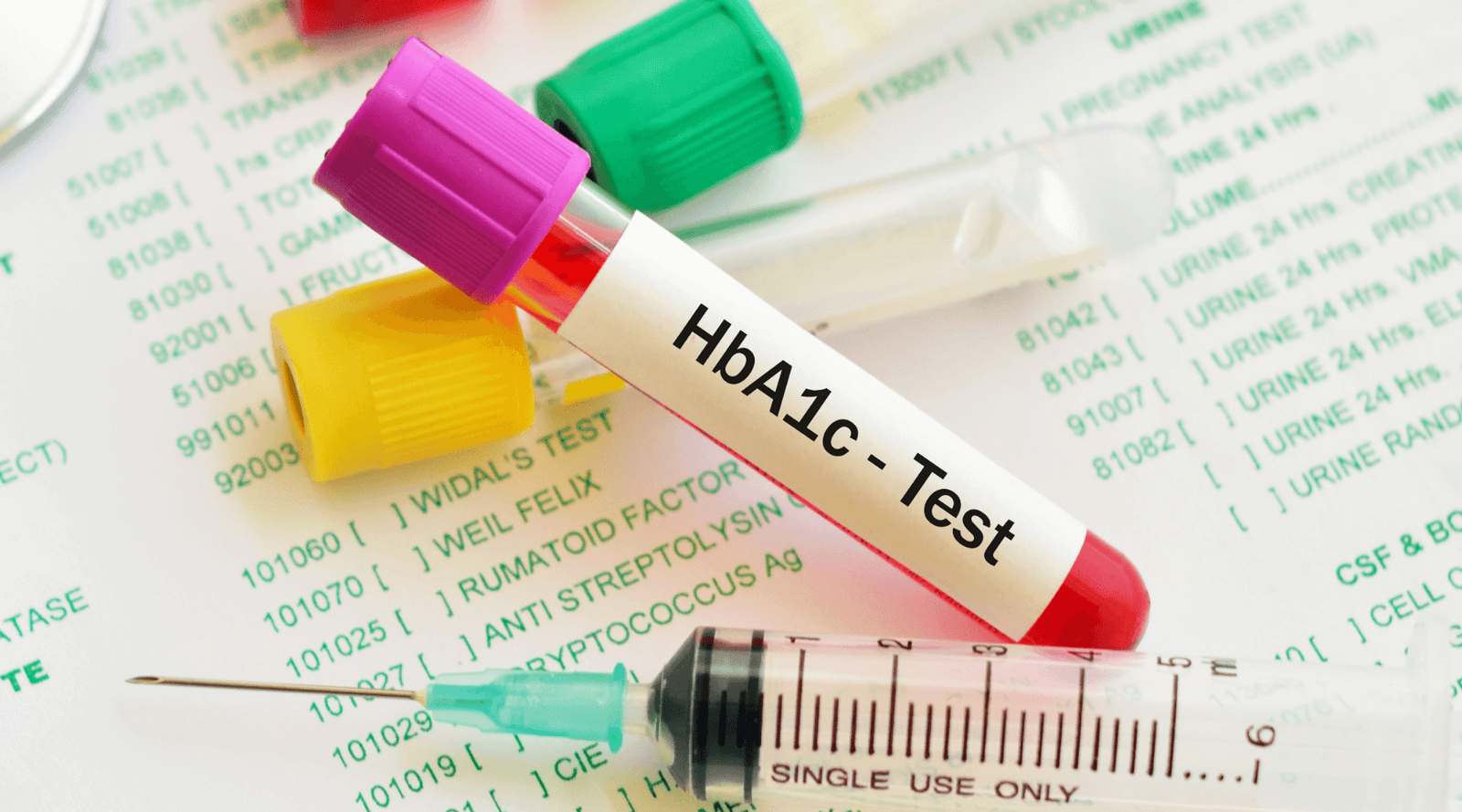
| HbA1c | < 7% |
Physical activity
Physical activity is the first critical step to addressing neuropathy. Incorporating regular exercise into your routine can improve blood sugar control, boost circulation, and enhance nerve health. We recommend:
- Walking for 30 minutes on most days
- Resistance training at least twice a week
- Flexibility exercises, like yoga or tai chi
Eating a balanced diet
Eating a balanced diet plays an essential role as well. By consuming a mix of healthy carbohydrates, proteins, and fats, you can support better blood sugar control and prevent further nerve damage. A structured diabetic diet plan makes this easier. Some tips to consider include:
- Select whole-grain carbohydrates over refined varieties
- Incorporate lean protein sources, like fish and poultry
- Choose unsaturated fats, such as avocados and nuts
- Load up on vegetables and high-fiber fruits
Healthy weight, no smoking, less alcohol
Maintaining a healthy weight is another crucial component. Excess weight can make blood sugar control more difficult, so shedding any extra pounds can be beneficial in improving neuropathy symptoms. Consult a healthcare professional for personalized weight management advice and strategies.
Furthermore, quitting smoking and moderating alcohol consumption can both greatly contribute to better overall health and improve neuropathy. Smoking is known to decrease blood flow, while excessive alcohol intake can cause vitamin deficiencies, both of which exacerbate nerve damage.
Here is a summary of the key lifestyle changes:
| Change | Potential Benefit |
|---|---|
| Physical activity | Improved circulation, blood sugar control, and nerve health |
| Balanced diet | Better blood sugar control and nerve protection |
| Healthy weight | Easier blood sugar management and symptom relief |
| Quitting smoking | Enhanced blood flow and nerve healing |
| Moderating alcohol | Prevention of vitamin deficiencies and further nerve damage |
By implementing these lifestyle changes, it's possible to improve diabetic neuropathy symptoms significantly. However, it's essential to note that everyone's body reacts differently, and not all neuropathy sufferers will see complete reversal. That being said, adopting these healthier habits will undoubtedly benefit your overall well-being. For more options, see natural treatment for diabetic neuropathy.
What medical treatments help with diabetic neuropathy?
Medical treatments for diabetic neuropathy manage pain and symptoms and slow progression; they do not regrow damaged nerves. Diabetic neuropathy can be a challenging condition to manage, but various medical treatments and therapies aim to alleviate symptoms and slow down disease progression. A full breakdown is in our guide to diabetic neuropathy treatment. We're going to cover a few of these options available to patients:
Medications
Medications are among the most common treatments that help manage diabetic neuropathy symptoms. These include:
- Pain relievers such as over-the-counter anti-inflammatory drugs (e.g. ibuprofen) and prescription medications like gabapentin, pregabalin, and duloxetine
- Antidepressants which can help with nerve pain relief, like amitriptyline and nortriptyline
- Anticonvulsants for controlling pain-related symptoms, like carbamazepine and oxcarbazepine
- Cholesterol-lowering medications such as rosuvastatin (CRESTOR), prescribed to reduce LDL cholesterol and protect blood vessels, which supports overall circulation rather than treating the nerves directly
Physical therapy and TENS
Physical therapy is beneficial for patients experiencing muscle weakness or mobility issues due to diabetic neuropathy. We recommend incorporating exercises that focus on:
- Strengthening muscles
- Improving balance
- Enhancing flexibility
Transcutaneous electrical nerve stimulation (TENS) refers to the use of low-voltage electrical currents to manage pain. These sessions usually last for about 30 minutes and can be repeated multiple times during the day.
Procedures for severe cases
For severe and unresponsive cases, surgical or device-based treatments may be considered in selected patients, such as:
- Nerve decompression surgery: a procedure to release pressure on specific nerves that may alleviate pain
- Spinal cord stimulation: involves implanting a device that sends electrical signals to the spinal cord reducing pain signals
It's important to note that while we can't eliminate diabetic neuropathy entirely, these medical treatments and therapies can significantly improve a patient's quality of life. Consulting with your healthcare provider is crucial. They can help customize an individualized treatment plan for better management of diabetic neuropathy symptoms.
Habits that keep neuropathy from getting worse
Stopping progression comes down to keeping blood sugar in range, protecting the feet every day, and removing the risk factors you can control. To manage diabetic neuropathy effectively, it's crucial to maintain blood sugar levels within the target range, adjust medications as needed, and embrace lifestyle changes. Some habits that can help reduce the impact of diabetic neuropathy include:
- Regular physical activity
- Healthy diet choices
- Proper foot care, including a daily self-check and a yearly diabetic foot exam (our diabetic neuropathy self-care guide has a daily routine)
- Smoking cessation
Because neuropathy reduces sensation, avoid going barefoot, never use heating pads or hot soaks on numb feet, and do not trim calluses or corns at home; a cut you cannot feel can become an ulcer.
Can diabetic socks help with neuropathy symptoms?
Diabetic socks cannot reverse nerve damage, but they can make feet with neuropathy more comfortable and better protected day to day. A good diabetic sock has a non-binding top that does not restrict blood flow, a seamless toe so there is no rubbing on skin you may not be able to feel, and moisture-wicking fabric to keep feet dry and warm. For how they differ from compression socks, see diabetic socks vs. compression socks.
CircuFiber diabetic socks add a warmth and circulation mechanism. The fabric is woven with Circulight® IR fibers containing thermoreactive mineral particles that absorb your own body heat and reflect it back into the foot as far-infrared energy, which promotes a temporary increase in local blood flow and circulation. In a randomized, double-blinded, placebo-controlled trial at Yale School of Medicine (ClinicalTrials.gov NCT04460612, published in Diabetes & Vascular Disease Research, 2023), the active textile significantly increased transcutaneous oxygen in the feet of people with diabetes compared with a placebo sock, with the difference visible at 40 minutes and significant at 60 minutes. CircuFiber socks also carry the APMA Seal of Acceptance.
Treat the socks as one part of a foot-care routine built around blood sugar control, not a substitute for it.
When should you see a doctor about diabetic neuropathy?
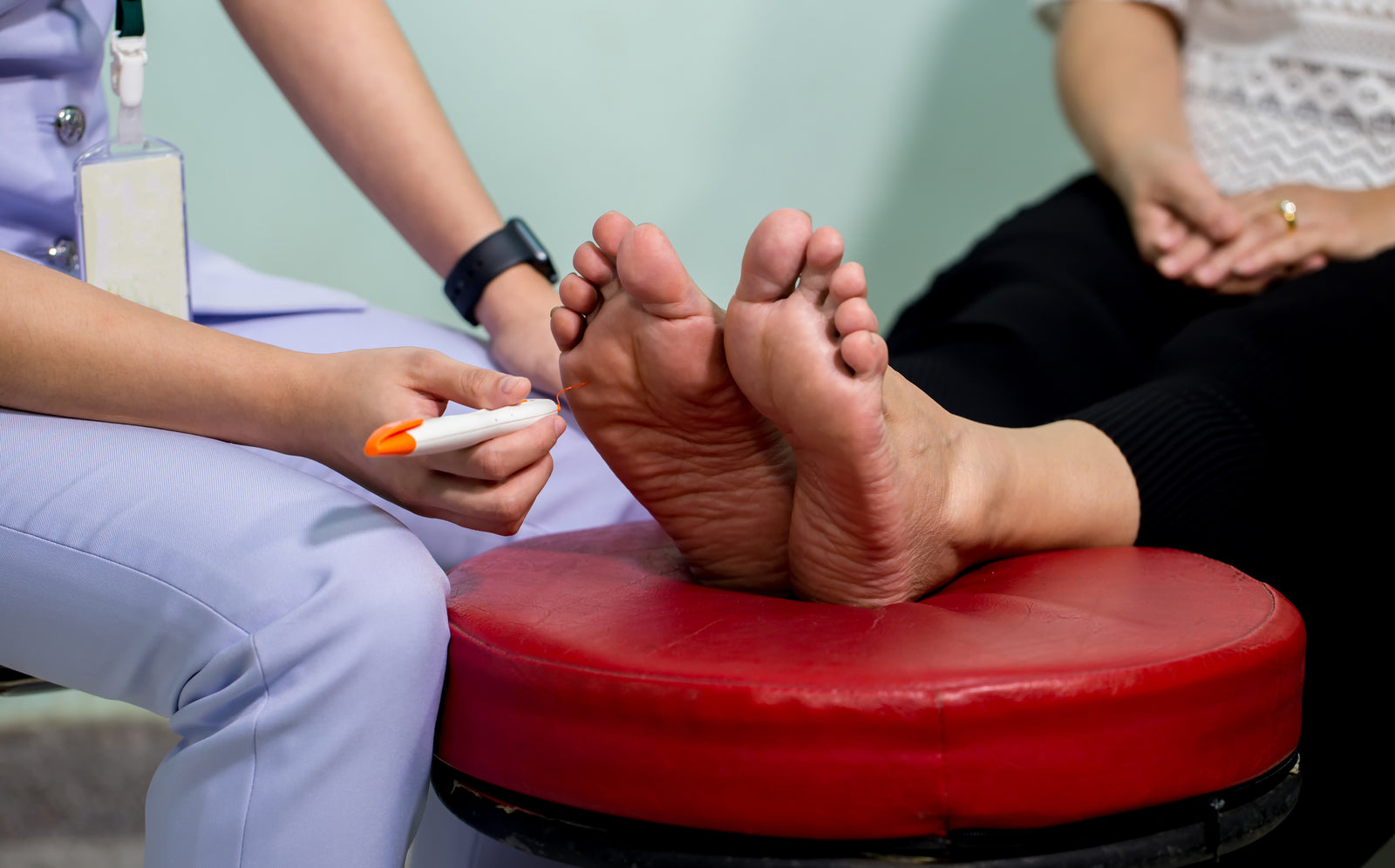
See a doctor as soon as you notice tingling, numbness, burning, or sharp pain in your feet or hands, because early neuropathy is the stage where blood sugar control has the best chance of improving symptoms. Also make an appointment if you have a cut, blister, or sore on your foot that is not healing, a change in foot shape or skin color, weakness or balance problems, or new digestive, bladder, or dizziness symptoms that could signal autonomic neuropathy. Everyone with diabetes should have a comprehensive foot exam at least once a year. Your primary doctor can order a diabetic neuropathy test, and our guide to who treats diabetic neuropathy explains which specialists to see.
Frequently asked questions about reversing diabetic neuropathy
Can peripheral neuropathy in the feet be reversed?
Peripheral neuropathy in the feet caused by diabetes generally cannot be fully reversed once the nerve fibers are damaged. Mild, early symptoms such as intermittent tingling can improve when blood sugar is brought under control, but long-standing numbness usually persists. The goal in the feet is to stop progression and prevent injuries you cannot feel.
Can early diabetic neuropathy be reversed?
Early neuropathy offers the best chance of improvement. People with less severe forms of diabetic neuropathy have experienced improvement in their symptoms after strict control of blood sugar levels. That is why early detection and intervention are crucial: the earlier blood sugar is managed, the more nerve function can be preserved.
Is prediabetic neuropathy reversible?
Nerve symptoms that appear during prediabetes are often milder and are more likely to improve than established diabetic neuropathy, because the nerves have been exposed to high blood sugar for a shorter time. Bringing blood sugar back to a normal range through diet, exercise, and weight loss is the main lever. Ask your doctor for testing if you have prediabetes and new tingling or numbness.
Can diabetic neuropathy be cured?
There is currently no cure for diabetic neuropathy. Complete reversal would imply that the nerves have entirely healed, which is unfortunately not yet a known feasible outcome. Treatment focuses on managing blood glucose, relieving pain, and preventing further damage.
Can autonomic neuropathy be reversed?
Diabetic autonomic neuropathy, which affects digestion, heart rate, blood pressure, and bladder function, is generally not reversible either, but its symptoms can be managed and its progression slowed with blood sugar control and targeted medications. Because it can affect the heart, it should always be evaluated by your doctor.
Can non-diabetic neuropathy be reversed?
Some non-diabetic neuropathies can improve or resolve when the cause is corrected, for example vitamin B12 deficiency, thyroid disorders, or certain medications, which is why finding the cause matters. Alcohol-related and chemotherapy-related neuropathy may partially improve after the exposure stops. Learn more about non-diabetic neuropathy.
References, studies and sources
- Mayo Clinic. Diabetic neuropathy: Symptoms and causes. https://www.mayoclinic.org/diseases-conditions/diabetic-neuropathy/symptoms-causes/syc-20371580
- National Institute of Diabetes and Digestive and Kidney Diseases (NIDDK). Peripheral Neuropathy. https://www.niddk.nih.gov/health-information/diabetes/overview/preventing-problems/nerve-damage-diabetic-neuropathies/peripheral-neuropathy
- American Diabetes Association. Neuropathy. https://diabetes.org/about-diabetes/complications/neuropathy
- National Institute of Diabetes and Digestive and Kidney Diseases (NIDDK). Diabetes and Foot Problems. https://www.niddk.nih.gov/health-information/diabetes/overview/preventing-problems/foot-problems
- Yale School of Medicine. Randomized, double-blinded, placebo-controlled trial of an infrared textile on transcutaneous oxygen in people with diabetes. ClinicalTrials.gov NCT04460612. https://clinicaltrials.gov/study/NCT04460612
About the author: Dr. Matthew Capozzi, DPM, FACFAS, CWS, is a board-certified foot surgeon through the American Board of Foot and Ankle Surgery. He is a Diplomate of the American Academy of Wound Management and Fellow of the American College of Foot and Ankle Surgeons. He completed a three-year residency program in Foot and Ankle Reconstructive Surgery at St. Francis Hospital & Medical Center in Hartford, CT in 2010. Dr. Capozzi is a board-certified Wound Specialist® granted by the American Academy of Wound Management.
Healthcare disclaimer: Always consult your physician before beginning any program. This general information is not intended to diagnose any medical condition or to replace your healthcare professional. If you experience any pain or difficulty, stop and consult your healthcare provider. CircuFiber socks are a general wellness product intended to promote a temporary increase in local blood flow and circulation; they are not intended to diagnose, treat, cure, or prevent any disease. Individual results vary.