

Written by Dr. Matthew Capozzi, DPM, FACFAS, CWS (board-certified foot surgeon and wound specialist) · Medically reviewed by the CircuFiber Scientific Advisory Board · Updated: October 28, 2026
Type 2 diabetes can be put into remission for some people, but it is not cured, and type 1 diabetes cannot be reversed. In type 2 diabetes, significant weight loss, dietary change and regular physical activity can bring blood sugar back below the diabetes range without diabetes medication, which doctors call remission. Remission is most likely soon after diagnosis and only lasts while the weight loss and habits are maintained, so blood sugar still needs regular checks. Type 1 diabetes is an autoimmune condition in which the pancreas stops making insulin, and people with type 1 diabetes need insulin for life.

Key Takeaways
- Type 2 diabetes can go into remission, meaning blood sugar stays below the diabetes range without diabetes medication. It is not a permanent cure, and blood sugar can rise again.
- Weight loss is the main driver of remission. In the DiRECT trial, people with type 2 diabetes on a structured weight-loss program brought their glucose below the diabetes range and kept it there for two years without medication.
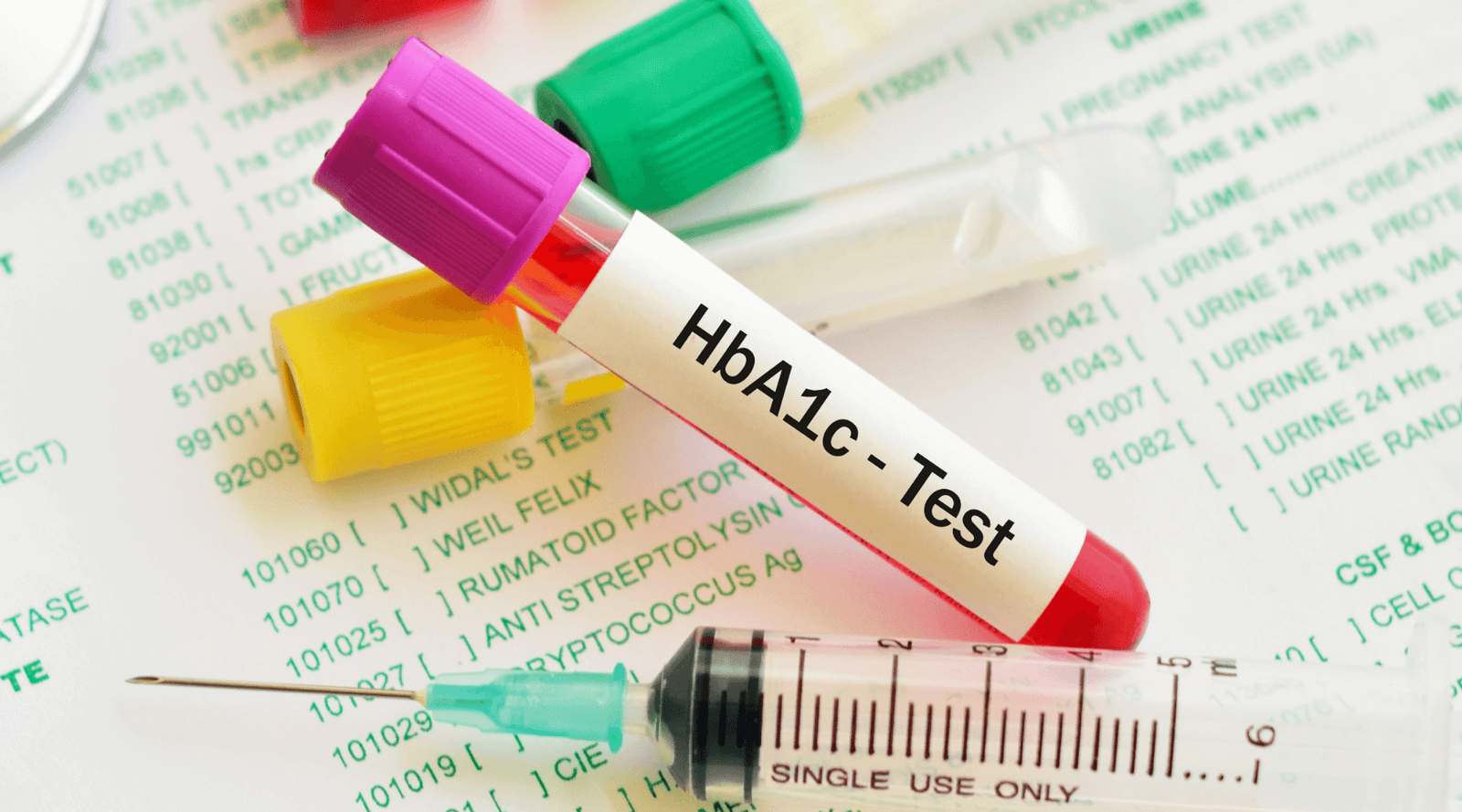
- Remission is usually defined as an A1C below 6.5% (48 mmol/mol) lasting at least three months after stopping glucose-lowering medication.
- Type 1 diabetes cannot be reversed. It is an autoimmune disease, and insulin treatment is lifelong.
- Prediabetes can often be returned to normal blood sugar with the same healthy eating, physical activity and weight management habits.
- Never stop or change diabetes medication on your own; work with your healthcare team on any remission plan.
Can diabetes be reversed?
Whether diabetes can be reversed depends on the type of diabetes. Type 2 diabetes can be put into remission for some people through lifestyle changes, such as better dietary habits and physical activity, and the most successful approach has been linked to weight loss. Type 1 diabetes cannot be reversed. If you are not sure how the types differ, read our guide to prediabetes versus type 1 and type 2 diabetes.
| Type of diabetes | Can it be reversed? | What that means in practice |
|---|---|---|
| Prediabetes | Often, yes | Blood sugar can return to the normal range with weight loss, healthy eating and regular activity |
| Type 2 diabetes | Remission is possible for some people, not a cure | Blood sugar stays below the diabetes range without medication while weight loss and habits are maintained; regular monitoring continues |
| Type 1 diabetes | No | An autoimmune condition; the pancreas makes little or no insulin, so insulin treatment is lifelong |
| Gestational diabetes | Usually resolves after delivery | Raises the later risk of type 2 diabetes, so follow-up blood sugar testing is recommended |
What does type 2 diabetes remission mean?
Type 2 diabetes remission means blood sugar stays below the diabetes range without any glucose-lowering medication. Remission is usually established when a person's A1C is below 6.5% (48 mmol/mol) for at least three months after stopping diabetes medication. With remission, blood sugar levels are kept within a designated range, which reduces associated complications and assists in restoring health.
Remission is not the same as a cure. While remission can be achieved through lifestyle changes such as diet modifications and physical activity, managing blood sugar needs to continue in order for it to remain under control long term. Otherwise, its effects may become more pronounced eventually, because type 2 diabetes is a chronic illness which tends to worsen gradually over time (see whether type 2 diabetes gets worse with age).
How do you reverse type 2 diabetes?
Type 2 diabetes is put into remission mainly through weight loss, supported by dietary changes and physical activity; bariatric surgery is an option for some people with severe obesity. Implementing any or all of these strategies can help reduce the risk of complications associated with diabetes while also improving quality of life. New to the condition? Start with our beginner's guide to type 2 diabetes.
Lose weight to reduce insulin resistance
Weight loss is the key factor for reversing type 2 diabetes, as it helps to regulate high blood sugar levels. A clinical trial known as the Diabetes Remission Clinical Trial (DiRECT) demonstrated that patients with type 2 diabetes were able to reduce their glucose readings below the diabetic range and maintain them there over a two-year period without medications. Research from the same group found that weight loss reduced fat in the pancreas and liver and was associated with a return of normal beta-cell function.
It is essential to reduce body weight in order to combat type 2 diabetes, as it has a direct effect on the production and utilization of insulin. Weight loss positively impacts blood sugar levels, making them easier for the body to regulate. By addressing root causes such as insulin resistance through losing weight, individuals with type 2 diabetes can see improved blood sugar numbers as well as an overall improvement in health that could eventually bring about remission. For practical approaches, see our weight loss strategies for diabetes.
Adjust your diet and carbohydrate intake
A lower-carbohydrate eating pattern is one way to regulate blood sugar levels and improve type 2 diabetes outcomes. A low-carbohydrate diet is often described as no more than 130 g of carbohydrates each day, or 26% of total daily calorie intake. Focusing on eating whole grains instead of processed carbs can also be helpful in managing type 2 diabetes, since it has positive effects on blood glucose readings. Learn more about daily carb intake for diabetics and how to go about crafting a diabetic diet plan.
Exercise regularly
Regular physical activity improves insulin sensitivity and helps maintain healthy levels of glucose in the blood. The American Diabetes Association suggests that people with diabetes do at least 150 minutes every week of moderate aerobic exercise, such as brisk walking, swimming or cycling, along with strength training two days per week. By exercising regularly, individuals with diabetes are able to lower their blood sugar, reduce their risk of heart disease and improve their general health. See our guide to building a diabetes exercise plan.
It's essential to be aware of potential hypoglycemia during and after exercise, especially if you take insulin or other glucose-lowering medication, and to take precautions when necessary. Read about recognizing hypoglycemia and quick fixes.
Consider bariatric surgery if lifestyle changes have not worked
For people with severe obesity who have been unsuccessful in reversing their type 2 diabetes through lifestyle changes, bariatric surgery may be an option to consider. This type of weight loss surgery can lead to significant reductions in body weight, which can help with both diabetes and other health conditions linked to being overweight.
The procedure carries risks such as infections, bleeding or blood clots, plus potential long-term effects including nutrition deficiencies, gallstones or hernias. It is important for anyone considering it to carefully weigh its advantages against the possible downsides with their healthcare team.
Do medications help put type 2 diabetes into remission?
Diabetes medications keep blood sugar in range and lower the risk of complications, but remission is defined as normal blood sugar without them, so medication is part of management rather than a route to remission on its own. Lifestyle changes can only take you so far for many people, and taking diabetes medicines as prescribed is essential to keep blood sugar levels under control. Medication for controlling blood pressure also supports overall diabetes care by keeping that variable within the normal range.
It's important to choose medications with your healthcare provider, who knows best what approach suits your individual needs. Never stop or reduce a diabetes medication on your own, even if your readings improve; your doctor will decide whether and how to taper it.
Glucose-lowering drugs
Different medications are available to treat type 2 diabetes and help the body use insulin better or get rid of excess glucose. In recent years, glucagon-like peptide 1 (GLP-1) therapies such as semaglutide, liraglutide and tirzepatide have been used to manage the condition. These drugs lower blood sugar levels and slow digestion, which can cause weight loss. Other options prescribed by healthcare professionals include metformin, SGLT-2 inhibitors and DPP-4 inhibitors. Talk to your doctor before altering any medication regimen.
Preventing complications
The effective management of diabetes relies on avoiding potential complications, a process which incorporates the regulation of blood sugar levels, sustaining healthy blood pressure and cholesterol levels, and adopting a healthy lifestyle. Medications such as metformin, sulfonylureas or thiazolidinediones help keep glucose concentrations in range, which lowers the risk of diabetes-related complications. Maintaining proper nutrition, exercising routinely and reaching a healthy body weight all work towards keeping those complications at bay. Quitting smoking and limiting alcohol may also help decrease the overall risk of related diseases.
Can type 1 diabetes be reversed?
Type 1 diabetes cannot be reversed. Type 1 diabetes is an autoimmune condition in which the immune system destroys the insulin-producing beta cells of the pancreas, so the body makes little or no insulin and people with type 1 diabetes need insulin every day for life. Weight loss, diet and exercise are still important for blood sugar control and heart health in type 1 diabetes, but they do not restore insulin production. Be cautious of any program or product claiming to cure or reverse type 1 diabetes, and talk to your endocrinologist about any treatment you are considering.
How do you stay in remission from type 2 diabetes?
Staying in remission from type 2 diabetes means keeping the weight off, keeping up the eating and activity habits that got you there, and continuing regular blood sugar checks. The primary takeaway from the DiRECT study is the importance of a steady nutritional plan that brings sustained results over time: weight management along with the related habits must stay intact. Regularly reviewing symptoms, laboratory results and other markers helps show whether remission is holding and helps prevent backslides.
Keep up regular check-ups
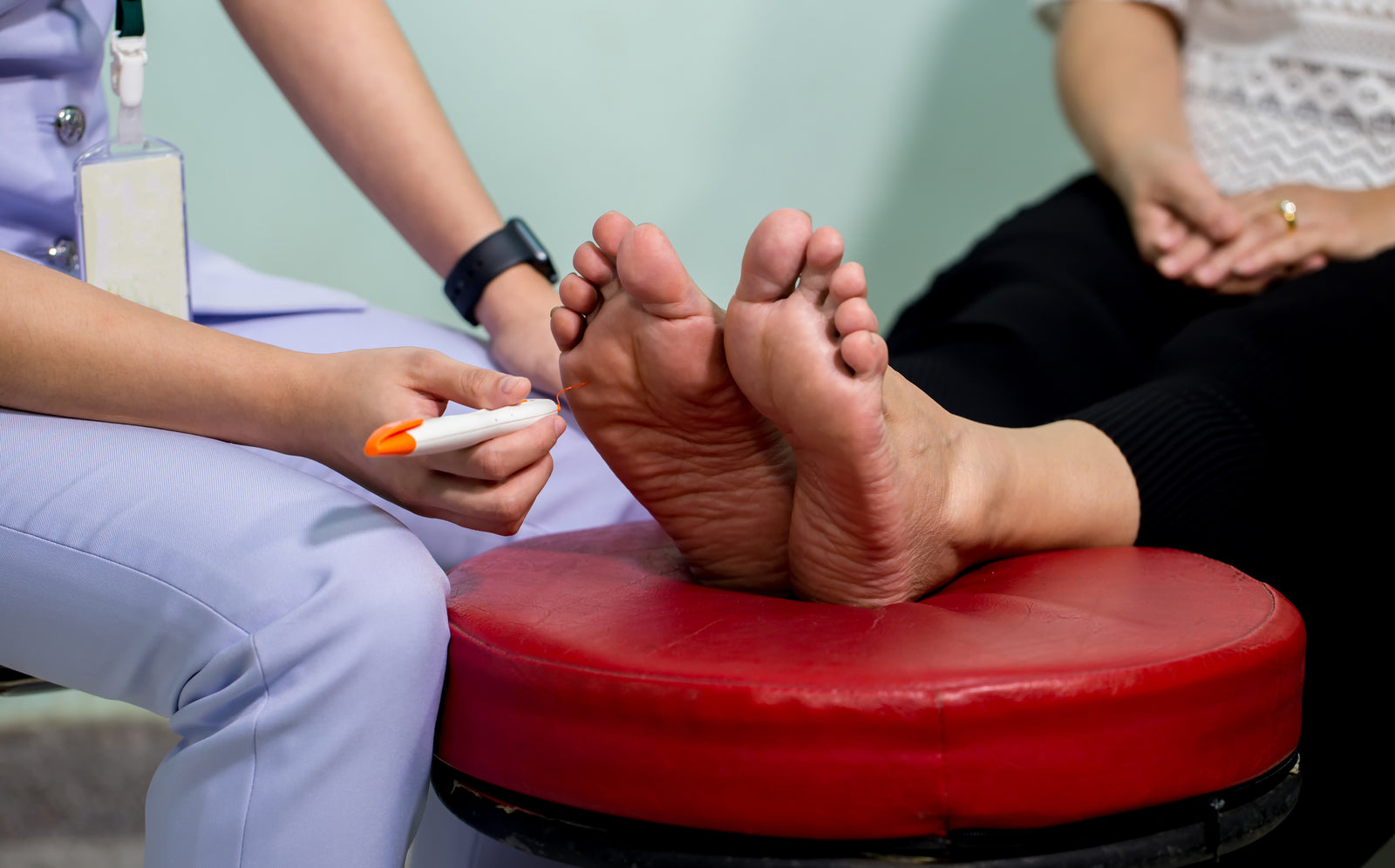
For people with diabetes, routine check-ups are integral to obtaining and sustaining remission. Bloodwork, tests and exams, including A1C, eye, kidney and foot checks, can identify changes in health that could require adjustment of the treatment plan. Discussing concerns with healthcare professionals at these regular appointments allows for early detection, so action can be taken before a relapse happens.
Adapt treatment as things change
Type 2 diabetes is a progressive condition, and treatment plans need to be personalized according to each individual's response and level of disease activity. Monitoring regularly helps determine when adjustments need to be made, including restarting medication if blood sugar rises again. By taking this tailored approach, healthcare professionals can reduce the likelihood of relapse while giving people living with diabetes support based on their particular needs.
How can you prevent type 2 diabetes in the first place?
Maintaining a healthy weight, eating nutritiously and being physically active are the best ways to avoid type 2 diabetes and its complications, and prevention is easier than reversing diabetes once it has developed. The same habits can often return prediabetes to normal blood sugar levels. Learn the prediabetes symptoms, diagnosis and treatment and our guide to preventing type 2 diabetes.
Healthy eating habits
To lower the risk of diabetes, eat nutrient-dense foods and maintain a healthy weight. This can be accomplished by eating balanced meals that include plenty of fruits, vegetables, whole grains, lean meats and fat-free or low-fat dairy products, reducing added sugar and salt, and increasing dietary fiber. These changes to eating habits help reduce the risk of developing diabetes along with its related complications.
Staying active
Physical activity is important for preventing diabetes, promoting a healthy weight and improving overall health. The American Diabetes Association suggests that adults engage in at least 150 minutes of moderate aerobic exercise per week along with two days of strength training. To meet this goal, set realistic expectations, choose activities you enjoy and track your progress.
When should you see a doctor about reversing diabetes?
See your doctor before you start any plan to reverse type 2 diabetes, especially a very low-calorie diet, fasting or a big jump in exercise, because blood sugar can fall quickly and medications such as insulin or sulfonylureas may need to be reduced to avoid hypoglycemia. Ask your healthcare team to set your A1C targets and decide when, or whether, medication can be tapered. Seek prompt care for symptoms of very high or very low blood sugar, such as confusion, shakiness, extreme thirst or frequent urination. Your doctor can also check for complications that do not reverse with weight loss; for example, read whether diabetic neuropathy can be reversed.
Frequently asked questions about reversing diabetes
Can you reverse type 2 diabetes permanently?
Type 2 diabetes cannot be reversed permanently in the sense of a cure, but long-term remission is possible for some people through significant weight loss. Keeping remission depends on maintaining an appropriate diet, a consistent exercise program and a stable weight. If weight returns, blood sugar often rises again, so regular monitoring continues even in remission.
How long does it take to reverse type 2 diabetes?
Reaching type 2 diabetes remission can take anywhere from several weeks to years, depending on the individual's starting weight, how long they have had diabetes and their level of physical activity. In the DiRECT trial, nearly half of participants on a structured very low-calorie diet program were in remission after one year. Remission is confirmed only after A1C has stayed below 6.5% for at least three months without medication.
What role does weight loss play in reversing diabetes?
Weight loss plays the key role in type 2 diabetes remission because it affects how the body uses and produces insulin. Insulin is needed for glucose to be used by the body as energy; if there isn't enough of it, or if insulin does not work correctly, blood sugar rises too high. Losing excess weight helps the body use insulin better, which helps regulate blood sugar more effectively.
What foods or diet can help reverse diabetes?
A Mediterranean-style or lower-carbohydrate eating pattern can help manage type 2 diabetes by reducing blood sugar levels, and when combined with weight loss it can support remission. No single food reverses diabetes. Build meals around vegetables, whole grains, lean protein and healthy fats, and limit added sugar and processed carbohydrates.
Can fasting reverse diabetes?
Some studies suggest that fasting or very low-calorie approaches can lower blood sugar and support weight loss in type 2 diabetes, but fasting is not a proven cure. Fasting while taking insulin or certain other diabetes medications can cause dangerous low blood sugar. Talk to your doctor before trying any form of fasting.
Why are regular check-ups important in diabetes management?
Regular check-ups are essential for effective diabetes management because they provide the information needed to make accurate treatment decisions and to reach and sustain remission. Check-ups monitor blood sugar levels, detect complications, and allow medications and lifestyle changes to be adjusted as needed. They are also an opportunity to discuss any concerns or questions with a healthcare provider.
References, studies and sources
- Lim, E., Hollingsworth, K. G., Aribisala, B. S., Chen, M. J., Mathers, J. C., Taylor, R. (2011). Reversal of type 2 diabetes: normalisation of beta cell function in association with decreased pancreas and liver triacylglycerol. Diabetologia, 54(10), 2506–2514. https://doi.org/10.1007/s00125-011-2204-7
- American Diabetes Association. Diabetes information and resources. https://diabetes.org/
- National Institute of Diabetes and Digestive and Kidney Diseases (NIDDK). Diabetes. https://www.niddk.nih.gov/health-information/diabetes
- Centers for Disease Control and Prevention (CDC). Diabetes. https://www.cdc.gov/diabetes/
- Mayo Clinic. Diabetes: Symptoms and causes. https://www.mayoclinic.org/diseases-conditions/diabetes/symptoms-causes/syc-20371444
About the author: Dr. Matthew Capozzi, DPM, FACFAS, CWS, is a board-certified foot surgeon through the American Board of Foot and Ankle Surgery. He is a Diplomate of the American Academy of Wound Management and Fellow of the American College of Foot and Ankle Surgeons. He completed a three-year residency program in Foot and Ankle Reconstructive Surgery at St. Francis Hospital & Medical Center in Hartford, CT in 2010. Dr. Capozzi is a board-certified Wound Specialist® granted by the American Academy of Wound Management.
Healthcare disclaimer: Always consult your physician before beginning any program. This general information is not intended to diagnose any medical condition or to replace your healthcare professional. If you experience any pain or difficulty, stop and consult your healthcare provider. CircuFiber socks are a general wellness product intended to promote a temporary increase in local blood flow and circulation; they are not intended to diagnose, treat, cure, or prevent any disease. Individual results vary.