

Written by Alma Pantaloukas · Medically reviewed by the CircuFiber Scientific Advisory Board · Updated: October 28, 2026
The best exercises for people with diabetes are walking, swimming, yoga, tai chi, weight training and stationary cycling. Together they cover the three kinds of activity that matter most for diabetes: aerobic exercise that burns calories and lowers blood sugar, strength training that builds muscle to help the body use glucose, and balance and flexibility work that reduces stress and the risk of falls. The best choice is the one you can do safely and consistently, so check with your doctor before starting a new program.

Key Takeaways
- Six exercises suit most people with diabetes: walking, swimming, yoga, tai chi, weight training and the stationary bike.
- Exercise helps manage diabetes because working muscles use glucose for fuel, and regular activity helps with weight control, blood pressure and stress.
- Mix the types: aerobic activity (walking, swimming, cycling), strength training (weights) and balance work (tai chi, yoga) each do something different.
- Low-impact options such as swimming, cycling and walking are easiest on the joints and the feet.
- Exercise safely: check blood sugar if you take insulin or medication that can cause lows, wear well-fitting shoes and socks, and inspect your feet after every workout.
What are the best exercises for people with diabetes?
Exercise is commonly recommended for people living with diabetes. To help maintain optimal health and keep symptoms in check, here are 6 exercises that can help you fight fat, increase muscle mass, improve balance, and reduce stress.
1. Walking
Walking is a low impact activity with major long-term benefits. Putting one foot in front of the other is an effective way to increase circulation and stay within a healthy weight range. Walking 30 minutes a day is a great way to improve your health and enjoy the outdoors. For more ways to get blood moving, see our guide to improving foot circulation with diabetes.
2. Swimming
Swimming is also a low impact exercise that most people can do that feels good and does not put too much pressure on joints. What's more, swimming in a heated pool has been known to increase circulation and tissue healing. Find a local pool or swim group near you. If you have a cut, blister or open sore on your feet, wait until it has healed before swimming, and wear water shoes on pool decks to protect your feet.
3. Yoga
Regular yoga sessions can help reduce stress levels, enhance mobility, lower blood pressure, and improve overall feelings of well-being. Read more about yoga for blood sugar control.
4. Tai Chi
Tai Chi improves balance and may help reduce nerve damage or neuropathy, which is common among people living with diabetes. Some studies suggest the slow, controlled movements improve balance and foot sensation in people with diabetic neuropathy; talk to your doctor about whether it suits you.
5. Weight Training
Training with weights helps build and maintain strength and muscle mass which can burn calories, improve mobility, and help your body maintain a healthy weight. Increased muscle mass may impact how your body manages blood sugar levels, because muscle is where much of the body's glucose is used (see insulin resistance and improving sensitivity). For more on short, intense strength work, read about anaerobic exercise benefits for diabetes.
6. Stationary Bike
Stationary cycling is a convenient way to burn calories. Riding a bike can help to increase cardiovascular health, burn calories, and boost circulation. Because it can be done indoors in any weather and puts little load on the feet, it is a good option for people who find walking uncomfortable.
Is exercise good for diabetics?
Yes, exercise is good for people with diabetes and is one of the core parts of managing the condition alongside diet and medication. During activity, working muscles take up glucose from the bloodstream for energy, which lowers blood sugar; over time, regular exercise helps the body use insulin more effectively. Exercise also helps people with diabetes fight fat, increase muscle mass, improve balance and reduce stress, which are the goals the six exercises above are chosen for. Learn more about how exercise lowers blood sugar.
Which exercise is best for type 2 diabetes?
No single exercise is best for type 2 diabetes; the most effective routine combines aerobic activity, strength training and balance or flexibility work. The table below compares the six exercises so you can pick a mix that fits your fitness level and any joint or foot concerns.
| Exercise | Type of activity | Main benefits | Good choice if you… |
|---|---|---|---|
| Walking | Aerobic, low impact | Increases circulation, helps keep a healthy weight | Want an easy, free way to start |
| Swimming | Aerobic, low impact | Gentle on joints, increases circulation | Have joint pain or find weight-bearing exercise hard |
| Yoga | Flexibility and balance | Reduces stress, improves mobility, may lower blood pressure | Want to manage stress as well as fitness |
| Tai chi | Balance, low impact | Improves balance and steadiness | Have neuropathy or worry about falls |
| Weight training | Strength (resistance) | Builds muscle, burns calories, may improve blood sugar management | Want to build strength and support healthy weight |
| Stationary bike | Aerobic, low impact | Improves cardiovascular health, burns calories | Want to exercise indoors with little pressure on the feet |
How much exercise do people with diabetes need?
The American Diabetes Association (ADA) recommends that most adults with diabetes get at least 150 minutes of moderate-intensity aerobic activity per week, spread over at least three days, plus strength training two to three times a week. Walking 30 minutes a day on five days a week meets the aerobic target. Breaking up long periods of sitting with short walks also helps. If you are new to exercise, start with a few minutes a day and build up gradually; our guide to building a diabetes exercise plan walks through how.
How can you exercise safely with diabetes?
Exercising safely with diabetes means planning for blood sugar changes and protecting your feet.
Watch your blood sugar
If you take insulin or a medication that can cause low blood sugar, check your levels before and after exercise and carry a fast-acting carbohydrate such as glucose tablets or juice. Learn the early signs in our guide to recognizing hypoglycemia, and see how much blood sugar drops after exercise. Intense workouts can occasionally push blood sugar up instead; here is why blood sugar can be high after exercise.
Protect your feet
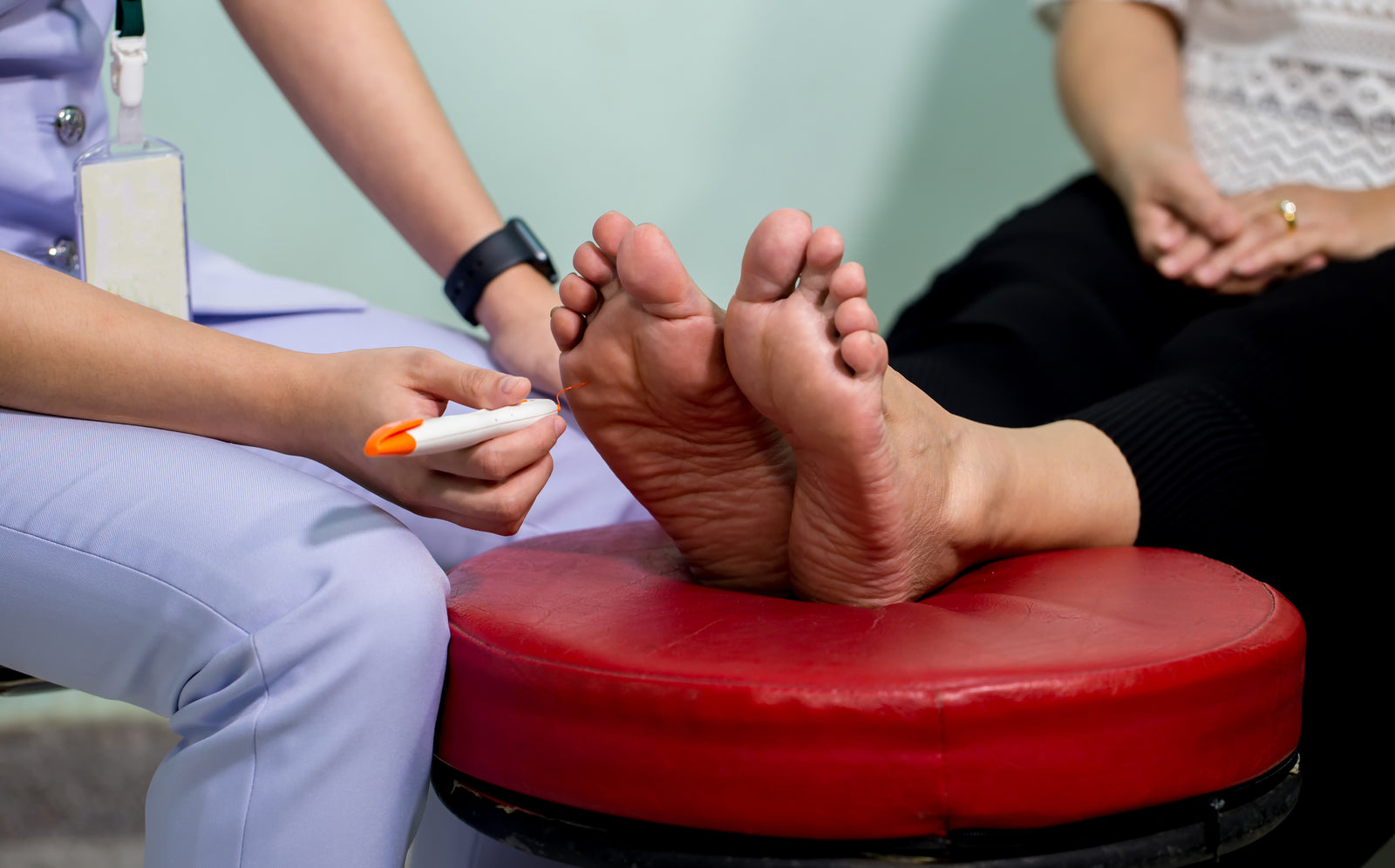
Wear well-fitting athletic shoes and clean, dry socks that do not bind, and check your feet for blisters, cuts or red spots after every workout, especially if you have reduced sensation from neuropathy. Do not exercise barefoot. For a daily routine, read ways to care for diabetic feet.
Stay hydrated and listen to your body
Drink water before, during and after exercise, and stop if you feel dizzy, short of breath, shaky or unwell. If you experience any pain or difficulty with these exercises, stop and consult your healthcare provider.
When should you see a doctor about exercising with diabetes?
See your doctor before beginning any new exercise program, especially if you have been inactive, have heart disease, high blood pressure, eye disease (retinopathy), kidney disease or nerve damage in your feet. Your doctor can advise which activities are safe and whether your medication needs adjusting. Stop exercising and get medical help right away for chest pain, severe shortness of breath or fainting, and contact your doctor or podiatrist about frequent low blood sugar during workouts or any foot sore that is not healing.
Frequently asked questions about exercises for diabetes
What is the best exercise for diabetes at home?
Good at-home exercises for diabetes include walking in place or around the house, a stationary bike, yoga, tai chi and strength exercises with light weights, resistance bands or your own body weight (such as chair squats and wall push-ups). All of them can be done without a gym, and a combination of aerobic and strength work gives the broadest benefit.
What is the best time to exercise for type 2 diabetes?
Many people with type 2 diabetes find that a walk or light activity after meals helps limit the rise in blood sugar that follows eating. The best time overall is the time you can stick to consistently; if you take insulin, choose a time that fits your meal and medication schedule. Read more about exercising after eating for blood sugar.
Which exercises are unsuitable for type 2 diabetes?
No exercise is off-limits for everyone with type 2 diabetes, but some need caution depending on your complications. People with diabetic retinopathy may need to avoid heavy lifting and straining, and people with neuropathy or foot ulcers may need to swap high-impact or long weight-bearing activities, such as running or jumping, for swimming or cycling. Your doctor can tell you what to avoid in your situation.
What exercise is good for diabetics with neuropathy?
Low-impact activities that put little pressure on the feet, such as swimming, the stationary bike, chair exercises, yoga and tai chi, are usually the best fit for people with diabetic neuropathy. Tai chi and balance exercises can also help with steadiness. Wear protective shoes and socks and check your feet carefully after each session.
How quickly does exercise lower blood sugar?
Exercise starts lowering blood sugar during the activity itself, because working muscles use glucose for energy, and the effect can continue for hours afterward. How much it drops depends on the type, length and intensity of the exercise and on your medication, which is why people on insulin should check their levels before and after.
References, studies and sources
- American Diabetes Association. Diabetes information and physical activity guidance. https://diabetes.org/
- Centers for Disease Control and Prevention (CDC). Diabetes. https://www.cdc.gov/diabetes/
- National Institute of Diabetes and Digestive and Kidney Diseases (NIDDK). Diabetes. https://www.niddk.nih.gov/health-information/diabetes
- National Institute of Diabetes and Digestive and Kidney Diseases (NIDDK). Diabetes and Foot Problems. https://www.niddk.nih.gov/health-information/diabetes/overview/preventing-problems/foot-problems
- MedlinePlus. Diabetes. https://medlineplus.gov/diabetes.html
Healthcare disclaimer: Always consult your physician before beginning any program. This general information is not intended to diagnose any medical condition or to replace your healthcare professional. If you experience any pain or difficulty, stop and consult your healthcare provider. CircuFiber socks are a general wellness product intended to promote a temporary increase in local blood flow and circulation; they are not intended to diagnose, treat, cure, or prevent any disease. Individual results vary.