

Written by Alma Pantaloukas · Medically reviewed by the CircuFiber Scientific Advisory Board · Updated: October 28, 2026
Successful blood sugar monitoring comes down to four habits: using a monitoring device that fits your life, checking at the same key times every day, keeping a log of your readings, and knowing the signs of high and low blood sugar. A general American Diabetes Association target for many adults with diabetes is 80 to 130 mg/dL before a meal and below 180 mg/dL two hours after a meal, but your own targets depend on your age, how long you have had diabetes, and other health factors. Regular monitoring shows how food, exercise, and medication affect your levels, so you and your doctor can adjust your plan before problems start.

Key Takeaways
- Blood sugar monitoring means regularly measuring and tracking the glucose level in your blood to make sure it stays within a healthy range.
- A general target for many adults with diabetes is 80 to 130 mg/dL before meals and under 180 mg/dL two hours after a meal; your doctor may set different targets for you.
- Common times to check are on waking, before meals, two hours after meals, before bed, and before and after exercise.
- There are two main methods: self-monitoring blood glucose (SMBG) with a finger-prick meter, and continuous glucose monitoring (CGM) with a small sensor under the skin.
- The four tips: find the device that works for you, establish a routine, keep a log, and know the signs and symptoms of hypoglycemia and hyperglycemia.
What is blood sugar monitoring and why is it important?
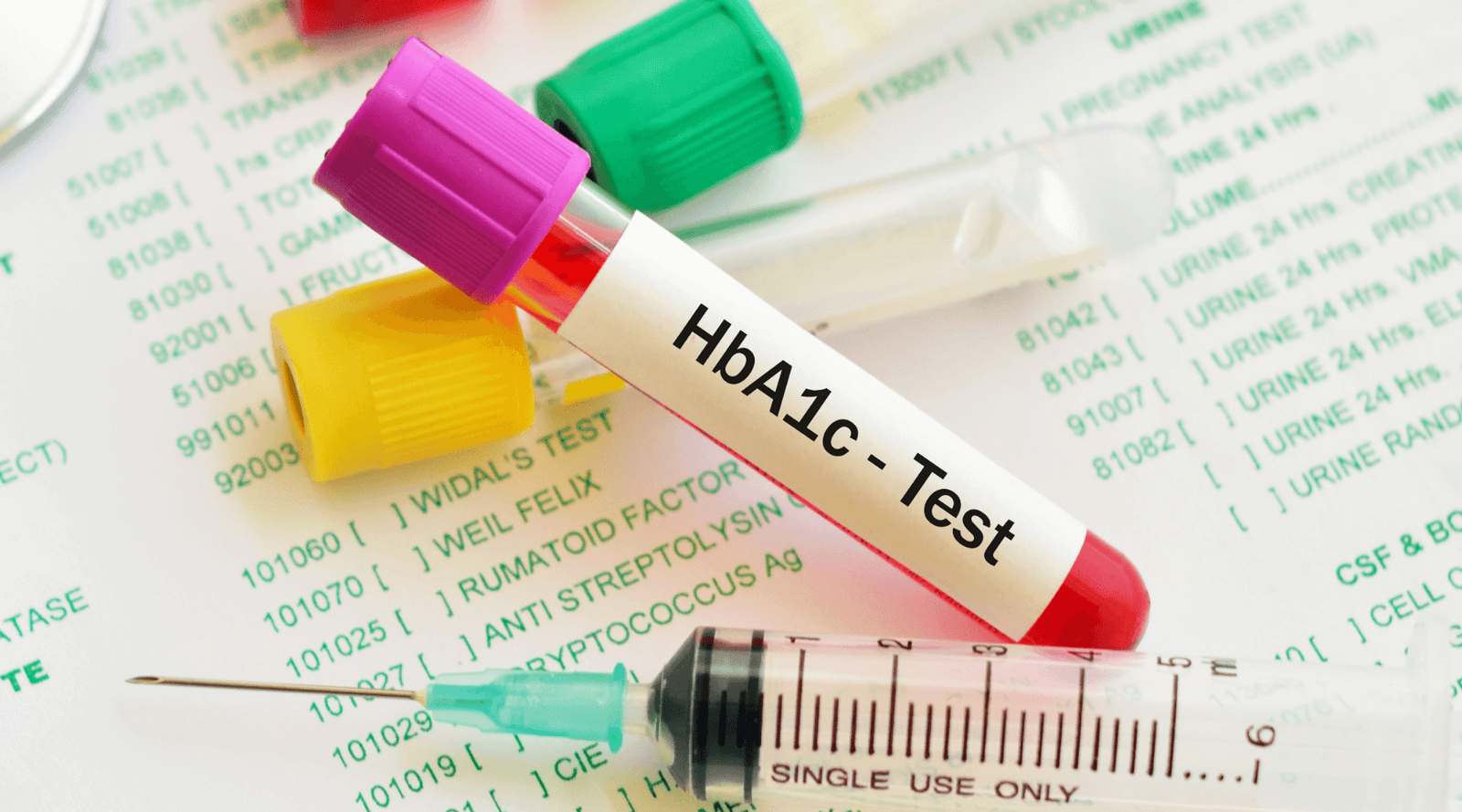
Blood sugar monitoring is the regular measuring and tracking of the glucose level in your blood to ensure that it stays within a healthy range. For most people with diabetes, monitoring their blood glucose (sugar) levels is a normal part of their life. Yet, it is a crucial aspect of proper diabetes management. Knowing how to monitor your levels successfully helps you stay in tune with your body and make the right decisions for your health.
Monitoring your blood glucose levels is crucial for managing your diabetes and preventing health complications, as it helps you identify patterns, keep records, and understand the impact of food, exercise, and medication on your blood sugar levels. This allows you to take better control of your health. Getting a quick reading of your blood to know when your levels have risen or fallen can help you take proactive measures to prevent emergencies. For a deeper look, read why you should check your blood sugar.
What is a healthy blood sugar range?
A healthy blood sugar range for many adults with diabetes is 80 to 130 mg/dL before a meal and lower than 180 mg/dL for the two hours following a meal, according to a general American Diabetes Association recommendation. Blood glucose targets may vary depending on age, duration of diabetes, and other health factors, so ask your doctor which targets are right for you.
How often should you check your blood sugar?
How often you check your blood sugar depends on the type of diabetes you have (prediabetes, type 1 or type 2), your treatment plan, and whether you are taking medications. Generally speaking, it’s good to check your blood sugar levels when you first wake up, before consuming a meal, two hours after a meal, and before going to bed.
You may also want to monitor your levels before and after exercising, as physical activity can significantly lower blood glucose levels. See how much blood sugar drops after exercise and how exercise lowers blood sugar.
What are the ways to monitor blood sugar levels?
There are two main ways to keep track of your blood sugar levels: self-monitoring blood glucose (SMBG) with a meter, and continuous glucose monitoring (CGM) with a sensor.
- Self-monitoring blood glucose (SMBG) involves using a glucose meter to measure the amount of glucose in a drop of blood taken from a finger prick. This measures your levels at that given moment.
- Continuous glucose monitoring (CGM) can be done through devices with tiny sensors placed under the skin to measure blood glucose levels every few minutes.
| Feature | Self-monitoring blood glucose (SMBG) | Continuous glucose monitoring (CGM) |
|---|---|---|
| How it works | A glucose meter reads a drop of blood from a finger prick | A tiny sensor placed under the skin reads glucose automatically |
| How often it measures | Each time you test | Every few minutes, around the clock |
| What it shows | Your level at that given moment | Your level over time, including trends between meals and overnight |
| Accuracy checks | Test the meter and strips regularly with a control solution | Follow the device instructions; your care team may ask you to confirm some readings with a meter |
| Good to know | Easy to carry; keep supplies with you wherever you go | Many devices send readings to a phone app, which makes logging easier |
If you see devices such as watches or patches advertised for blood sugar monitoring, ask your doctor before relying on any product that claims to read blood sugar without a sensor or a finger stick.
What are four tips for successful blood sugar monitoring?
The four tips for successful blood sugar monitoring are to find the monitoring device that works best for you, establish a routine, keep a log, and know the signs and symptoms of high and low blood sugar.
1. Find the monitoring device that works best for you
The best blood sugar monitoring device is one that is accurate, easy to use, and gives quick results. It is also essential to find a device you can easily carry to ensure you always have the supplies for checking your blood, no matter where you are. Lastly, choose a meter with a control solution so you can regularly test the accuracy of your glucose meter and strips.
2. Establish a routine
Having a schedule for when and how often to check your blood is essential to ensure your levels remain within a healthy range throughout the day. Incorporating your monitoring as a part of your daily routine will make it easier and less likely that you forget. Checking your blood glucose at different times is a good strategy as your levels change before and after meals, when physically active, and before bedtime. If you exercise after meals, read about exercising after eating to manage blood sugar.
3. Keep a log
A log of your blood glucose readings can help you better understand patterns and things that affect your blood sugar. It can also benefit your doctor to identify patterns and adjust your treatment plan as needed. You can use apps on your phone or keep a written journal, whatever works best for you. To understand what your high readings mean for your body, see how high blood sugar affects the body in type 2 diabetes.
4. Know the signs and symptoms
Understanding the signs of low blood glucose (hypoglycemia) and high blood glucose (hyperglycemia) can help you take prompt action to correct any imbalances and prevent complications.
- Symptoms of hypoglycemia include dizziness or lightheadedness, shaking, sweating, weakness or fatigue, blurred vision, rapid heartbeat, and confusion.
- Symptoms of hyperglycemia include frequent urination, excessive thirst, dry mouth, tingling or numbness in the hands and feet, nausea, and blurred vision.
For a side-by-side look at both, read about hyperglycemia and hypoglycemia attack symptoms.
How does blood sugar monitoring help you manage diabetes?
Keeping your blood sugar levels within range will help you stay in control and reduce the risk of complications. By incorporating these tips into your routine, you are taking a positive step towards better managing your diabetes. With proper monitoring and effective management, you can take the reins on your diabetes and elevate your overall health, leading to a brighter and more fulfilling life! Our essential diabetes management guide covers the other parts of a daily plan.
When should you see a doctor about your blood sugar readings?
See your doctor if your readings are often outside the targets you have agreed on, if you notice new patterns of highs or lows, or if you are having symptoms of hypoglycemia or hyperglycemia more often. Bring your log to every appointment so your doctor can identify patterns and adjust your treatment plan. Seek emergency care right away for confusion, fainting, or symptoms of low blood sugar that do not improve after treatment, or for very high blood sugar with nausea and vomiting. Learn the warning signs in recognizing low blood sugar levels.
Frequently asked questions about blood sugar monitoring
What is the best blood sugar monitoring device?
The best blood sugar monitoring device is the one you will use consistently: accurate, easy to use, quick to give results, and easy to carry. Some people prefer a finger-prick glucose meter, while others prefer a continuous glucose monitor (CGM) that measures every few minutes. Ask your doctor which option fits your type of diabetes and treatment plan.
Can you monitor blood sugar at home?
Yes. Both self-monitoring blood glucose (SMBG) with a glucose meter and continuous glucose monitoring (CGM) are designed for use at home and on the go. Your care team can show you how to use your device and how often to check.
Is there a blood sugar monitoring app?
Yes. Many people keep their blood sugar log in an app on their phone, and many continuous glucose monitors send readings to a phone app automatically. A written journal works just as well if you prefer it; what matters is that you record readings consistently and share them with your doctor.
Do people with type 2 diabetes need to monitor blood sugar?
Many people with type 2 diabetes benefit from monitoring their blood sugar, but how often depends on your treatment plan and whether you are taking medications. Your doctor will tell you when and how often to check.
How do you check that a glucose meter is accurate?
Use a control solution to regularly test the accuracy of your glucose meter and strips. Choosing a meter that comes with a control solution makes this easier.
References, studies and sources
- American Diabetes Association. Checking Your Blood Sugar. https://diabetes.org/healthy-living/medication-treatments/blood-glucose-testing-and-control/checking-your-blood-sugar
- Mayo Clinic. Diabetes Management. https://www.mayoclinic.org/diseases-conditions/diabetes/in-depth/diabetes-management/art-20047963
- National Institute of Diabetes and Digestive and Kidney Diseases (NIDDK). Diabetes. https://www.niddk.nih.gov/health-information/diabetes
- Centers for Disease Control and Prevention (CDC). Diabetes. https://www.cdc.gov/diabetes/
Healthcare disclaimer: Always consult your physician before beginning any program. This general information is not intended to diagnose any medical condition or to replace your healthcare professional. If you experience any pain or difficulty, stop and consult your healthcare provider. CircuFiber socks are a general wellness product intended to promote a temporary increase in local blood flow and circulation; they are not intended to diagnose, treat, cure, or prevent any disease. Individual results vary.