

Written by Dr. Matthew Capozzi, DPM, FACFAS, CWS (board-certified foot surgeon and wound specialist) · Medically reviewed by the CircuFiber Scientific Advisory Board · Updated: October 27, 2026
Traveling with diabetes is safe and realistic when you plan ahead: talk to your healthcare provider before you go, pack twice the supplies you expect to need in your carry-on, protect insulin from heat and cold, and check your blood sugar more often than you do at home. Changes in meals, activity, and time zones are the main reasons blood glucose drifts on a trip, and each one has a simple fix. With a doctor's letter, medical ID, and a plan for emergencies, diabetes does not have to stand in the way of your travel plans.
Key Takeaways
- Pack double the diabetes supplies you expect to need, including medication, test strips, and low blood sugar emergency snacks, and keep them in your carry-on luggage so they are never in lost checked baggage.
- See your healthcare provider before you travel to adjust your medication schedule for time zone changes and to get a letter listing your condition, medications, and devices such as insulin pumps.
- Protect insulin from extreme temperatures with an insulated bag and cool packs; never leave medication in a parked vehicle or in direct sunlight.
- Check your blood glucose more often while traveling, because changes in meal patterns, activity levels, and time zones can push you high or low without warning.
- Prepare for emergencies by wearing medical identification, knowing where to find medical care at your destination, and telling travel companions how to help.
- Look after your feet on the road: wear comfortable, well-fitting shoes and inspect your feet daily for blisters or cuts, because foot injuries and infections are a real risk for people with diabetes.
What should you do before traveling with diabetes?
Before traveling with diabetes, see your healthcare provider, get a letter documenting your condition and medications, and research your destination's food, pharmacies, and medical care. Embarking on a journey with diabetes requires careful preparation to ensure a smooth and enjoyable experience, and most of that preparation happens before you leave home.
Consult your healthcare provider
Before setting off, it's crucial to ask your healthcare provider about managing your diabetes while away. They might adjust your medication or recommend a check-up to ensure you're in good health before your trip. If you are insulin-dependent and crossing time zones, this appointment is also where you devise a schedule that accounts for the time change.
Get a doctor's letter and copies of your prescriptions
Carry a letter from your doctor detailing your condition, medication, and any devices you use, such as insulin pumps, which could be necessary for security checks. Keep prescriptions with you as well. This documentation eases security checks and is invaluable in case of emergency, and it makes replacing lost supplies at a pharmacy far easier.
Research your destination and accommodations
Select accommodations that cater to your needs, such as those with refrigeration facilities for insulin or nearby dining options that offer diabetic-friendly meals. Researching your destination ahead of time allows you to identify local pharmacies or medical centers in case of emergencies. Understanding the local cuisine of your destination can also help you make informed dietary choices before you are hungry and standing in front of a menu.
What should you pack in a diabetes travel kit?
A diabetes travel kit should contain enough medication and supplies to last the entire trip, plus extra, along with emergency snacks, documentation, and medical ID. Packing is not just about clothes and personal items; it's crucial to include a diabetes care kit, and ensuring everything is easily accessible, especially during flights or long journeys, prevents unnecessary stress. Use the checklist below and keep every item in your carry-on.
| Category | What to pack | Why it matters |
|---|---|---|
| Medication | Insulin or oral medication for the whole trip, plus a second full supply; insulin pens, pump supplies, and syringes if you use them | Delays, lost bags, and limited pharmacies abroad can leave you short |
| Testing supplies | Blood glucose meter, extra test strips, lancets, spare batteries or charger, CGM sensors if you use one | You will check more often than at home |
| Low blood sugar treatment | Glucose tablets or gel, juice boxes, and a glucagon emergency kit if prescribed by your doctor | Fast treatment for hypoglycemia when meals are delayed |
| Snacks | Nuts, fresh fruit, whole-grain crackers, and other portable diabetic snacks | Keeps blood glucose steady on long flights or when suitable food is scarce |
| Storage | Insulated medication bag with cool packs; a dedicated, easy-to-access container for all supplies | Insulin loses effectiveness when exposed to extreme temperatures |
| Documentation | Doctor's letter, prescriptions, list of emergency contacts, health insurance and travel insurance details | Smooths security screening and speeds up care in an emergency |
| Medical ID | Bracelet or necklace engraved with "diabetes" and an emergency contact number | Speaks for you if you cannot communicate |
| Foot care | Comfortable, well-fitting walking shoes, soft non-binding socks, and a small mirror for daily foot checks | Blisters and cuts can become infections in people with diabetes |
How do you keep insulin and other medication safe while traveling?
Keep insulin and other diabetes medications in an insulated bag with cool packs, out of direct sunlight, and never in a parked vehicle. Medications, particularly insulin, require careful handling, because exposure to extreme temperatures can compromise efficacy. It's essential to research the climate of your destination and prepare accordingly to protect your medication from adverse conditions.
Keeping medications organized and within reach is vital. We recommend using a dedicated, easy-to-access container for all your diabetes medications and supplies, and bringing along a cooler pack for insulin if it needs refrigeration. Keep these items in your carry-on luggage to avoid any potential issues with lost checked baggage, and choose accommodations with refrigeration facilities when you arrive.
How do you adjust diabetes medication for different time zones?
Adjust your medication timing with your healthcare provider before departure, and use phone alarms to stay on schedule once you are moving. Traveling across time zones poses unique challenges for diabetes management, particularly for insulin-dependent individuals, and time zone differences can disrupt medication schedules if you have not planned for them.
We recommend consulting with a healthcare provider to adjust your medication timing ahead of your trip. Gradual adjustments in the days leading up to departure can ease the transition, ensuring your body adapts without compromising your medication regime. Keep in mind the duration of your flight and your destination's time zone, and set alarms or reminders on your phone to help you stay on track with your medication while on the move.
How do you manage blood sugar while traveling?
Managing blood sugar while traveling comes down to four things: planning meals, staying active, staying hydrated, and monitoring glucose more often than usual. Variability in daily routines, food options, and physical activity levels demands a proactive approach to maintain blood sugar levels within safe ranges.
Plan meals and snacks on the go
Finding suitable food options can be challenging while traveling. We suggest researching your destination in advance to locate restaurants and markets that offer diabetes-friendly meals, and opting to stay in places with kitchen facilities where possible. Look for options that fit within your dietary plan and be cautious about trying new foods that might affect your blood sugar levels unpredictably. Packing nutritious snacks, such as nuts, fresh fruits, and whole-grain crackers, ensures you have healthy options on hand, and carrying a carb-counting guide or using a smartphone app can assist you in making healthy food selections while abroad. For a refresher on which foods tend to spike glucose, see our list of foods to avoid with diabetes.
Stay active without going low
Physical activity plays a crucial role in managing diabetes, and travel is full of opportunities for it. We encourage exploring destinations on foot, renting a bike, scheduling regular walks, or finding local gyms to maintain activity levels. Walking tours, hikes, and swimming are excellent ways to enjoy new locations while keeping active. Remember, checking your blood glucose levels before and after physical activity is essential to avoid hypoglycemia, because exercise lowers blood sugar more than many travelers expect.
Stay hydrated
Hydration is key, especially during travel, to help manage blood sugar levels and avoid dehydration. Drink plenty of water and avoid excessive alcohol and caffeine intake. Always have water on hand when sightseeing, particularly in hot climates or on long walking days.
Monitor blood glucose more often than at home
Regular monitoring of your blood glucose levels allows for timely adjustments to your diabetes management plan while traveling. Changes in activity levels, meal patterns, and time zones can affect your blood glucose, so frequent monitoring is essential to avoid hypo- or hyperglycemia. Carry a portable blood glucose monitor and extra test strips, document your readings to identify patterns or triggers, and adjust your medication based on blood glucose readings and the guidance provided by your healthcare provider. Our guide on why checking your blood sugar matters covers the basics.
How do you protect your feet while traveling with diabetes?
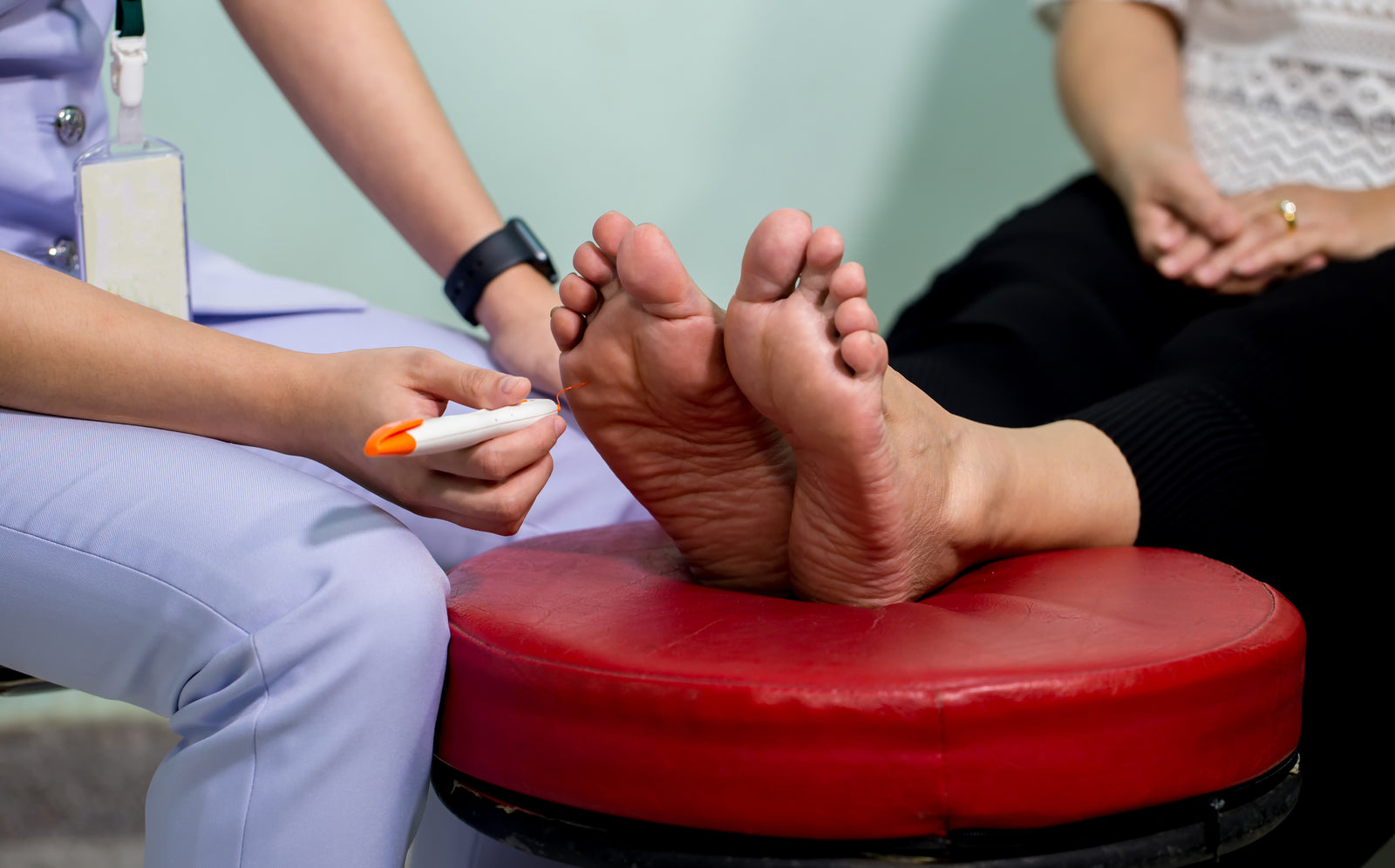
Protect your feet on a trip by wearing comfortable, well-fitting shoes, never going barefoot, and inspecting your feet every day for blisters or cuts. Given the risk of foot injuries and infections in individuals with diabetes, the extra walking, new shoes, hot sand, and long periods of sitting that come with travel deserve attention. Soft, non-binding socks and broken-in walking shoes reduce friction, and a quick look at the soles and between the toes each evening catches a toe blister before it becomes a wound. For a full routine, see our guide to taking good care of your diabetic feet.

How do you prepare for a diabetes emergency away from home?
Prepare for a diabetes emergency by wearing medical ID, carrying a doctor's letter and emergency contacts, knowing where to find medical care at your destination, and informing travel companions about how to assist. Wearing medical identification that clearly states you have diabetes is vital in case of an emergency, particularly if you're unable to communicate; options include bracelets and necklaces engraved with your medical condition and an emergency contact number.
Carry a glucagon emergency kit if prescribed by your doctor, and make sure the people you travel with know where it is and how to use it. Understanding the healthcare facilities available at your destination ensures you know where to go in case of an emergency. Our article on preventing diabetic emergencies explains the warning signs of severe highs and lows to watch for.
When should you see a doctor about traveling with diabetes?
See your healthcare provider before any trip that crosses time zones, lasts more than a few days, or involves a very different climate or activity level, so your medication plan can be adjusted in advance. During the trip, seek medical care promptly if you have repeated or severe low blood sugar, persistently high readings with nausea, vomiting, or confusion, signs of illness that affect your eating, or a foot blister, cut, or sore that looks red, swollen, or is not healing. After you return, book a follow-up if your readings were off-target for much of the trip or if you ran low on medication and had to improvise.
Frequently asked questions about traveling with diabetes
Can you bring insulin and diabetes supplies through airport security?
Yes. Insulin, syringes, pens, pumps, glucose meters, and liquids needed to treat low blood sugar are generally permitted in carry-on luggage, though screening rules vary by country. Keep supplies in their original labeled packaging, carry your doctor's letter and prescriptions, and tell the security officer about any devices before screening. Check your airline's and destination's current rules before you fly.
What is on a traveling with diabetes checklist?
A complete checklist covers medication (double what you need), testing supplies, fast-acting glucose and snacks, an insulated bag for insulin, a doctor's letter and prescriptions, medical ID, emergency contacts, insurance details, and comfortable walking shoes and socks. The packing table above lists each item and why it matters.
Is traveling with type 1 diabetes different from traveling with type 2?
The principles are the same, but people with type 1 diabetes depend on insulin and are more sensitive to timing changes, so time zone planning, insulin storage, and hypoglycemia preparation matter even more. Anyone who uses insulin, whether type 1 or type 2, should work out a dosing schedule with their provider before crossing time zones. People managing type 2 diabetes with oral medication still need to monitor more often and carry emergency snacks.
Do you need travel insurance if you have diabetes?
Travel insurance is strongly worth considering, because diabetes is a pre-existing condition that many standard policies exclude unless it is declared. Look for a policy that explicitly covers diabetes-related care, lost medication, and medical evacuation, and declare your condition honestly when you buy it. Keep the policy details with your doctor's letter.
How do you keep insulin cold while traveling?
Use an insulated medication bag with cool packs, keep it out of direct sunlight, and never leave it in a parked vehicle. Ask for a room with a refrigerator at your accommodation, and avoid letting insulin freeze, because frozen insulin should not be used. If you are unsure whether insulin has been exposed to extreme temperatures, replace it rather than risk a dose that does not work.
What should you do if your blood sugar drops during a flight or long drive?
Treat a low immediately with the fast-acting glucose you packed in your carry-on, recheck after 15 minutes, and follow with a snack if your next meal is not soon. Tell a travel companion or flight attendant if you feel unwell. Reviewing the signs of low blood sugar levels before you leave helps you act early.
References, studies and sources
- Centers for Disease Control and Prevention (CDC). Tips for Traveling with Diabetes. https://www.cdc.gov/diabetes/library/features/traveling-with-diabetes.html
- Centers for Disease Control and Prevention (CDC). Diabetes. https://www.cdc.gov/diabetes/
- American Diabetes Association. Diabetes resources. https://diabetes.org/
- National Institute of Diabetes and Digestive and Kidney Diseases (NIDDK). Diabetes. https://www.niddk.nih.gov/health-information/diabetes
- Centers for Disease Control and Prevention (CDC). Diabetes and Your Feet. https://www.cdc.gov/diabetes/diabetes-complications/diabetes-and-your-feet.html
About the author: Dr. Matthew Capozzi, DPM, FACFAS, CWS, is a board-certified foot surgeon through the American Board of Foot and Ankle Surgery. He is a Diplomate of the American Academy of Wound Management and Fellow of the American College of Foot and Ankle Surgeons. He completed a three-year residency program in Foot and Ankle Reconstructive Surgery at St. Francis Hospital & Medical Center in Hartford, CT in 2010. Dr. Capozzi is a board-certified Wound Specialist® granted by the American Academy of Wound Management.
Healthcare disclaimer: Always consult your physician before beginning any program. This general information is not intended to diagnose any medical condition or to replace your healthcare professional. If you experience any pain or difficulty, stop and consult your healthcare provider. CircuFiber socks are a general wellness product intended to promote a temporary increase in local blood flow and circulation; they are not intended to diagnose, treat, cure, or prevent any disease. Individual results vary.