

Written by Dr. Matthew Capozzi, DPM, FACFAS, CWS (board-certified foot surgeon and wound specialist) · Medically reviewed by the CircuFiber Scientific Advisory Board · Updated: October 27, 2026
Prediabetes usually has no obvious symptoms, which is why most people who have it do not know it. When signs do appear, they are the early signals of rising blood sugar: fatigue, increased appetite or thirst, frequent urination, blurry vision, and darkened patches of skin on the neck, armpits or groin (acanthosis nigricans). Prediabetes means your blood sugar is higher than normal but not yet in the diabetes range, and a simple blood test is the only reliable way to confirm it. Caught early, it can often be reversed with diet, exercise and weight loss.

Key Takeaways
- Prediabetes often has no symptoms. Most people find out through a routine blood test, not because they felt unwell.
- The early signs that do show up are fatigue, increased appetite, unexplained weight loss, blurry vision, and darkened skin patches on the neck, armpits or groin (acanthosis nigricans).
- Prediabetes is diagnosed with three blood tests: fasting plasma glucose (100 to 125 mg/dL), an oral glucose tolerance test (140 to 199 mg/dL after 2 hours), or hemoglobin A1C (5.7% to 6.4%).
- The main risk factors are excess weight, physical inactivity, family history, metabolic syndrome and genetics.
- Prediabetes can be reversed. A nutrient-rich diet, regular exercise and losing 5% to 7% of body weight if you are overweight substantially lower the risk of progressing to type 2 diabetes.
- Get tested if you are overweight, have a family history of type 2 diabetes, or notice any of the symptoms above.
What are the symptoms of prediabetes?
The most common symptoms of prediabetes are fatigue, increased appetite, unexplained weight loss, blurry vision and darkened patches of skin, but many people have no symptoms at all. The journey to managing prediabetes begins with recognition. Fatigue, increased appetite, and unexplained weight loss are some of the pieces that can hint towards impaired glucose tolerance, a characteristic of prediabetes. But remember, these symptoms are often subtle, almost like whispers in a noisy room, and can easily be missed if not paid attention to.
Prediabetes can also manifest itself through changes in the skin and eyes, as well as being a risk factor for digestive and kidney diseases. Darkened skin patches, known as acanthosis nigricans, and early eye changes such as blurry vision, often act as warning signs, signaling the body's struggle with elevated blood sugar levels. Other warning signs of rising blood sugar include increased thirst, frequent urination, extreme hunger, slow-healing sores and frequent yeast infections. If several of these sound familiar, read our guide to the early signs and symptoms of diabetes.
Acanthosis nigricans (darkened skin on the neck, armpits or groin)
Acanthosis nigricans is a darkening and thickening of the skin in body folds, and it is one of the few visible signs of prediabetes. It darkens the skin in certain areas like the neck, armpits, and groin, creating a map that could lead to a diagnosis of prediabetes. It is a sign that your body is becoming resistant to insulin, a key player in controlling blood sugar levels.
Although acanthosis nigricans itself doesn't have a specific treatment, addressing its root cause, prediabetes, can help reduce the risk of it progressing to type 2 diabetes.
Early eye changes and blurry vision
Blurry vision can be an early symptom of prediabetes because high blood sugar changes the fluid balance in the eye. High blood sugar levels can be detrimental to your eyesight, similar to the effects of high blood pressure. The lenses of your eyes may swell, causing blurry vision. It is your body's own SOS signal, indicating that your blood sugar levels are higher than they should be.
Blurred vision isn't the only warning sign your eyes can give you. Floaters can also indicate early eye changes related to high blood sugar. Over the long term, uncontrolled blood sugar damages the small blood vessels of the retina, which is one more reason to act on prediabetes early.
Fatigue and increased appetite
Fatigue and increased appetite happen in prediabetes because glucose is building up in the blood instead of reaching your cells for energy. When cells are starved of fuel, you feel tired and hungry even after eating, and some people lose weight without trying. Persistent sleepiness after meals is worth mentioning to your doctor.
What causes prediabetes?
Prediabetes is caused by insulin resistance, a state in which your cells stop responding normally to insulin and glucose builds up in the blood. Insulin resistance is like a door that's jammed. Normally, insulin acts as a key that opens the door to your cells, allowing glucose to enter and provide energy. But when you're insulin resistant, the key doesn't work quite as well, and glucose builds up in the blood instead. The result is the elevated blood sugar levels that define prediabetes.
What jams this door? Factors such as excess weight and a lack of physical activity can contribute to insulin resistance. If left unchecked, this can lead to fatty liver disease and eventually, type 2 diabetes. For a deeper explanation, read our article on insulin resistance and how to improve insulin sensitivity.
Who is at risk of prediabetes?
The people most at risk of prediabetes are those who are overweight, physically inactive, or have a family history of type 2 diabetes. Key risk factors include genetics, family history, metabolic syndrome, obesity, and physical inactivity. Each of these factors can contribute to an increased risk of developing prediabetes.
The good news? You can lower your risk of developing prediabetes through lifestyle modifications. Consuming a nutrient-rich diet, engaging in regular exercise and maintaining a healthy weight can help reduce insulin resistance and keep your blood sugar levels in check. Following guidelines from the American Diabetes Association can also be beneficial in achieving these goals.
How is prediabetes diagnosed?
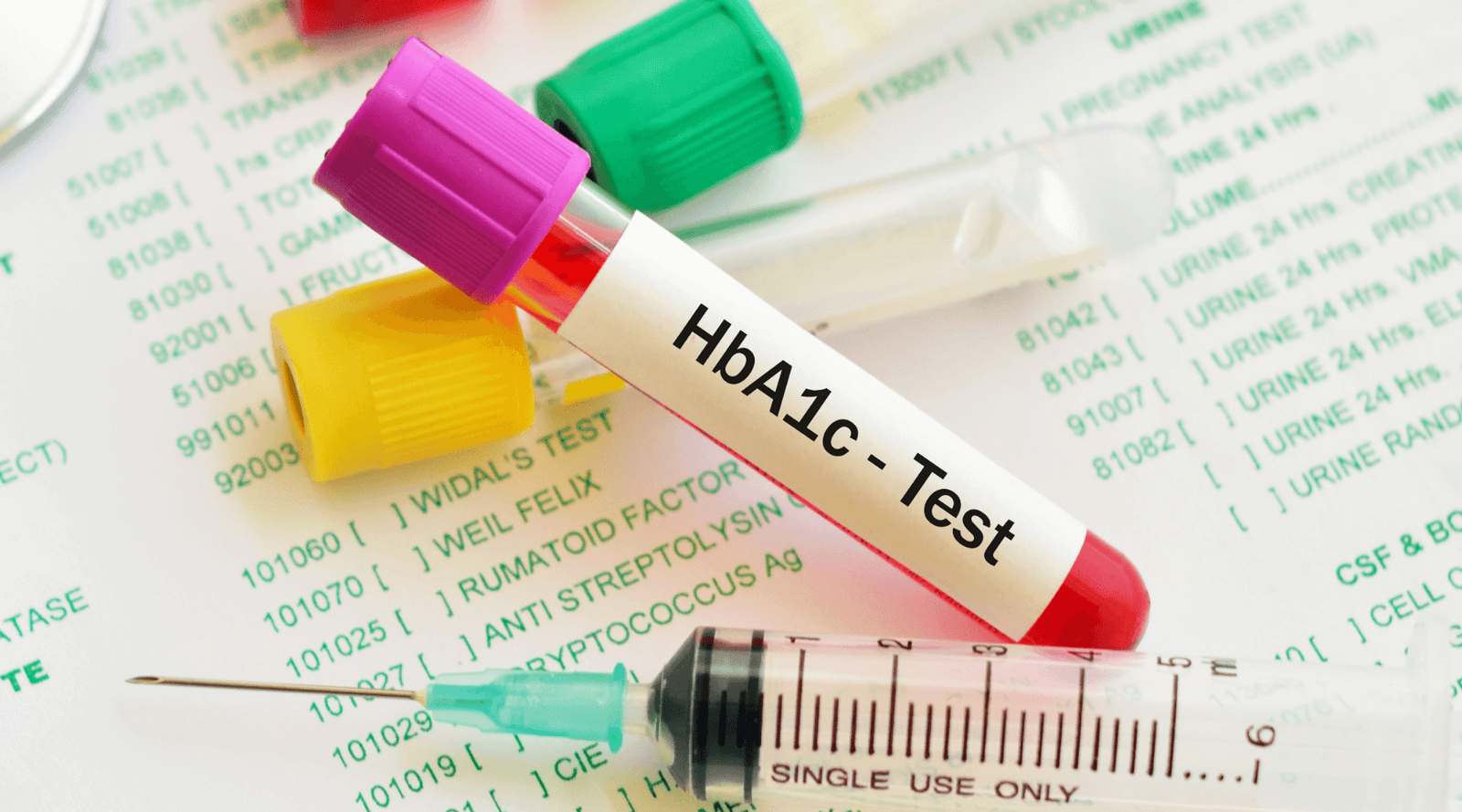
Prediabetes is diagnosed with one of three blood tests: the fasting plasma glucose test, the oral glucose tolerance test, or the hemoglobin A1C test. If you're overweight or have a family history of type 2 diabetes, regular testing to diagnose prediabetes is recommended. These tests can help confirm a prediabetes diagnosis, like a detective piecing together evidence to solve a case.
Remember, prediabetes is not a life sentence. It's a wake-up call. Approximately 50% of individuals with prediabetes can develop diabetes within the next 5 to 10 years, but this can be prevented. Identifying prediabetes early can help you take corrective measures and prevent the onset of type 2 diabetes. The table below shows the result ranges for each test; our guide to diabetes tests and diagnosis covers them in more detail.
| Test | Normal | Prediabetes | Diabetes |
|---|---|---|---|
| Fasting plasma glucose (after an 8-hour fast) | 99 mg/dL or lower | 100 to 125 mg/dL | 126 mg/dL or higher |
| Oral glucose tolerance test (2 hours after a glucose drink) | 139 mg/dL or lower | 140 to 199 mg/dL | 200 mg/dL or higher |
| Hemoglobin A1C (average over 2 to 3 months) | Below 5.7% | 5.7% to 6.4% | 6.5% or higher |
Fasting plasma glucose test
The fasting plasma glucose test measures your blood sugar after you have not eaten for at least 8 hours. After an 8-hour fast, a blood sample is taken to assess your blood sugar levels. Normal fasting blood sugar level is 99 mg/dL or lower, whereas a level of 100 to 125 mg/dL indicates impaired fasting glucose, also known as prediabetes. If the level is 126 mg/dL or higher, it's indicative of diabetes.
Oral glucose tolerance test
The oral glucose tolerance test measures how efficiently your body processes glucose after consuming a liquid containing glucose. In this test, a reading of 140 to 199 mg/dL after 2 hours indicates prediabetes, while a level of 200 mg/dL or higher is indicative of diabetes. This test is also used to check for gestational diabetes, a type of diabetes that occurs during pregnancy.
Hemoglobin A1C test
The hemoglobin A1C test shows your average blood sugar over the previous 2 to 3 months. It measures the percentage of hemoglobin in red blood cells that is coated in sugar. An A1C value of 5.7% to 6.4% is indicative of prediabetes, while a higher A1C reading suggests elevated blood sugar levels in the diabetes range. By understanding your A1C levels, you can gain control over your blood sugar and navigate your way to better health.
How do you reverse prediabetes with lifestyle changes?
Prediabetes can be reversed, and lifestyle changes are the most effective treatment: a nutrient-rich diet, regular physical activity, and achieving a healthy body weight. With the right lifestyle modifications, you can successfully navigate through the choppy waters of high blood glucose levels and reach the calm shores of good health. The National Diabetes Prevention Program is built around exactly these three levers.
Adopt a nutrient-rich diet
A nutrient-rich diet for prediabetes is built on colorful fruits, vegetables, and whole grains. These foods are packed with vitamins, minerals, complex carbohydrates, lean protein, and healthy fats, providing your body with the nutrients it needs to function optimally.
Eating a nutrient-rich diet can help regulate blood sugar levels, just like a thermostat regulates the temperature in your home. Consuming nutrient-dense foods like fruits, vegetables, and whole grains can help keep your blood sugar levels stable, reducing your risk of developing type 2 diabetes. Our guide to crafting a diabetic diet plan is a good starting point.
Engage in regular exercise
Regular exercise lowers blood sugar directly, because working muscles take up glucose without needing as much insulin. The benefits of regular exercise extend beyond just weight loss: it reduces the risk of developing type 2 diabetes, lowers blood pressure, improves cholesterol levels, and decreases stress.
The key to reaping these benefits lies in consistency and finding activities that you enjoy. Whether it's walking, cycling, or weight lifting with light weights, every step you take, every move you make, brings you closer to better health. See our guide to exercise for prediabetes for a practical plan.
Achieve a healthy weight
Losing just 5% to 7% of your body weight if you're overweight can make a huge difference in your risk of getting type 2 diabetes. Maintaining a healthy weight is about finding the right equilibrium that reduces insulin resistance and improves your body's ability to manage blood sugar levels. A healthy weight falls within the BMI range of 18.5 to 24.9.
Achieving a healthy weight isn't just about looking good, it's about feeling good from the inside. Maintaining a healthy weight is key to preventing type 2 diabetes. For realistic approaches, read our weight loss strategies for diabetes and prediabetes.
Are there medical treatments for prediabetes?
Yes. While lifestyle modifications form the cornerstone of managing prediabetes, medical interventions can provide additional support. These interventions can include medications like metformin, which can help reduce blood glucose levels. Your doctor decides whether medication is appropriate based on your test results, weight, age and other risk factors.
It's crucial to remember that these medical interventions aren't a substitute for healthy lifestyle changes. Regular monitoring of blood sugar levels ensures these medications are working as they should and helps identify any changes that may require further medical attention. Learn more about why checking your blood sugar matters.
When should you see a doctor about prediabetes symptoms?
See a doctor for a blood sugar test if you are overweight, have a family history of type 2 diabetes, or notice any prediabetes symptoms such as persistent fatigue, increased thirst or hunger, frequent urination, blurry vision, or darkened skin on your neck or armpits. Because prediabetes usually has no symptoms, the American Diabetes Association recommends routine screening for adults with risk factors, and the CDC estimates that the large majority of people with prediabetes do not know they have it. If you have already been told you have prediabetes, ask how often your A1C should be rechecked, usually at least once a year, and seek care sooner if symptoms worsen, you develop slow-healing sores, or vision changes persist.
Frequently asked questions about prediabetes symptoms
Does prediabetes have symptoms?
Often it does not. The CDC notes that prediabetes usually has no clear symptoms, which is why routine blood testing is so important for people with risk factors. When symptoms do occur, they are mild versions of diabetes symptoms: fatigue, increased thirst and hunger, frequent urination and blurry vision.
What are the symptoms of prediabetes in women?
Prediabetes symptoms in women are the same core signs as in men, including fatigue, increased appetite, blurry vision and darkened skin patches, but women may also notice frequent yeast infections or urinary tract infections, and women who had gestational diabetes carry a higher risk. Read more about the signs of diabetes in women.
What are the skin signs of prediabetes?
The main skin sign of prediabetes is acanthosis nigricans, which appears as dark, velvety patches on the neck, armpits, groin or other skin folds. It is a visible marker of insulin resistance.
Can prediabetes cause symptoms in the feet?
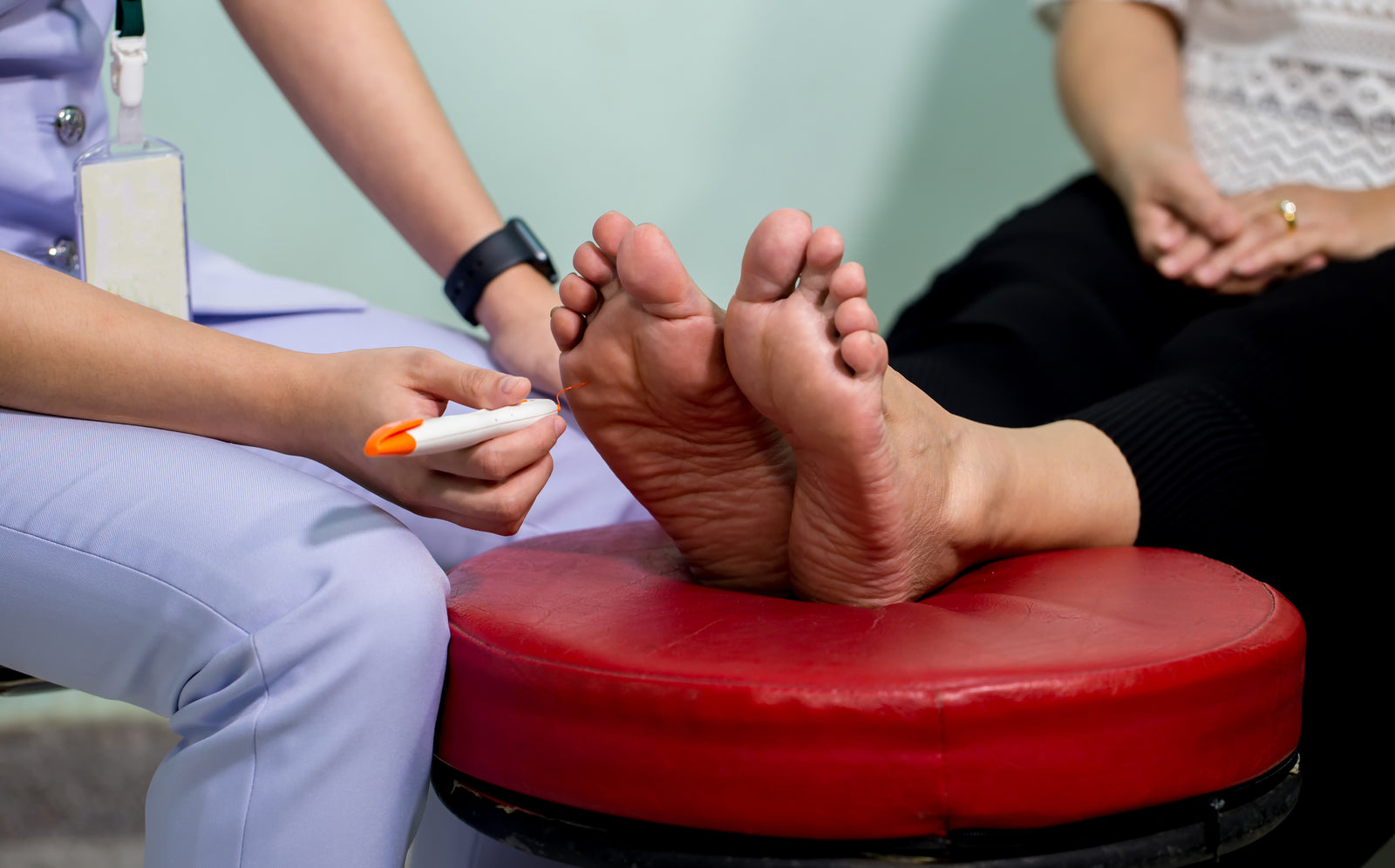
Prediabetes alone rarely causes foot symptoms, but tingling, numbness or burning in the feet can be an early sign that elevated blood sugar is beginning to affect the nerves. If you notice these, ask your doctor for a blood sugar test and a foot check, and read about numb feet and diabetes.
What is the fastest way to fix prediabetes?
The fastest way to improve prediabetes is to combine the three proven levers at once: eat healthy, minimally processed foods, become more active most days of the week, and lose excess weight. Stopping smoking and taking medications as prescribed also help. Making lifestyle changes is the key to reversing prediabetes.
Is prediabetes curable?
Prediabetes can be reversed through lifestyle changes, so it is not considered incurable. It is possible to prevent or delay prediabetes from turning into type 2 diabetes, and remission or reversal of prediabetes to non-diabetes is achievable if the proper treatment is started in time. Learn the difference between prediabetes, type 1 and type 2 diabetes.
References, studies and sources
- Centers for Disease Control and Prevention (CDC). Prediabetes - Your Chance to Prevent Type 2 Diabetes. https://www.cdc.gov/diabetes/basics/prediabetes.html
- American Diabetes Association. Diagnosis. https://diabetes.org/about-diabetes/diagnosis
- National Institute of Diabetes and Digestive and Kidney Diseases (NIDDK). Insulin Resistance and Prediabetes. https://www.niddk.nih.gov/health-information/diabetes/overview/what-is-diabetes/prediabetes-insulin-resistance
- Mayo Clinic. Diabetes: Symptoms and causes. https://www.mayoclinic.org/diseases-conditions/diabetes/symptoms-causes/syc-20371444
About the author: Dr. Matthew Capozzi, DPM, FACFAS, CWS, is a board-certified foot surgeon through the American Board of Foot and Ankle Surgery. He is a Diplomate of the American Academy of Wound Management and Fellow of the American College of Foot and Ankle Surgeons. He completed a three-year residency program in Foot and Ankle Reconstructive Surgery at St. Francis Hospital & Medical Center in Hartford, CT in 2010. Dr. Capozzi is a board-certified Wound Specialist® granted by the American Academy of Wound Management.
Healthcare disclaimer: Always consult your physician before beginning any program. This general information is not intended to diagnose any medical condition or to replace your healthcare professional. If you experience any pain or difficulty, stop and consult your healthcare provider. CircuFiber socks are a general wellness product intended to promote a temporary increase in local blood flow and circulation; they are not intended to diagnose, treat, cure, or prevent any disease. Individual results vary.