

Written by Dr. Matthew Capozzi, DPM, FACFAS, CWS (board-certified foot surgeon and wound specialist) · Medically reviewed by the CircuFiber Scientific Advisory Board · Updated: October 27, 2026
The most reliable way to know if you have diabetes is a blood test, but the earliest signs are increased thirst, frequent urination, fatigue, blurred vision, and unexplained weight loss. These symptoms appear because high blood glucose pulls fluid out of the body and starves cells of energy. Type 1 diabetes symptoms can develop over days or weeks, while type 2 diabetes often builds so slowly that many people have it for years without knowing. If you notice one or more of these signs, ask your doctor for an A1C or fasting glucose test rather than waiting for them to go away.

Key Takeaways
- The earliest signs of diabetes are increased thirst, frequent urination, fatigue, unexplained weight loss, blurred vision, and cuts that heal slowly.
- Over 34 million Americans have diabetes, but approximately 7.3 million of those remain undiagnosed, which is why recognizing symptoms early matters.
- Only a blood test can confirm diabetes. The common tests are the A1C, fasting plasma glucose, oral glucose tolerance test, and random plasma glucose.
- Some symptoms differ by sex. Women may notice recurrent yeast infections or urinary tract infections; men may notice erectile dysfunction or loss of muscle mass.
- Risk factors such as family history, excess weight, inactivity, and age over 45 mean you should be tested even without symptoms.
- Undiagnosed diabetes can quietly damage nerves, kidneys, and eyes, so early detection protects you from complications that are largely preventable.
What are the early signs of diabetes?
The early signs of diabetes are intense thirst, frequent urination, fatigue, and an unexplained decline in weight, often accompanied by blurred vision and slow-healing cuts. Recognizing these warning signs early is essential for avoiding any negative outcomes which might be caused by diabetes that has not been diagnosed or treated properly. It's worth noting that everyone with this condition won't experience the same symptoms and in cases such as type 1 diabetes they may develop quite suddenly. Awareness of these indicators will help you get on top of things quickly, especially if you have risk factors such as family history, obesity, or lack of physical activity. For a fuller list of type 2 warning signs, see our guide to the nine signs of type 2 diabetes.
Increased thirst and frequent urination
Increased thirst and frequent urination are the two most common first signs of diabetes, and they are caused by the same process. When blood glucose levels are too high, it can cause an abundance of sugar in the bloodstream. As a result, the kidneys will begin to work overtime as they attempt to remove this excess from your body, which creates frequent urination and increased thirst due to lost fluids. It's important not to overlook these early signs since ignoring them could lead to severe complications down the road such as damage affecting vital organs like the kidneys. Paying attention and getting medical help quickly is necessary for maintaining healthy glucose levels.
Fatigue
Fatigue in early diabetes happens because excess glucose stays in the blood instead of entering cells, where it would be used for energy. If you experience constant tiredness along with other signs like increased thirst and frequent urination, then consulting a medical professional is recommended for evaluation. Blood sugar levels that are above normal may be causing these symptoms, which leave one feeling drained all the time.
Unexplained weight loss
Unexplained weight loss can be caused by insulin resistance or an inadequate production of insulin. When your body is unable to make use of glucose because it lacks enough insulin, or has a problem accepting the hormone, stored fat and muscle will start to break down in order to create energy. This metabolic change often leads to unexpectedly quick weight loss that should not go unnoticed, as it may signify diabetes or another underlying health condition. Anyone experiencing unexplained weight loss should get medical attention promptly so that the cause can be identified and treated.
Blurred vision, slow-healing cuts, and tingling
Blurred vision, cuts or bruises that take longer to heal than usual, and numbness or tingling in the hands or feet are less obvious early signs that often get overlooked. High blood sugar changes the fluid balance in the lens of the eye, impairs the body's ability to repair tissue, and over time damages peripheral nerves. If any of these appear alongside thirst or fatigue, treat them as a reason to get tested. Our article on unusual symptoms of diabetes covers the less familiar signs in more detail.
Do diabetes symptoms differ in women and men?
Most diabetes symptoms are shared between women and men, but each sex has a few additional signs that should not go unnoticed. To help identify the condition and receive suitable treatment, it is useful to recognize these differences. Frequent urination coupled with excessive thirst remain the most common signs of diabetes across all demographics.
Symptoms of diabetes in women
Diabetes symptoms in women commonly include increased thirst, urinating more than usual, and unexplained weight loss, plus conditions that are more frequent when blood sugar is high: vaginal yeast infections, urinary tract infections (UTIs), and gestational diabetes during pregnancy. UTIs usually bring a need to urinate frequently, a burning sensation, pain near the bladder, and cloudy or bloody urine. Itching alongside a white discharge may point to a Candida yeast infection. It is significant for expecting mothers to pay attention to such signals and alert their healthcare providers promptly. Read more in our guide to the signs of diabetes in women.
Symptoms of diabetes in men
Men with diabetes experience the same core indicators, such as extreme thirst, urinating frequently, blurred vision, and unexplained weight loss, as well as some issues that are specific to men. These include erectile dysfunction, an inability to attain or preserve a firm erection, and, if diabetes remains unchecked, a loss of muscle mass causing weakness and reduced strength. Men who notice these signs should seek medical assistance, because early detection and proper management can help avoid complications and improve overall health.
How do doctors test for diabetes?
Doctors diagnose diabetes with blood tests that measure the glucose content in the bloodstream, because symptoms alone cannot confirm the condition. Blood tests are essential for proper diagnosis and management, and by monitoring these levels on a regular basis medical personnel can observe any irregularities in blood sugar that may need to be addressed. Risk factors and symptoms are also considered alongside the test data when making an official determination. For a step-by-step explanation, see understanding diabetes tests and diagnosis.
Types of blood tests for diabetes
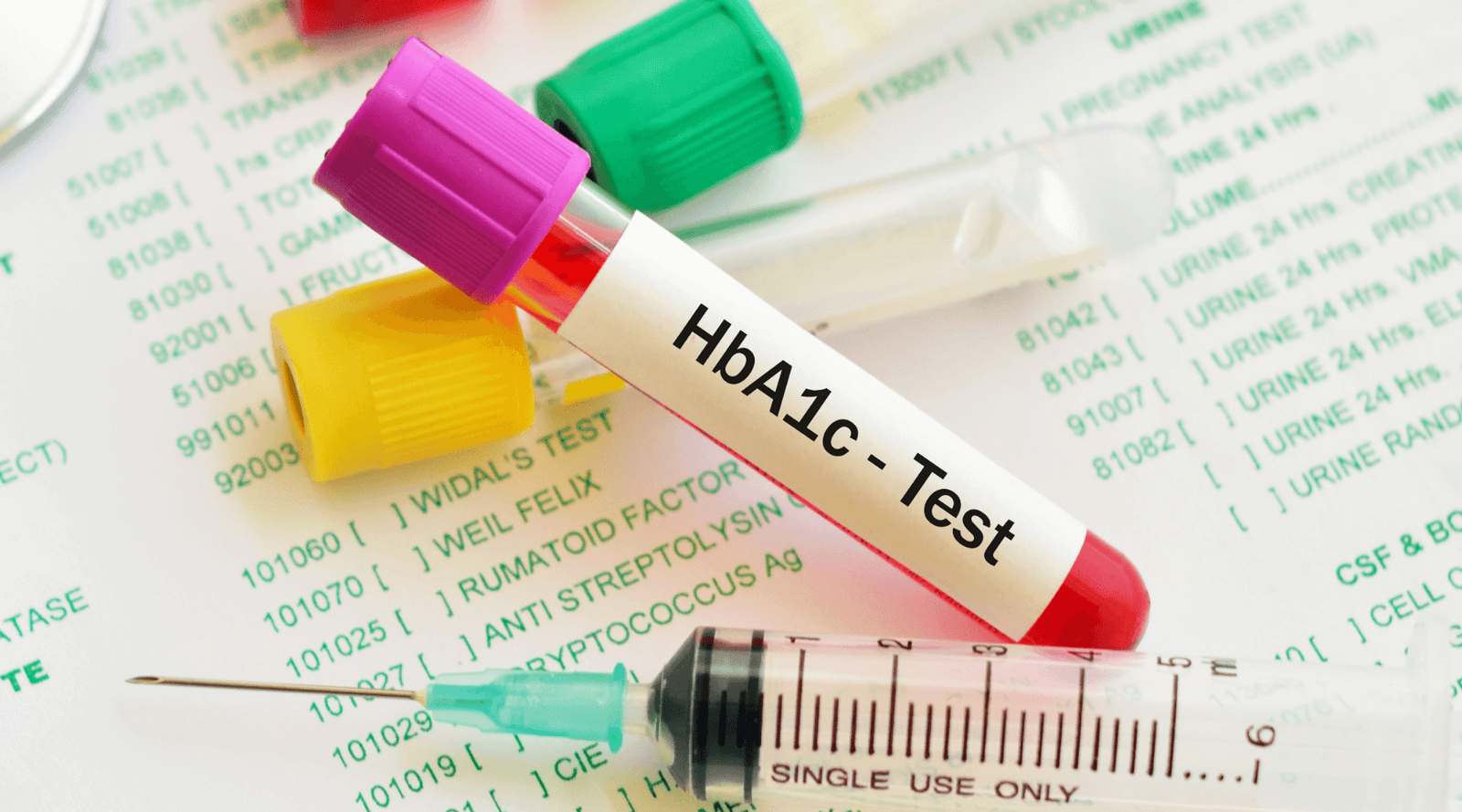
The four blood tests used to diagnose diabetes are the fasting plasma glucose test, the oral glucose tolerance test (OGTT), the A1C test, and the random plasma glucose test. Glycated hemoglobin (A1C) measurements reflect an individual's average blood sugar over a two-to-three-month period. Each of these procedures presents its own advantages and disadvantages depending on cost, convenience, and accuracy, which is why it is important to consult with your healthcare provider to decide which approach works best for you.
| Test | What it measures | Result that indicates diabetes |
|---|---|---|
| A1C | Average blood glucose over the past 2–3 months | 6.5% or higher |
| Fasting plasma glucose | Blood glucose after at least 8 hours without food | 126 mg/dL or higher (confirmed on two occasions) |
| Oral glucose tolerance test (OGTT) | Blood glucose 2 hours after drinking a measured sugar solution | 200 mg/dL or higher |
| Random plasma glucose | Blood glucose at any time of day | 200 mg/dL or higher, together with symptoms of high blood sugar |
Results below these thresholds but above the normal range indicate prediabetes. If that applies to you, read our guide to prediabetes symptoms, diagnosis, and treatment.
When should you get tested for diabetes?
You should get tested for diabetes if you have any of the symptoms above, or if you have risk factors even without symptoms. Those who have higher chances of developing the condition may want to take the American Diabetes Association's Know Your Risk tool to understand their risk level. If it is high or moderate, consulting with a doctor for proper testing using blood samples is the next step. Through early detection, individuals are given more opportunities to manage the condition and minimize potential difficulties.
What are the risk factors for developing diabetes?
The main risk factors for diabetes are a family history of the disease, being overweight or obese, leading an inactive lifestyle, and getting older. It is important to understand the common risk factors associated with diabetes, which can help individuals take preventive steps and make well-informed decisions about their health. Not everyone who has these factors will get diagnosed with the condition, and other elements can be at play too, but knowing the primary risk factors lets people stay aware and act appropriately.
Understanding your risk
Understanding your risk for diabetes can help postpone the onset of the disease and support you to make better lifestyle choices. Knowing whether there is a history of it in your family, or if you are carrying too much weight, allows you to be mindful about what steps need taking now, such as proper diet, physical activity, and monitoring blood sugar levels. Taking into account all potential risks puts power back with us and empowers us to take ownership over our own health decisions.
Reducing your risk
Reducing your risk of type 2 diabetes starts with maintaining a healthy weight, consuming balanced meals, and exercising regularly, and these steps can even delay its onset. In some cases a doctor may prescribe a medication such as metformin to lower the risk of type 2 diabetes in people with prediabetes; whether that is appropriate is a decision for you and your doctor. For a practical plan, see our tips on preventing type 2 diabetes.
What happens if diabetes goes undiagnosed?
Undiagnosed diabetes allows high blood sugar to damage nerves, kidneys, and eyes silently, sometimes for years, before the damage is noticed. Nerve damage, kidney failure, and sight complications are all possible outcomes if the condition is left undiagnosed or not treated correctly. It is essential to be aware that these consequences are largely preventable, and seeking help quickly when recognizing symptoms will reduce your risk for potential problems in the future.
Diabetic neuropathy
Diabetic neuropathy is nerve damage caused by chronically high blood sugar levels, and it can manifest in the form of pain, numbness, and tingling sensations, most often in the feet. Early symptoms such as weakness or tingling may progress into more severe issues if left untreated. Long-term exposure to elevated blood glucose also increases the likelihood of other conditions like diabetic ulcers, due to loss of sensation in the affected areas. It is important for those dealing with diabetes to closely manage their blood sugar and seek medical help whenever they experience any related early signs. Learn more about diabetic neuropathy types and management.
Kidney damage
Kidney damage, also known as chronic kidney disease (CKD), develops when excessive glucose levels injure the filtering units of the kidneys over time. Managing blood sugar and other factors such as high blood pressure can help reduce the risk. It is important for individuals with diabetes to detect this complication early so that proper management steps are taken to maintain their overall kidney health. If kidney damage progresses toward failure, it may require dialysis, and symptoms like nausea, weakness, and swelling can occur. Keeping a close eye on your glucose levels and your blood pressure is the best protection.
Vision problems
High levels of blood sugar can cause problems with eyesight, including blurred vision and even blindness due to diabetic retinopathy, a condition caused by damage to the blood vessels of the eye. It is essential for individuals living with diabetes to keep their blood sugar under control to prevent such complications. Regular eye check-ups are also needed so that any negative effects on sight can be identified early enough and treated appropriately. Read our overview of diabetic retinopathy causes and treatment.
What should you do if you are diagnosed with diabetes?
A diabetes diagnosis is managed through lifestyle changes, medication where needed, and regular tracking of blood glucose levels to keep them in an acceptable range. By carefully following such plans, people with diabetes can increase their wellbeing significantly and reduce the complications that come with it. Dealing with diabetes entails consistent tracking over time, as well as working closely with healthcare providers for updated information about diabetic care. Our guide for newly diagnosed diabetics walks through the first steps.
Lifestyle changes
A balanced diet with plenty of fruits and vegetables, lean proteins, whole grains, and healthy fats helps regulate blood sugar levels and lessens the risk of health problems associated with diabetes. Regular exercise should be part of the routine as well, in order to manage blood glucose levels efficiently while decreasing the risk of serious complications. Keeping a healthy body weight is also advantageous, since it helps maintain stable blood sugar and reduces the likelihood of chronic complications.
Medication and insulin therapy
Diabetes medications and insulin therapies are used to regulate blood glucose levels and prevent the problems that arise from elevated concentrations, including episodes of hypoglycemia. These options include oral drugs, insulin injections, or an insulin pump device. It is essential that the instructions given by a physician are followed closely, and that you consistently track your own blood sugar readings so adjustments can be made if necessary.
When should you see a doctor about possible diabetes symptoms?
See a doctor if you have persistent increased thirst, frequent urination, fatigue, blurred vision, unexplained weight loss, slow-healing sores, or numbness and tingling in your hands or feet, even if the symptoms seem mild. Also ask for a screening test if you have no symptoms but have risk factors such as a family history of diabetes, excess weight, an inactive lifestyle, a history of gestational diabetes, or age over 45. Seek emergency care right away for severe symptoms such as vomiting, rapid breathing, fruity-smelling breath, confusion, or extreme drowsiness, which can signal dangerously high blood sugar. Children can develop diabetes too; see our guide to childhood diabetes symptoms and early detection.
Frequently asked questions about how to know if you have diabetes
How can I check if I have diabetes?
The only way to confirm diabetes is a blood test ordered by your doctor. A fasting blood glucose level of 126 mg/dL or higher on two occasions, an A1C of 6.5% or higher, or a glucose tolerance or random glucose result of 200 mg/dL or higher indicates diabetes. Home glucose meters can hint at a problem but are not used for diagnosis.
What are the first signs of diabetes?
The first signs of diabetes are usually frequent urination and excessive thirst. Other common early warning indicators are blurred vision, unexplained weight loss, and cuts or bruises that take longer to heal than usual. Tiredness and feelings of numbness or tingling in the hands or feet can also suggest diabetes, and because some cases present subtly, medical advice should be sought if any of these appear.
What are 10 warning signs of diabetes?
Ten warning signs of diabetes are unexplained weight loss, excessive hunger, unusual thirst, frequent urination, tiredness, vision changes, tingling or numbness in the hands and feet, dry skin, recurrent yeast infections, and sores that heal slowly. Take these signals seriously and get tested after discussing them with your doctor; early detection together with treatment can prevent serious complications.
Are there gender-specific symptoms of diabetes?
Yes. Women may experience urinary tract infections, yeast infections, and gestational diabetes during pregnancy, whereas men may experience erectile dysfunction or a loss of muscle mass. The core symptoms of thirst, frequent urination, fatigue, and weight loss are the same in both.
Can you have diabetes without any symptoms?
Yes. Type 2 diabetes often develops gradually and can go unnoticed for years, which is why approximately 7.3 million Americans with diabetes remain undiagnosed. If you have risk factors such as family history, excess weight, or age over 45, ask for a screening blood test even if you feel well.
How can I reduce my risk of developing diabetes?
Small modifications to your lifestyle can have a tremendous effect. Exercise regularly, stay at a healthy weight, and adopt a nutritious diet; eating balanced meals combined with physical activity is key for lowering your chances of developing type 2 diabetes.
References, studies and sources
- American Diabetes Association. Diagnosis (A1C and blood glucose criteria). https://diabetes.org/diabetes/a1c/diagnosis
- American Diabetes Association. Standards of Medical Care in Diabetes—2015 Abridged for Primary Care Providers. Clinical Diabetes, 33(2), 97–111. https://doi.org/10.2337/diaclin.33.2.97
- Centers for Disease Control and Prevention. Diabetes. https://www.cdc.gov/diabetes/
- National Institute of Diabetes and Digestive and Kidney Diseases (NIDDK). Diabetes. https://www.niddk.nih.gov/health-information/diabetes
- Mayo Clinic. Diabetes: Symptoms and causes. https://www.mayoclinic.org/diseases-conditions/diabetes/symptoms-causes/syc-20371444
About the author: Dr. Matthew Capozzi, DPM, FACFAS, CWS, is a board-certified foot surgeon through the American Board of Foot and Ankle Surgery. He is a Diplomate of the American Academy of Wound Management and Fellow of the American College of Foot and Ankle Surgeons. He completed a three-year residency program in Foot and Ankle Reconstructive Surgery at St. Francis Hospital & Medical Center in Hartford, CT in 2010. Dr. Capozzi is a board-certified Wound Specialist® granted by the American Academy of Wound Management.
Healthcare disclaimer: Always consult your physician before beginning any program. This general information is not intended to diagnose any medical condition or to replace your healthcare professional. If you experience any pain or difficulty, stop and consult your healthcare provider. CircuFiber socks are a general wellness product intended to promote a temporary increase in local blood flow and circulation; they are not intended to diagnose, treat, cure, or prevent any disease. Individual results vary.