

Written by Dr. Matthew Capozzi, DPM, FACFAS, CWS (board-certified foot surgeon and wound specialist) · Medically reviewed by the CircuFiber Scientific Advisory Board · Updated: October 28, 2026
Doctors diagnose diabetes with blood sugar tests, then tell type 1 from type 2 diabetes with autoantibody and C-peptide tests. The A1C, fasting blood sugar, random blood sugar and oral glucose tolerance tests confirm that diabetes is present, but they use the same cut-offs for both types and cannot tell them apart. Autoantibodies point to type 1 diabetes, an autoimmune condition, while a C-peptide test shows how much insulin the pancreas still makes. Age, how quickly symptoms appeared and whether ketones are present also help your doctor decide which type you have.
Key Takeaways
- Type 1 diabetes is autoimmune: the body attacks the insulin-producing cells in the pancreas, so little or no insulin is made and insulin therapy is always required.
- Type 2 diabetes is driven by insulin resistance and inadequate insulin production, linked to genetics and lifestyle; it is far more common and often managed with lifestyle changes, oral medications and sometimes insulin.
- The same blood sugar tests confirm both types: an A1C of 6.5% or higher, a fasting blood sugar of 126 mg/dL or higher, or a random or two-hour OGTT reading of 200 mg/dL or higher.
- Autoantibody and C-peptide tests separate the types: diabetes autoantibodies and low C-peptide point to type 1 diabetes.
- Type 1 symptoms usually appear quickly; type 2 often develops gradually and may be found only at a routine check-up.
- Ketones in the urine with a fruity breath smell need immediate medical attention.
What is the difference between type 1 and type 2 diabetes?
The difference between type 1 and type 2 diabetes is the cause: type 1 diabetes is an autoimmune loss of insulin production, while type 2 diabetes is mainly insulin resistance with inadequate insulin production. Both conditions affect how the body regulates blood sugar but do so in significantly different ways.
Type 1 diabetes is an autoimmune condition where the body mistakenly attacks insulin-producing cells in the pancreas, leading to little or no insulin production. This means patients must rely on insulin injections or pumps to manage their blood sugar levels. Onset is usually in childhood or adolescence, but it can occur at any age.
In contrast, type 2 diabetes is more prevalent and typically develops due to a combination of genetics and lifestyle factors, including diet and physical activity. In this form, the body either resists the effects of insulin—a hormone that regulates the movement of sugar into cells—or doesn't produce enough insulin to maintain normal glucose levels. Management often involves lifestyle modifications, oral medications, and sometimes insulin. For a full introduction, see our beginner's guide to type 2 diabetes.
| Feature | Type 1 diabetes | Type 2 diabetes |
|---|---|---|
| Cause | Autoimmune attack on insulin-producing cells | Insulin resistance and inadequate insulin production |
| Typical onset | Childhood or adolescence, but can occur at any age | Usually adults over 45, increasingly seen in younger people |
| How symptoms appear | Often abrupt, over a short period | Gradual; may have no noticeable symptoms early on |
| A1C and blood sugar tests | Confirm diabetes; same cut-offs for both types | Confirm diabetes; same cut-offs for both types |
| Diabetes autoantibodies | Often present | Usually absent |
| C-peptide (insulin production) | Low or absent | Usually present; the problem is insulin resistance |
| Ketones at diagnosis | More likely | Less likely |
| Management | Always requires insulin therapy | Lifestyle changes, oral medications, and possibly insulin |
A family history of diabetes can increase the risk of either type, but lifestyle choices have a more significant impact on type 2. Effective management starts with the right diagnosis, emphasizing the need for thorough and accurate medical assessments. If you want to see how prediabetes fits in, read our comparison of prediabetes versus type 1 and type 2 diabetes.
What are the symptoms of type 1 diabetes?
The main symptoms of type 1 diabetes are unusual thirst, frequent urination, unexpected weight loss, fatigue, blurred vision and ketones in the urine. This condition, marked by the body's inability to produce sufficient insulin, often reveals itself through a constellation of symptoms that, when recognized early, can significantly affect the course of management and care.
Thirst and frequent urination
Unusual thirst and a frequent need to urinate stand out as red flags. These symptoms emerge as the body attempts to eliminate excess sugar through urine, which, in turn, triggers an increased need for fluids. It's not uncommon for these signs to sneak up gradually, sometimes making them easy to overlook until they become glaringly obvious.
Unexpected weight loss
Another hallmark of type 1 diabetes is unexpected weight loss. Even though consuming the same amount or even more food, individuals might find the pounds slipping away. This occurs because the body starts breaking down muscle and fat for energy, unable to use the glucose from food without insulin's help.
Fatigue and blurred vision
Fatigue is also a telltale symptom. Feeling more tired than usual isn't just about losing a bit of sleep; it's about your cells being starved of the glucose they need for energy. This lack of energy can appear alongside mood swings, further complicating the day-to-day for those unknowingly living with the condition.
Blurred vision might also signal the onset of type 1 diabetes. High blood sugar levels can lead to temporary changes in eye fluid, affecting the eye's ability to focus and altering vision.
Ketones in the urine
Ketones in the urine are a sign that the body isn't getting enough insulin. Ketones are produced when the body burns fat for energy. This symptom, often accompanied by a distinct fruity smell on the breath, can signal diabetic ketoacidosis (DKA), a condition that requires immediate medical attention.
Together, these symptoms form a picture that, while individually common, collectively suggest a deeper investigation into the possibility of type 1 diabetes. In children, parents often notice them first; see our guide to childhood diabetes symptoms and early detection.
What are the symptoms of type 2 diabetes?
The symptoms of type 2 diabetes are similar to type 1 but usually milder and slower to appear: increased thirst and urination, fatigue, blurred vision, slow healing, and tingling or numbness in the hands and feet. This form of diabetes develops over time, making awareness and early recognition imperative for effective management.
Initially, many people might not notice any symptoms at all or might mistake them for signs of other health issues or aging. But, as blood sugar levels remain elevated, the classic symptoms of diabetes begin to emerge. Here's a look at the primary indicators:
- Increased thirst and urination: One of the earliest and most noticeable signs is a significant increase in both thirst and the frequency of urination. This occurs as the body attempts to rid itself of excess sugar through urine.
- Unexplained weight loss: Even though eating more or without making changes to the diet, some individuals experience weight loss. This happens because, without the ability to use glucose for energy, the body starts burning fat and muscle instead.
- Fatigue: Feeling unusually tired or fatigued is common. Even after a good night's sleep, individuals may feel drained, as their cells don’t receive enough glucose.
- Blurred vision: High blood sugar levels can cause fluid to be pulled from the lenses of your eyes, affecting the ability to focus and resulting in blurred vision.
- Slow healing: Wounds and cuts that don't heal or take longer than usual to heal can be a red flag. High blood sugar levels can affect blood circulation and the body’s natural healing process.
- Tingling, pain, or numbness in hands and feet: Known as diabetic neuropathy, this symptom occurs due to nerve damage from prolonged high blood sugar levels.
- Darkened skin: Areas of darkened skin, especially around the neck and armpits, can be an early indicator.
For a closer look at each warning sign, read our list of nine signs of type 2 diabetes.
Which tests diagnose diabetes?
Four blood tests diagnose diabetes: the A1C test, the fasting blood sugar test, the random blood sugar test and the oral glucose tolerance test (OGTT). Each provides a piece of the puzzle, and they use the same thresholds for type 1 and type 2 diabetes. Our guide to diabetes tests and diagnosis covers how to prepare for each one.
Glycated hemoglobin (A1C) test
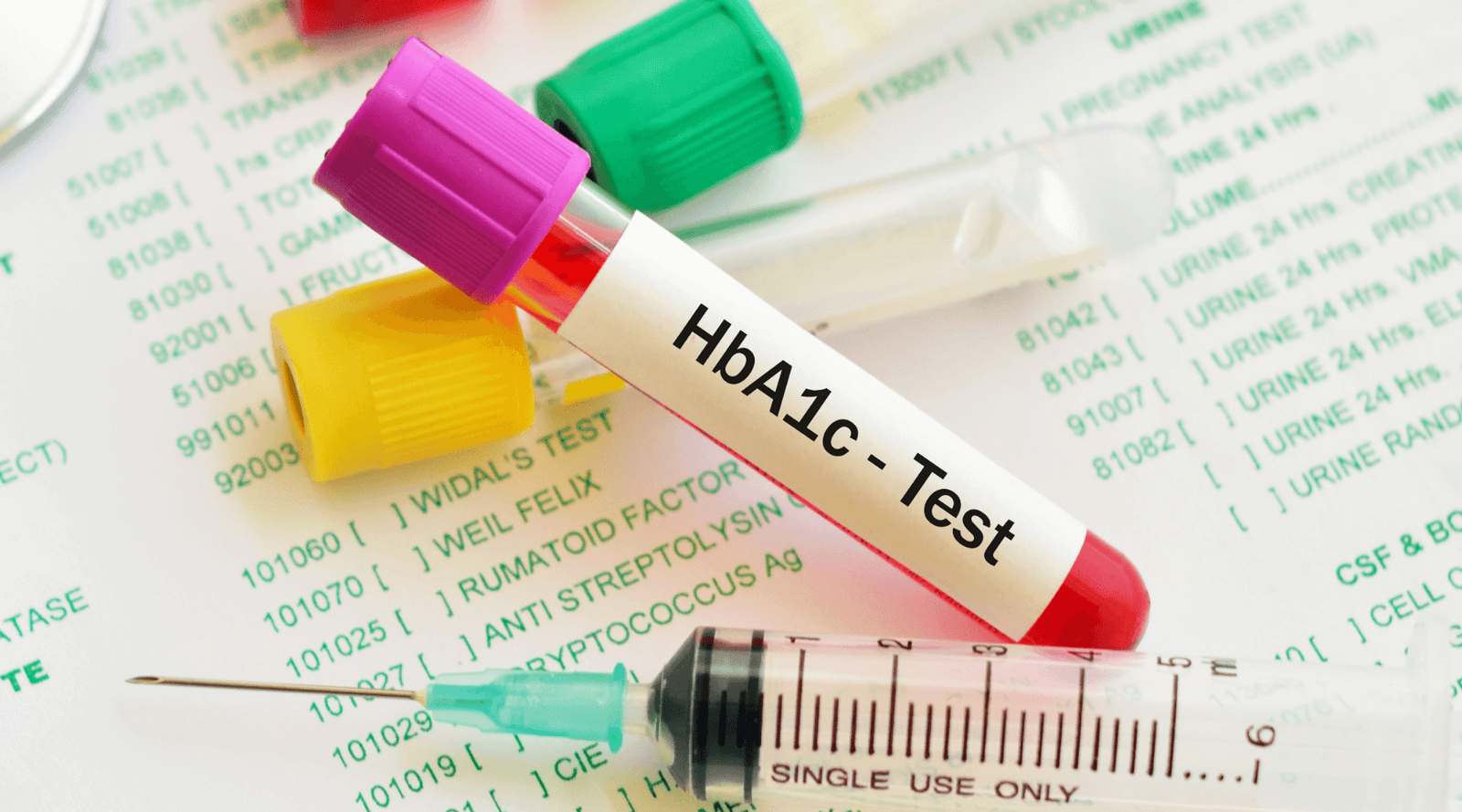
The glycated hemoglobin (A1C) test provides an average blood sugar level over the past two to three months and stands as a cornerstone in diabetes diagnosis. An A1C level of 6.5% or higher on two separate occasions indicates diabetes. While this test offers a snapshot of long-term glucose control, it does not differentiate between type 1 and type 2 diabetes.
Fasting blood sugar test
The fasting blood sugar test requires fasting overnight and measures sugar levels in the blood the following morning. A level of 126 mg/dL (7.0 mmol/L) or higher on two separate occasions is a sign that diabetes is present. Here’s a brief look at the numbers:
| Condition | Fasting Blood Sugar Level (mg/dL) |
|---|---|
| Normal | Less than 100 |
| Prediabetes | 100 to 125 |
| Diabetes | 126 or higher on two separate tests |
Random blood sugar test
The random blood sugar test requires no fasting and tests blood sugar at any given time. Regardless of when you last ate, a reading of 200 mg/dL (11.1 mmol/L) or more suggests diabetes, especially if accompanied by symptoms such as increased thirst, frequent urination, and unexplained weight loss.
Oral glucose tolerance test (OGTT)
The oral glucose tolerance test (OGTT) requires fasting overnight, followed by drinking a sugary liquid. Blood sugar levels are then tested periodically over the next two hours. A two-hour blood sugar level of 200 mg/dL (11.1 mmol/L) or higher indicates diabetes.
How do doctors tell type 1 from type 2 diabetes?
Doctors tell type 1 from type 2 diabetes mainly with autoantibody tests and a C-peptide test, interpreted alongside age, how quickly symptoms appeared and whether ketones are present. Their results help customize the treatment plan, because type 1 diabetes always requires insulin.
Autoantibody tests
Autoantibody tests look for autoantibodies that are often present in type 1 diabetes but not in type 2. Their presence points to the autoimmune process behind type 1 diabetes and can confirm the type of diabetes, aiding in customizing treatment plans.
C-peptide test
The C-peptide test assesses how much insulin the body is producing. Type 1 diabetes is characterized by low or no insulin production, as opposed to type 2 diabetes, which involves insulin resistance.
Onset, age and ketones
The pattern of symptoms adds context to the lab results. For type 1 diabetes, the onset is often abrupt, with symptoms manifesting over a short period, sometimes with ketones in the urine. Type 2 diabetes often develops gradually, and many individuals discover their condition during routine medical checkups or when complications arise, such as vision problems or slow-healing wounds. Understanding these distinctions is vital for effective diabetes management and preventing complications; if you have just received a diagnosis, our guide for the newly diagnosed is a good next step.
When should you see a doctor about diabetes symptoms?
See a doctor immediately if you or a loved one has excessive thirst, frequent urination, sudden weight loss despite normal or increased eating, fatigue, or a noticeable lack of energy, and seek urgent care if there are ketones in the urine or a fruity smell on the breath. Early detection and management can prevent complications and pave the way for a healthier future.
Type 2 diabetes might not present noticeable symptoms in the early stages. Increased thirst and urination, hunger, weight loss, fatigue, blurred vision, and areas of darkened skin, especially around the neck and armpits, should prompt a visit to your healthcare practitioner.
Regular check-ups are essential, especially if you have risk factors for diabetes. These include a family history of the disease, obesity, a sedentary lifestyle, and a diet high in processed foods and sugars. Also, certain ethnic groups are at higher risk, including African Americans, Hispanics, Native Americans, and Asian Americans. Early intervention is crucial in managing both types of diabetes effectively, helping to mitigate risks and maintain quality of life.
Frequently asked questions about type 1 vs type 2 diabetes
Can a blood test tell if you have type 1 or type 2 diabetes?
Yes, but not the standard blood sugar tests alone. The A1C, fasting, random and OGTT tests confirm diabetes, while autoantibody and C-peptide blood tests are what point to type 1 versus type 2. Your doctor reads these results together with your symptoms and history.
Are blood sugar levels different in type 1 vs type 2 diabetes?
The diagnostic thresholds are the same for both types: an A1C of 6.5% or higher, a fasting level of 126 mg/dL or higher, or a random or two-hour OGTT level of 200 mg/dL or higher. People with type 1 diabetes are more likely to have very high readings and ketones when they are first diagnosed, because their symptoms tend to develop quickly.
Is there an at-home test for type 1 diabetes?
A home glucose meter or urine ketone strip can show high blood sugar or ketones, but it cannot diagnose diabetes or tell which type you have. Autoantibody and C-peptide tests are ordered through a healthcare provider. If a home reading is high, contact your doctor; if ketones are present, seek care right away.
Can adults get type 1 diabetes?
Yes. Type 1 diabetes usually begins in childhood or adolescence, but it can occur at any age. Because type 2 diabetes is so much more common in adults, autoantibody testing can help when an adult's diagnosis is unclear.
Can type 1 diabetes turn into type 2?
No. Type 1 and type 2 diabetes have different causes, so one does not turn into the other, although a person with type 1 diabetes can also develop insulin resistance. Read more on whether type 1 diabetes can turn into type 2.
Which is worse, type 1 or type 2 diabetes?
Neither type is simply "worse." Both can lead to serious complications if blood sugar stays high, and both can be managed well with the right diagnosis and care plan. What matters most is getting the correct type diagnosed early so treatment fits the cause.
References, studies and sources
- Centers for Disease Control and Prevention (CDC). Diabetes Basics. https://www.cdc.gov/diabetes/basics/diabetes.html
- National Institute of Diabetes and Digestive and Kidney Diseases (NIDDK). Diabetes. https://www.niddk.nih.gov/health-information/diabetes
- American Diabetes Association. Diabetes. https://diabetes.org/
- Mayo Clinic. Diabetes: Symptoms and causes. https://www.mayoclinic.org/diseases-conditions/diabetes/symptoms-causes/syc-20371444
- MedlinePlus (U.S. National Library of Medicine). Diabetes. https://medlineplus.gov/diabetes.html
About the author: Dr. Matthew Capozzi, DPM, FACFAS, CWS, is a board-certified foot surgeon through the American Board of Foot and Ankle Surgery. He is a Diplomate of the American Academy of Wound Management and Fellow of the American College of Foot and Ankle Surgeons. He completed a three-year residency program in Foot and Ankle Reconstructive Surgery at St. Francis Hospital & Medical Center in Hartford, CT in 2010. Dr. Capozzi is a board-certified Wound Specialist® granted by the American Academy of Wound Management.
Healthcare disclaimer: Always consult your physician before beginning any program. This general information is not intended to diagnose any medical condition or to replace your healthcare professional. If you experience any pain or difficulty, stop and consult your healthcare provider. CircuFiber socks are a general wellness product intended to promote a temporary increase in local blood flow and circulation; they are not intended to diagnose, treat, cure, or prevent any disease. Individual results vary.