

Written by Dr. Matthew Capozzi, DPM, FACFAS, CWS (board-certified foot surgeon and wound specialist) · Medically reviewed by the CircuFiber Scientific Advisory Board · Updated: October 27, 2026
Diabetes eating disorders are eating disorders that develop in people living with type 1 or type 2 diabetes, and the best-known form is diabulimia, the deliberate misuse of insulin by people with type 1 diabetes for the purpose of weight loss. The daily focus on food, carbohydrates, weight and blood sugar that diabetes demands can, in vulnerable people, turn into anorexia, bulimia, binge-eating disorder or insulin misuse. These conditions are serious: insulin misuse can lead to kidney failure, severe dehydration and even death, and any eating disorder makes blood sugar erratic. They are also treatable, and the most important step is telling a healthcare professional who understands both diabetes and eating disorders.
If you are in crisis or thinking about harming yourself, call or text 988 (the 988 Suicide & Crisis Lifeline in the United States) or contact your local emergency services. In the United States, the National Alliance for Eating Disorders helpline is 1-866-662-1235.
Key Takeaways
- Diabulimia is the informal name for an eating disorder in which a person with type 1 diabetes deliberately misuses insulin to lose weight. It is not a formal diagnosis, but it is recognized by diabetes and eating-disorder organizations as a serious condition.
- People with diabetes are at higher risk of eating disorders than people without diabetes, because managing diabetes requires constant attention to food, blood sugar and weight.
- Warning signs include rapid weight changes not explained by insulin changes, frequent hypoglycemia or hyperglycemia, fearful or avoidant behavior around food, and persistent worry about body size and shape.
- The risks are high: insulin deprivation causes prolonged high blood sugar, which can lead to heart disease, kidney damage, nerve damage and eye problems, and in the short term to diabetic ketoacidosis.
- Treatment works best when both conditions are treated together by a team that includes a diabetes specialist, a dietitian and a therapist experienced in eating disorders.
- Help is available now. In the United States, call or text 988 in a crisis, or call the National Alliance for Eating Disorders helpline at 1-866-662-1235.
What is diabulimia?
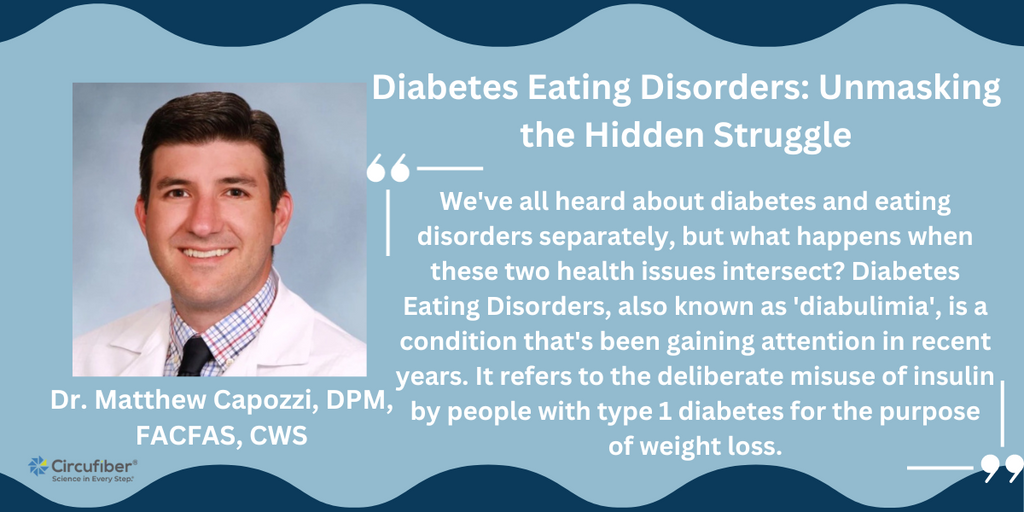
Diabulimia is an eating disorder in which a person with type 1 diabetes deliberately reduces or stops the insulin they need, in an effort to lose weight. We've all heard about diabetes and eating disorders separately, but what happens when these two health issues intersect? Diabetes eating disorders, also known as "diabulimia", is a condition that's been gaining attention in recent years. It refers to the deliberate misuse of insulin by people with type 1 diabetes for the purpose of weight loss.
It's a disturbing trend we're seeing more frequently among those battling diabetes. Misusing insulin isn't just harmful; it can lead to disastrous health consequences including kidney failure, severe dehydration, and even death. Yet, despite the serious risks associated with this behavior, many people aren't aware of its existence. Understanding diabulimia starts with getting a grasp on both diabetes and eating disorders independently before looking at how they intertwine.
The word "diabulimia" is a blend of "diabetes" and "bulimia", but the condition does not necessarily involve binge eating or purging. Some clinicians and organizations prefer the terms "type 1 diabetes with disordered eating" (T1DE) or "eating disorder with insulin omission".
What are diabetes eating disorders (DEDs)?
Diabetes eating disorders (DEDs) are eating disorders that affect people with type 1 or type 2 diabetes, and they stem from the complicated relationship between food, body image, and blood sugar control. They include diabulimia, but also anorexia nervosa, bulimia nervosa and binge-eating disorder occurring in someone who has diabetes.
People with diabetes need to manage their diet carefully to maintain healthy blood glucose levels. This focus on food can sometimes spiral out of control and lead to unhealthy behaviors such as skipping insulin doses to lose weight or overeating due to fear of hypoglycemia. If we dig deeper into why this happens, we'll notice that managing diabetes requires constant attention—monitoring blood sugar levels, calculating insulin dosages, resisting certain foods—and it's no surprise that this might trigger anxiety around food. The connection between diabetes and mental health runs in both directions, and eating disorders are one part of it.
Why are people with diabetes more likely to develop an eating disorder?
People with diabetes are more likely to develop an eating disorder because the condition itself requires the kind of careful food monitoring that, in vulnerable individuals, can quickly morph into obsessive behavior. According to research cited by the American Diabetes Association, people with diabetes are twice as likely to develop an eating disorder compared to those without diabetes. Studies also suggest that women with diabetes are nearly two and a half times more likely to develop an eating disorder than those without it.
| Conditions | Risk Level |
|---|---|
| People With Diabetes | Twice As Likely |
| People Without Diabetes | Normal Risk |
It's important not just to be aware of this risk but also understand why it exists. For some, stringent dietary restrictions associated with diabetes management can lead to unhealthy relationships with food, triggering disorders such as bulimia or binge-eating. In others, the desire for weight loss might prompt skipping insulin doses – a dangerous practice known as diabulimia. Weight gain after starting insulin, diabetes burnout, and the emotional side of living with diabetes can all add to the pressure.
Who is most at risk of diabulimia?
Diabulimia is reported most often in young women with type 1 diabetes, although it can affect men and people of any age who use insulin. For starters, let's look at a common eating disorder among diabetic patients known as "diabulimia". In this condition, people with type 1 diabetes intentionally reduce or stop taking their insulin in an effort to lose weight. According to the National Eating Disorders Association (NEDA), about 40% of females aged 15-30 with type 1 diabetes are estimated to have diabulimia.
| Age Group | Estimated percentage with Diabulimia |
|---|---|
| Female aged 15-30 | Approximately 40% |
Adolescents and young adults are a particular concern because type 1 diabetes is often diagnosed in childhood or the teen years, when body image pressures are at their peak. Parents and caregivers can read more about supporting children and teens with diabetes and about living with diabetes at a young age.
What are the warning signs of an eating disorder in someone with diabetes?
The warning signs of a diabetes eating disorder are a mix of blood sugar changes that cannot be explained by illness or routine, and behavior changes around food, weight and diabetes care. Here are some common warning signs of DEDs:
- Rapid changes in weight not linked to changes in insulin
- Frequent episodes of hypoglycemia or hyperglycemia
- Fearful or avoidant behavior related to food
- Unexplained weight loss or gain, constant worrying about body size and shape, or persistent dieting even when it's not medically recommended
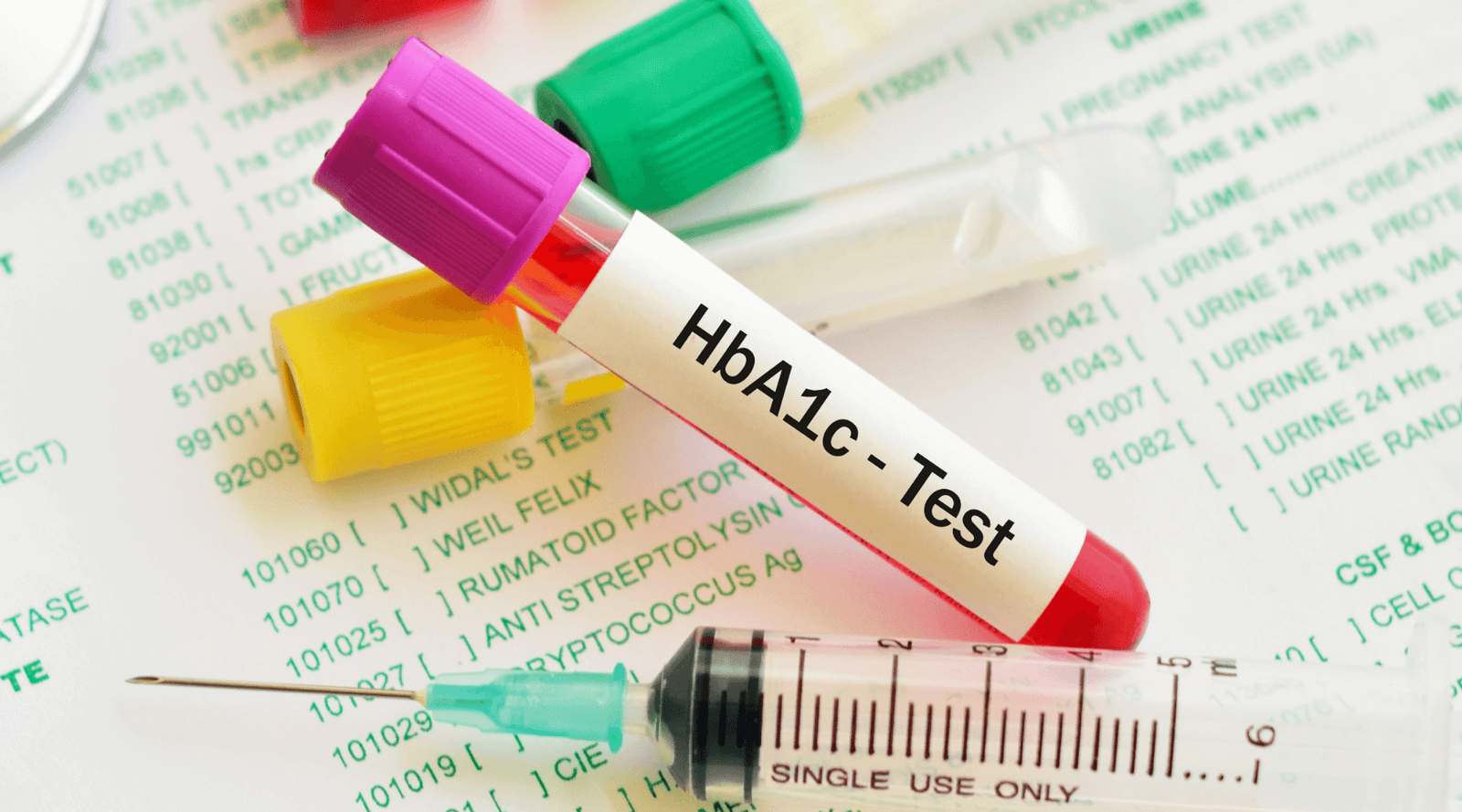
- Secrecy about blood sugar readings, missed diabetes appointments, or an A1C that is much higher than expected
- Repeated episodes of diabetic ketoacidosis (DKA) without a clear cause
| What you might notice | What it may indicate | What to do |
|---|---|---|
| Weight dropping while blood sugar runs high | Possible insulin restriction (diabulimia) | Talk to the diabetes care team as soon as possible |
| Frequent low blood sugar episodes | Possible food restriction, purging, or over-correcting | Review food and insulin patterns with a doctor or dietitian |
| Eating large amounts in secret, followed by guilt | Possible binge-eating disorder or bulimia | Ask for a referral to an eating-disorder specialist |
| Nausea, vomiting, stomach pain, fruity breath, confusion | Possible diabetic ketoacidosis | Seek emergency care immediately |
It's important that if you identify any of these signs in yourself or someone else with diabetes, you seek help immediately from a healthcare professional who is knowledgeable about both diabetes and eating disorders. By understanding more about DEDs and recognizing the signs early on, we can take steps towards prevention and effective treatment.
What are the health effects of eating disorders on people with diabetes?
Eating disorders can have a severe impact on the health and well-being of individuals with diabetes, because in order to manage their blood sugar levels effectively, diabetic patients must adhere to a carefully balanced diet, and every form of disordered eating disrupts that balance.
Effects of insulin misuse (diabulimia)
Insulin deprivation leads to high blood glucose levels (hyperglycemia), which over time can cause serious complications such as:
- Heart disease
- Kidney damage
- Nerve damage, including diabetic neuropathy
- Eye problems
In the short term, going without enough insulin can cause diabetic ketoacidosis, a medical emergency, as well as severe dehydration. These complications tend to appear earlier and progress faster in people who restrict insulin than in people with diabetes who do not.
Effects of anorexia, bulimia and binge eating
On the other hand, there's another side where diabetic patients may develop anorexia or bulimia nervosa. These disorders involve self-imposed starvation or binge-eating followed by purging respectively. Both conditions can lead to erratic blood sugar levels, making it harder for those living with diabetes. Binge eating raises blood sugar sharply, while restriction and purging raise the risk of hypoglycemia, especially in people taking insulin or other glucose-lowering medication.
How are diabetes and eating disorders treated together?
Diabetes and eating disorders are treated together by a team of healthcare professionals who specialize in both areas, because treating one condition while ignoring the other rarely works. Striking a balance between managing diabetes and overcoming an eating disorder can feel like walking a tightrope. However, armed with the right knowledge and strategies, we believe it's entirely possible to navigate this journey successfully. The key lies in implementing tailored strategies that address both conditions simultaneously.
Balanced meal plans from a specialist dietitian
Collaborate with dietitians who specialize in both diabetes management and eating disorders to create meal plans that keep blood sugar levels stable without promoting disordered eating patterns. A rigid diabetic diet plan can backfire in someone with an eating disorder, so flexibility and regular meals are usually prioritized over strict restriction.
Therapy and counseling
Seek out therapists or support groups experienced in dual diagnosis treatment. They provide vital emotional support during this challenging journey. Cognitive behavioral therapy and family-based therapy are commonly used for eating disorders, and treatment may also address depression or anxiety, which frequently occur alongside both diabetes and eating disorders.
Regular health checks and medical monitoring
Monitoring blood glucose levels regularly ensures you're staying on track health-wise while battling your eating disorder. Your diabetes care team may also check your A1C, kidney function, eyes and nerves more often during recovery, and in severe cases treatment may begin in a hospital or residential program so that insulin can be reintroduced safely under supervision.
Self-care that supports recovery
For those living with these conditions, self-care is vital. Regular blood glucose monitoring, healthy meal planning, and consistent, enjoyable physical activity all factor into managing diabetes while also addressing an eating disorder:
- Practice mindful eating.
- Create regular exercise schedules, agreed with your care team, since over-exercising can itself be part of an eating disorder.
- Monitor blood sugar levels consistently.
- Seek professional help if needed.
Remember: there's no shame in seeking help when you need it. You're not alone in this struggle; thousands of people are grappling with similar challenges every day – and many have come out triumphant on the other side.
Can people recover from a diabetes eating disorder?
Yes. Recovery from a diabetes eating disorder is possible, and it is more likely when both conditions are treated at the same time and when the person has support at home. We've come across inspiring stories of individuals who overcame diabetes eating disorders. These examples can provide hope and motivation to others in similar situations.
One such story is about a woman named Lisa. She's been living with type 1 diabetes for over 15 years. After being diagnosed, she developed an unhealthy relationship with food due to constant calorie counting and guilt associated with indulgences. However, Lisa took control of her life by seeking professional help from a nutritionist specializing in diabetes management. Through regular counseling sessions, dietary changes, and the support of her family, she managed to overcome her eating disorder while effectively managing her diabetes.
In another instance, we learned about John. He was diagnosed with type 2 diabetes later in life and struggled with binge eating disorder as a result of the stress associated with his new diagnosis. With the aid of therapy and medication along with lifestyle modifications, he's successfully maintaining stable blood sugar levels now.
The journey wasn't easy for these individuals – it demanded enormous strength, patience, resilience, and consistent effort:
- Professional help: Both Lisa and John sought help from professionals experienced in treating both diabetes and eating disorders.
- Support system: They leaned on their families for emotional backing during this challenging journey.
- Lifestyle changes: They incorporated healthy habits into their daily routines – monitoring blood glucose levels regularly, engaging in physical activities they enjoyed, sleeping well.
These stories illustrate that overcoming an eating disorder while managing diabetes is possible but requires comprehensive care addressing both conditions simultaneously. We're sharing these examples not just to inspire but also to emphasize the importance of recognizing symptoms early on; early intervention can make all the difference.
When should you see a doctor about diabetes and eating disorders?
See a doctor as soon as you notice any sign that food, weight or insulin is being used in a way that is not part of your agreed diabetes plan, whether in yourself or in someone you care for. Do not wait for weight to change dramatically or for a hospital admission; early intervention leads to better outcomes. Start with your diabetes care team or primary care doctor and ask for a referral to an eating-disorder specialist, or contact an eating-disorder helpline directly if you are not ready to talk to your doctor yet.
Seek emergency care immediately for signs of diabetic ketoacidosis (nausea, vomiting, stomach pain, fruity-smelling breath, rapid breathing, confusion or drowsiness), for fainting, or for severe low blood sugar that does not respond to treatment.
If you are in crisis, contact your doctor or local emergency services. In the United States, you can call or text 988 to reach the 988 Suicide & Crisis Lifeline at any time. For eating-disorder support, referrals and treatment options, the National Alliance for Eating Disorders runs a free, therapist-staffed helpline at 1-866-662-1235. Support groups both online and offline can also provide comfort during challenging times while offering practical advice from others who've walked similar paths.
Frequently asked questions about diabetes and eating disorders
What does diabulimia mean?
Diabulimia is an informal term for an eating disorder in which a person with type 1 diabetes deliberately misuses the insulin they need in order to lose weight. The name combines "diabetes" and "bulimia", although the condition does not have to involve bingeing or purging. It is not a formal diagnosis in the DSM-5, but it is recognized by diabetes and eating-disorder organizations as a serious and potentially life-threatening condition.
What are the symptoms of diabulimia?
Common symptoms include unexplained weight loss while blood sugar runs high, an A1C that is much higher than expected, frequent or repeated episodes of diabetic ketoacidosis, secrecy around insulin or blood sugar readings, preoccupation with weight and body shape, and fatigue, excessive thirst and frequent urination from persistent hyperglycemia. Any of these in someone with type 1 diabetes deserves a prompt conversation with their care team.
Can type 2 diabetes be affected by eating disorders too?
Yes. Binge-eating disorder is the eating disorder most often seen with type 2 diabetes, and the stress of a new diagnosis, weight-focused advice and restrictive dieting can all contribute. People with type 2 diabetes who use insulin or other glucose-lowering medication can also misuse those medications, so the same warning signs apply.
Can an eating disorder cause diabetes?
An eating disorder cannot cause type 1 diabetes, which is an autoimmune condition. Binge-eating disorder and the weight gain and insulin resistance that can accompany it are associated with a higher risk of type 2 diabetes, and recovery from binge eating is one part of lowering that risk. In people who already have diabetes, any eating disorder makes blood sugar harder to control.
How is diabulimia treated?
Diabulimia is treated by a team that includes a diabetes specialist, a dietitian and a mental-health professional experienced in eating disorders. Treatment usually combines medical monitoring and safe reintroduction of insulin, nutrition counseling that avoids rigid restriction, and therapy such as cognitive behavioral therapy or family-based therapy. Severe cases may need hospital or residential treatment at a center that specializes in both conditions.
Where can I find diabulimia support?
Start with your diabetes care team, who can refer you to specialists. In the United States, the National Alliance for Eating Disorders helpline (1-866-662-1235) offers free support, referrals and information on treatment options, and the 988 Suicide & Crisis Lifeline (call or text 988) is available 24 hours a day if you are in crisis. In the United Kingdom, Diabetes UK publishes guidance and support contacts for diabulimia.
References, studies and sources
- Diabetes UK. Diabulimia. https://www.diabetes.org.uk/guide-to-diabetes/life-with-diabetes/diabulimia
- American Diabetes Association. Diabetes and mental health resources. https://diabetes.org/
- National Institute of Diabetes and Digestive and Kidney Diseases (NIDDK). Diabetes health information. https://www.niddk.nih.gov/health-information/diabetes
- Mayo Clinic. Diabetes: symptoms and causes. https://www.mayoclinic.org/diseases-conditions/diabetes/symptoms-causes/syc-20371444
- Centers for Disease Control and Prevention (CDC). Diabetes. https://www.cdc.gov/diabetes/
About the author: Dr. Matthew Capozzi, DPM, FACFAS, CWS, is a board-certified foot surgeon through the American Board of Foot and Ankle Surgery. He is a Diplomate of the American Academy of Wound Management and Fellow of the American College of Foot and Ankle Surgeons. He completed a three-year residency program in Foot and Ankle Reconstructive Surgery at St. Francis Hospital & Medical Center in Hartford, CT in 2010. Dr. Capozzi is a board-certified Wound Specialist® granted by the American Academy of Wound Management.
Healthcare disclaimer: Always consult your physician before beginning any program. This general information is not intended to diagnose any medical condition or to replace your healthcare professional. If you experience any pain or difficulty, stop and consult your healthcare provider. CircuFiber socks are a general wellness product intended to promote a temporary increase in local blood flow and circulation; they are not intended to diagnose, treat, cure, or prevent any disease. Individual results vary.