

Written by Dr. Matthew Capozzi, DPM, FACFAS, CWS (board-certified foot surgeon and wound specialist) · Medically reviewed by the CircuFiber Scientific Advisory Board · Updated: October 27, 2026
Cold feet are a common and often early sign of diabetes-related circulation and nerve problems. Diabetes damages the small blood vessels and nerves in the feet, so less warm blood reaches the toes and the nerves that sense temperature stop working normally. Cold feet are rarely dangerous on their own, but they are a signal to check your blood sugar control and your feet, because the same damage that makes feet feel cold also raises the risk of ulcers and infection.

Key Takeaways
- Cold feet can be a sign of diabetes complications, most often peripheral artery disease (reduced blood flow) or diabetic peripheral neuropathy (nerve damage). They are not a diagnosis of diabetes by themselves.
- The three main causes are poor circulation from narrowed arteries, nerve damage that disrupts temperature sensing, and autonomic neuropathy that affects how blood flow to the skin is regulated.
- What helps: keeping blood sugar in your target range, daily movement, quitting smoking, non-binding socks that keep feet warm, and not restricting blood flow with tight footwear.
- What to avoid: hot water, heating pads and direct heat. With reduced sensation you can burn skin you cannot feel.
- See a doctor if cold feet come with numbness, tingling, burning pain, color changes, or a sore that is not healing.
Is cold feet a sign of diabetes?
Cold feet can be a sign of diabetes, but on their own they do not mean you have it. In people who already have diabetes, cold feet most often point to poor circulation or diabetic peripheral neuropathy, which is nerve damage caused by prolonged high blood sugar. In people without a diagnosis, persistently cold feet alongside other symptoms, such as increased thirst, frequent urination, fatigue, slow-healing cuts, or tingling and numbness in the feet, are a reason to ask your doctor for a blood sugar test.
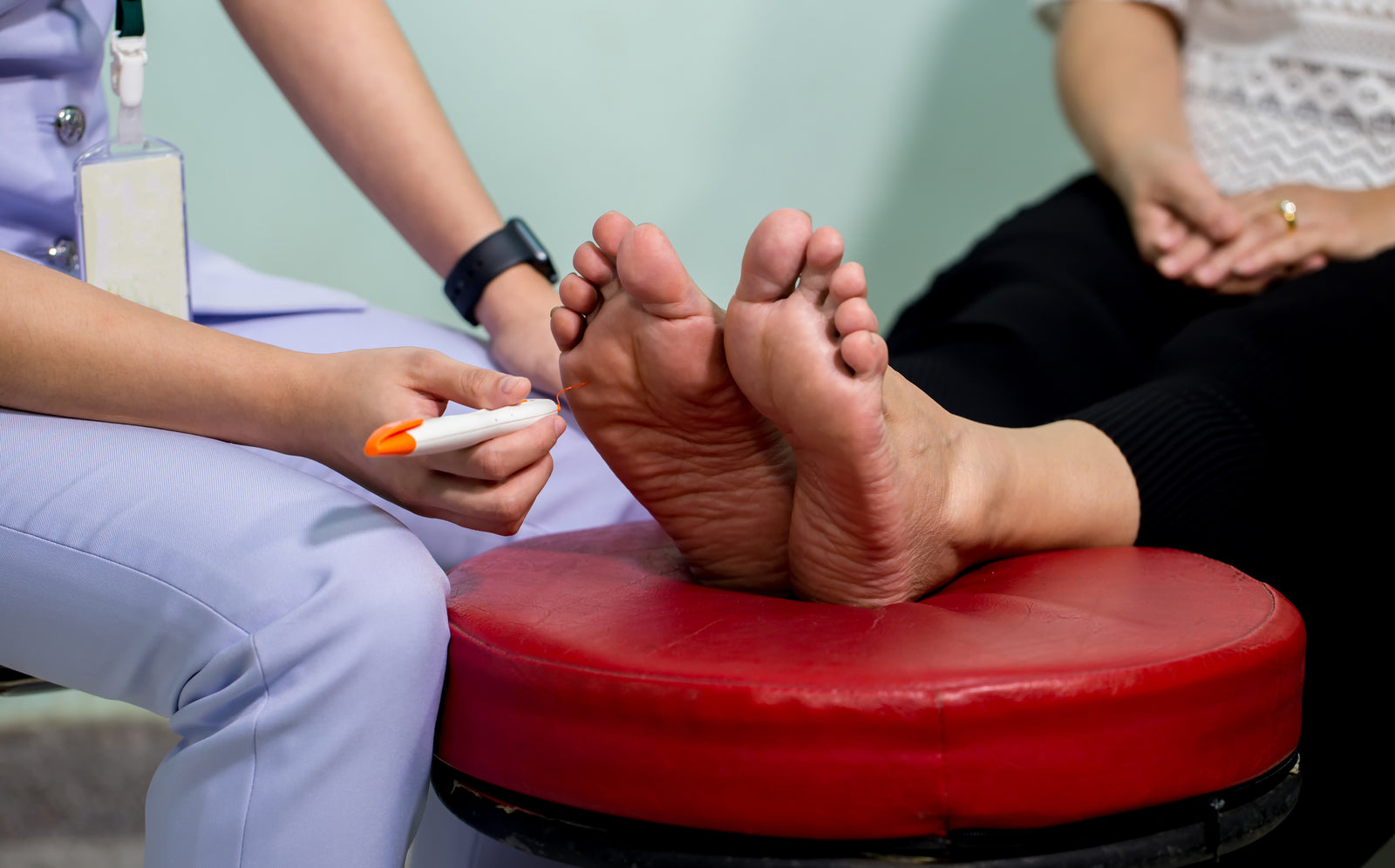
When we talk about cold feet in diabetics, we're usually referring to a condition known as diabetic peripheral neuropathy. This issue stems from nerve damage caused by high blood sugar levels. As a result, it can lead to a lack of sensation and temperature regulation in the extremities, including the feet. Given the seriousness of this condition, it's crucial to address it properly.
Why does diabetes cause cold feet?
Diabetes causes cold feet through two main pathways: reduced blood flow and nerve damage. High blood sugar over time damages the lining of blood vessels, leading to narrowing or hardening of the arteries that supply the legs and feet. At the same time, it damages the peripheral nerves that carry temperature and pain signals. Either problem can make feet feel icy cold or numb; many people with diabetes have both.
Poor circulation and peripheral artery disease (PAD)
One of the major contributors to cold feet in diabetics is poor blood circulation. Inadequate blood flow in the extremities can make it difficult for them to stay warm, especially in colder temperatures. Diabetes affects the blood vessels, leading to narrowing or hardening of the arteries, which results in reduced circulation. Peripheral arterial disease (PAD) causes the blood vessels in the legs to narrow, which reduces blood flow and leads to cold sensations in the feet.
Peripheral neuropathy (nerve damage)
Peripheral neuropathy is another common cause of cold feet in diabetics. High blood sugar levels can damage the nerves in your feet, affecting their ability to send signals regarding temperature and pain. Some warning signs of peripheral neuropathy may include:
- Numbness or tingling in the feet
- Burning, stabbing, or shooting pain
- Sensitivity to touch or temperature
Autonomic neuropathy
Yet another contributing factor is autonomic neuropathy, which affects the nerves controlling blood flow to the skin. This can lead to reduced ability to regulate skin temperature, causing coldness in the feet.
Inflammation
People with diabetes are more susceptible to inflammation, which can cause the blood vessels to constrict, further reducing blood flow.
What else causes cold feet in people with diabetes?
Not every case of cold feet in a person with diabetes is caused by diabetes. Lifestyle factors and other medical conditions can cause or worsen the symptom, and they are worth ruling out with your doctor.
For diabetics, certain lifestyle-related factors may exacerbate cold feet. These include:
- Smoking, which constricts blood vessels (see how smoking and diabetes are linked)
- Sedentary lifestyle, leading to decreased circulation
- Inappropriate footwear, restricting blood flow to the feet
Finally, other medical conditions can cause cold feet in diabetics. Examples of such conditions include:
- Raynaud's disease
- Hypothyroidism
- Anemia
Which symptoms mean cold feet are something more serious?
Cold feet become a medical concern when they appear with signs of nerve damage, poor blood flow, or a wound. The table below summarizes the symptoms that should prompt a call to your doctor or podiatrist.
| Symptom alongside cold feet | What it may indicate | What to do |
|---|---|---|
| Numbness, tingling, or burning pain | Diabetic peripheral neuropathy | Schedule a diabetic foot exam |
| Pale, bluish, or purple skin; thin or shiny skin; hair loss on feet | Reduced blood flow (peripheral artery disease) | See your doctor; ask about a circulation check |
| Cramping in the calves when walking | Peripheral artery disease | See your doctor promptly |
| A cut, blister, or sore that is not healing | Impaired healing; risk of ulcer or infection | Call your podiatrist the same day |
| One foot suddenly cold, pale, and painful | Possible blocked artery | Seek emergency care |
How do you treat cold feet caused by diabetes?
Treating cold feet from diabetes means addressing both the underlying causes and the symptoms themselves. By focusing on steps that improve circulation, alleviate discomfort, and maintain healthy blood sugar levels, you can effectively manage this common issue. Your healthcare provider may also recommend medical treatments such as medication for neuropathy or procedures to improve blood flow.
Keep blood sugar in your target range
Keeping blood sugar levels within a recommended range helps prevent complications such as nerve damage, which can contribute to cold feet. Working closely with your healthcare team to devise a personalized management plan can assist in achieving this. Consider:
- Monitoring blood glucose levels regularly and following your doctor's recommendations (why checking your blood sugar matters)
- Following a balanced and nutritious diet
- Taking prescribed medications as directed
Improve circulation with movement and positioning
One of the primary concerns is poor circulation, so it's crucial to take steps to improve blood flow in the feet. Some effective and noninvasive methods include:
- Regular exercise, which can help keep blood sugar levels in check and increase circulation throughout the body (six ways to improve circulation with diabetes)
- Wearing comfortable, well-fitting shoes that won't restrict blood flow
- Elevating the feet while sitting or lying down to promote better circulation
- Gently massaging your feet to help stimulate blood flow and alleviate those uncomfortable sensations
- Quitting smoking, since smoking constricts blood vessels and can exacerbate cold feet
Warm your feet safely
Pain relief and comfort are essential for people experiencing cold feet, but warming methods need extra care when sensation is reduced. Some helpful tips include:
- Using warm (never hot) water soaks, and checking the temperature with your elbow or a thermometer first
- Avoiding heating pads, hot water bottles, and electric blankets on the feet, because with neuropathy you may not feel a burn until the skin is damaged
- Wearing diabetic socks designed to provide warmth and support without constricting blood flow
Can diabetic socks help with cold feet?
Yes. Socks are the simplest daily tool for cold feet, and the right design matters for people with diabetes. A good diabetic sock keeps feet warm and dry, has a non-binding top that does not squeeze the calf or restrict blood flow, and is seamless or padded to protect skin that may have reduced sensation. For a detailed comparison, see our guide to diabetic socks vs. compression socks.
CircuFiber diabetic socks go a step further. The fabric is woven with Circulight® IR fibers containing thermoreactive mineral particles that absorb your own body heat and reflect it back into the foot as far-infrared energy, which promotes a temporary increase in local blood flow and circulation. In a randomized, double-blinded, placebo-controlled trial at Yale School of Medicine (ClinicalTrials.gov NCT04460612, published in Diabetes & Vascular Disease Research, 2023), the active textile significantly increased transcutaneous oxygen in the feet of people with diabetes compared with a placebo sock, with the difference visible at 40 minutes and significant at 60 minutes. CircuFiber socks also carry the APMA Seal of Acceptance.
What this means in practice: wear them for most of the day, keep your blood sugar managed, and treat the socks as one part of a foot-care routine, not a substitute for it.
How can you keep diabetic cold feet from getting worse?
Effective management of diabetes can help prevent the development of cold feet in the long run. To minimize the risk of further complications, it's crucial to practice good foot care habits. Ensure you:
- Inspect your feet daily for signs of blisters, cuts, temperature changes, and other potential issues
- Keep the feet clean and dry, paying special attention to the spaces between the toes
- Trim toenails regularly, cutting them straight across to avoid ingrown toenails
- Wear socks specifically designed for diabetics and keep feet warm and dry at all times
- Engage in regular physical activity to promote blood circulation
- Quit smoking
- Consult a healthcare professional or podiatrist for any concerns or issues you encounter
Incorporating these treatments and remedies into your routine can make a significant difference in managing diabetes cold feet. Don't hesitate to speak with your healthcare team for personalized advice and recommendations tailored to your specific needs.
When should you see a doctor about cold feet?
See a doctor or podiatrist if cold feet are new, persistent, or come with numbness, tingling, burning pain, skin color changes, calf cramping when you walk, or any sore that is not healing. A single foot that becomes suddenly cold, pale, and painful needs emergency care. People with diabetes should also have a comprehensive foot exam at least once a year, and more often if neuropathy or circulation problems have already been diagnosed. Not sure who to call? Read who treats diabetic neuropathy.
Frequently asked questions about diabetes and cold feet
Why are my feet cold at night with diabetes?
Feet often feel coldest at night because circulation naturally slows when you are still, and nerve symptoms from diabetic neuropathy tend to be more noticeable without daytime distractions. Loose, warm socks to bed and a short walk or foot movement before sleep can help. If night-time coldness comes with foot cramps at night or burning pain, mention it to your doctor.
Does diabetes cause cold hands and feet?
Yes. The same processes that cool the feet, reduced blood flow and peripheral nerve damage, can affect the hands, although the feet are usually affected first and more severely because they are farthest from the heart. Cold hands and feet together can also point to thyroid problems, anemia, or Raynaud's, so they are worth evaluating.
Are cold feet a symptom of type 2 diabetes specifically?
Cold feet occur in both type 1 and type 2 diabetes. They are more common in type 2 simply because it is far more common, and because it often goes undiagnosed for years, allowing nerve and blood vessel damage to begin before treatment starts.
Is it safe to use a heating pad on diabetic cold feet?
No. If you have any loss of sensation, you can burn your skin without feeling it. Use warm socks, warm (not hot) water that you have tested first, and movement to warm your feet instead.
Can cold feet from diabetes go away?
Cold feet caused by poor blood sugar control or inactivity can improve substantially once those are addressed. Coldness from established nerve damage is harder to reverse, but its progression can often be slowed, and comfort can be improved with the steps above. Read more on whether diabetic neuropathy can be reversed.
References, studies and sources
- Cleveland Clinic. Diabetic Feet. https://my.clevelandclinic.org/health/diseases/21510-diabetic-feet
- National Institute of Diabetes and Digestive and Kidney Diseases (NIDDK). Diabetes and Foot Problems. https://www.niddk.nih.gov/health-information/diabetes/overview/preventing-problems/foot-problems
- American Diabetes Association. Foot Complications. https://diabetes.org/about-diabetes/complications/foot-complications
- Yale School of Medicine. Randomized, double-blinded, placebo-controlled trial of an infrared textile on transcutaneous oxygen in people with diabetes. ClinicalTrials.gov NCT04460612. https://clinicaltrials.gov/study/NCT04460612
About the author: Dr. Matthew Capozzi, DPM, FACFAS, CWS, is a board-certified foot surgeon through the American Board of Foot and Ankle Surgery. He is a Diplomate of the American Academy of Wound Management and Fellow of the American College of Foot and Ankle Surgeons. He completed a three-year residency program in Foot and Ankle Reconstructive Surgery at St. Francis Hospital & Medical Center in Hartford, CT in 2010. Dr. Capozzi is a board-certified Wound Specialist® granted by the American Academy of Wound Management.
Healthcare disclaimer: Always consult your physician before beginning any program. This general information is not intended to diagnose any medical condition or to replace your healthcare professional. If you experience any pain or difficulty, stop and consult your healthcare provider. CircuFiber socks are a general wellness product intended to promote a temporary increase in local blood flow and circulation; they are not intended to diagnose, treat, cure, or prevent any disease. Individual results vary.